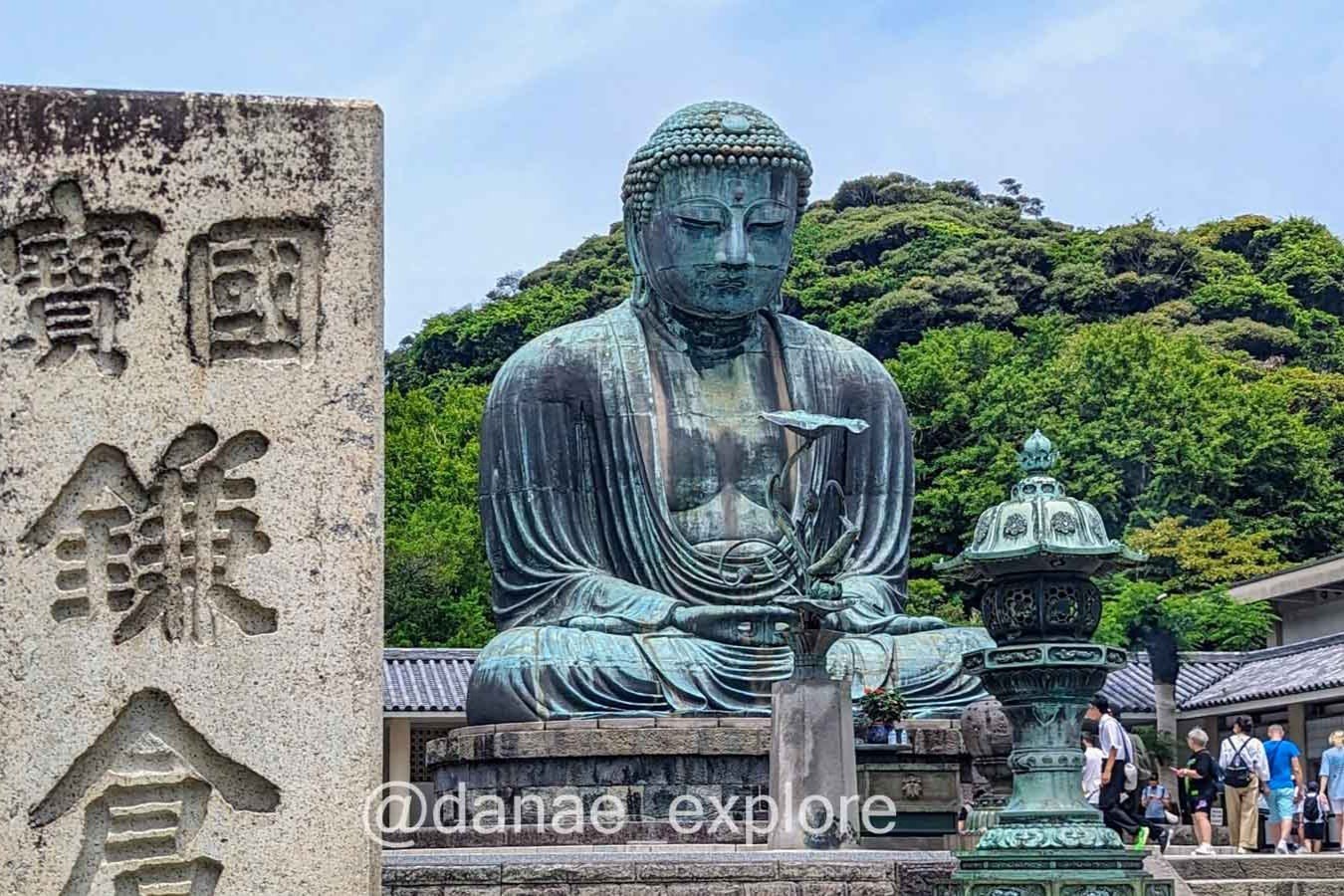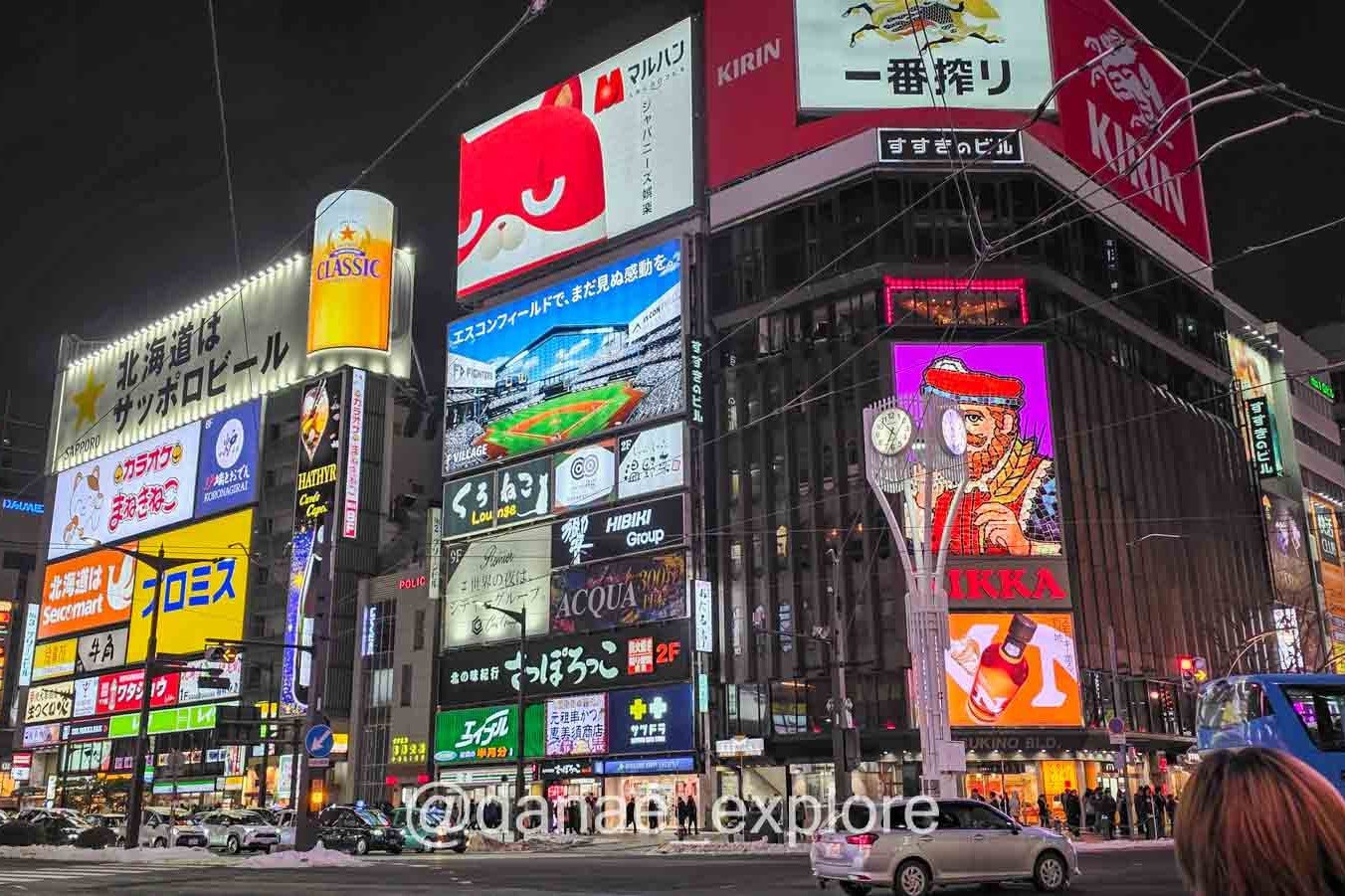
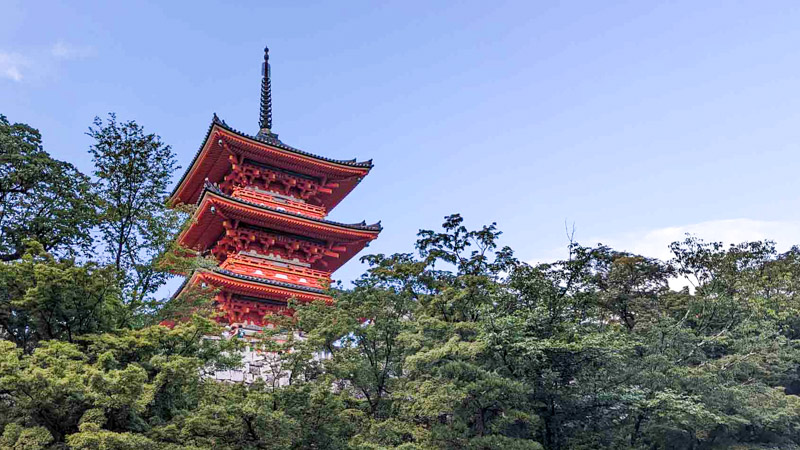
The best of Japan for your first trip to the Land of the Rising Sun. The perfect blend of tradition and modernity, bustling metropolises and peaceful villages, adventure and great food, so you can enjoy your trip to Japan as much as we did.
We had 4 weeks to travel around Japan, and I have to admit: it wasn’t easy.
Planning this trip wasn’t easy, finding the time and money to go to Japan wasn’t easy, and getting there wasn’t simple either.
But it was worth every penny and every minute of it (and, in the end, leaving wasn’t easy either).
First of all, follow me on Instagram @danae_explore – that’s where you can keep up with my trips, find lots of travel tips, and send me a DM anytime. I love chatting about travel!
It was worth all the challenges, the long hours on flights that felt endless, the 12-hour jet lag, and everything else. If all of this scares you (and yes, it scared me too!), just know that the moment you start experiencing Japan, you will, just like me, find yourself thinking: “I should have come here sooner!”
So come along, and I’ll help make your dream of visiting Japan come true!
We loved Japan so much that we were back before long, this time in winter: skiing in Sapporo, revisiting old favorites (hello again, Tokyo, Hiroshima and Kyoto), and adding some new ones like Kanazawa and Himeji. Check it all out here on the blog or over on Instagram.

.
Japan 4-week itinerary
I have to admit: I’m really proud of this itinerary. It turned out really well (I’m modest, I know 😉😂).
In 4 weeks, we managed to explore so much of this country: major cities with skyscrapers and neon lights, historic cities, laid-back urban areas, historic small towns, tiny towns nestled in the mountains, mountains, snow-capped peaks, waterfalls, views of Mount Fuji from afar (twice!), theme parks, lessons about war, and, most importantly, lessons about peace, delicious food, cold beer, and friendly people.
Here’s the itinerary we followed on our first trip to Japan:
Days 1️⃣ to 9️⃣ – Tokyo, with day trips to Nikko, Kamakura, and Kawaguchi-ko
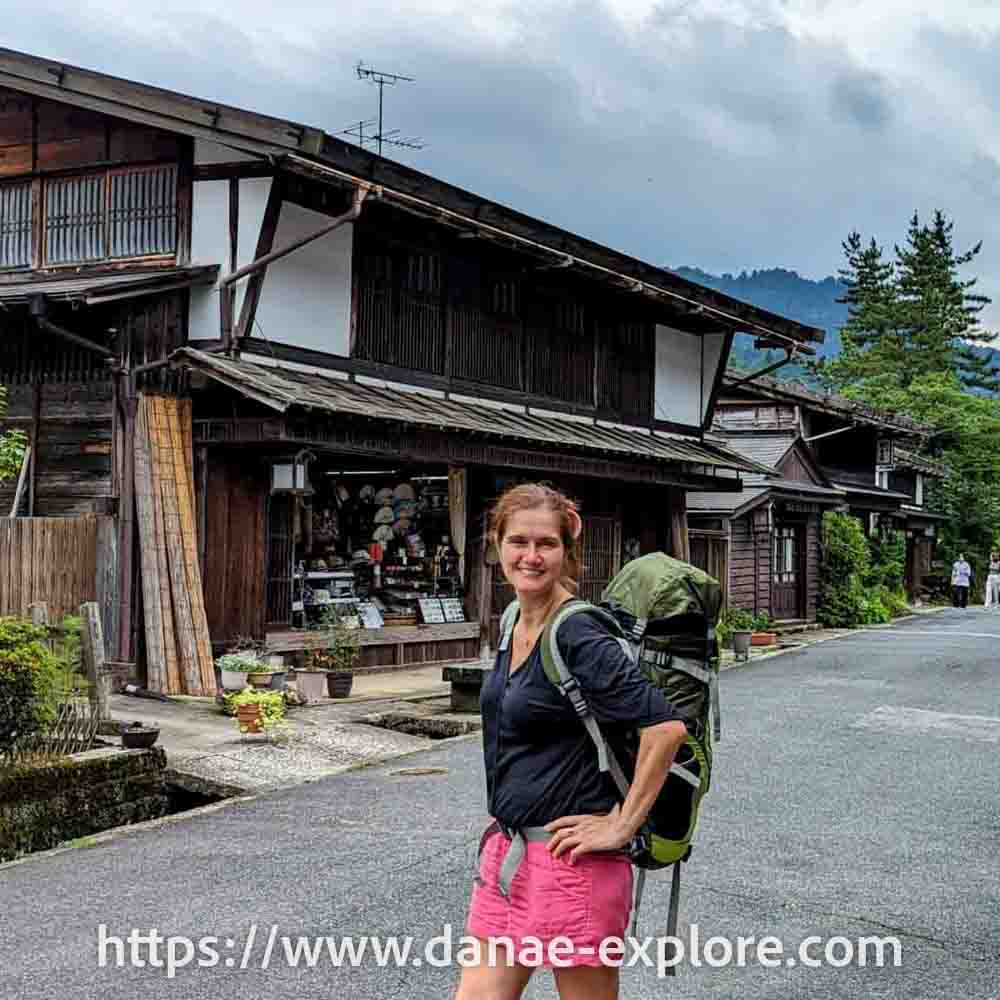
Day 🔟 – Travel to Magome (Japanese Alps)
Day 1️⃣1️⃣ – Nakasendo Road to Tsumago and train to Matsumoto
Day 1️⃣2️⃣ – Matsumoto and train to Shinano-Omachi
Day 1️⃣3️⃣ – Tateyama Kurobe Alpine Route, overnight in Toyama
Days 1️⃣4️⃣ to 1️⃣6️⃣ – Takayama, with a day trip to Shirakawa-go. On the last day, train to Hiroshima
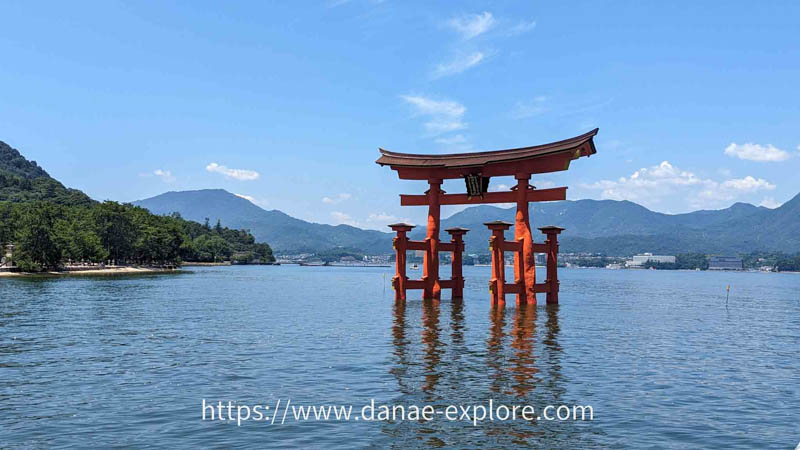
Days 1️⃣7️⃣ to 1️⃣9️⃣ – Hiroshima, with day trip to Miyajima; on the last day, train to Kyoto with a stop at Himeji
Days 2️⃣0️⃣ to 2️⃣5️⃣ – Kyoto, with day trips to Nara and Lake Biwa
Days 2️⃣6️⃣ and 2️⃣7️⃣ – Osaka
Our 4-week trip to Japan was in July, during the peak of summer. However, this itinerary works year-round, except for the Tateyama Kurobe Alpine Route, which only operates from April to November (check specific dates and details at https://www.alpen-route.com/en/).
.
.
.
How to get to Japan
When we traveled to Japan, we were living in São Paulo, Brazil, almost on the other side of the world. So getting there was a long journey. It involves long flights and connections. But believe me, it’s worth it!
Since there are no direct flights, the best option is usually to take two long-haul flights, with a connection in hubs like Europe, the Middle East, Africa, or North America.
We flew Emirates with a layover in Dubai: about 14 hours and 30 minutes from São Paulo to Dubai, and then another 10 hours from there to Tokyo Narita. In Dubai, we had a layover of about 4 hours, both outbound and on the way back.
We had flown with Emirates once before, when we went to Southeast Asia, and the experience was excellent both times. The aircraft used on these routes are A380s, which are modern and very comfortable, and Emirates’ service is among the best I’ve ever experienced.
On our second trip to Japan, the itinerary also included South Korea and the Philippines. We flew with Qatar, with a layover in Doha. Just as good, and just as long.
Here on the blog, I also share where to stay in Tokyo, the best day-trips from Tokyo, detailed guides for Kyoto and Hiroshima, plus tips and itineraries for skiing in Sapporo. If you’d like to go a bit beyond the classic route, I also recommend visiting the charming villages of Magome and Tsumago and the Tateyama-Kurobe Alpine Route. Before you go, make sure to read the 10 things you need to know about traveling to Japan. If Japan is on your list, you already know where to start 😉


.
How to get around in Japan
The best way to get around Japan is by train. Subways, regular trains, and the Shinkansen (bullet train) can take you pretty much everywhere you’ll need to go.
In major cities, especially in Tokyo, the subway network is extremely efficient: extensive, punctual, clean, and well-organized, and easy to use with Google Maps.
We bought the JR Pass, a rail pass that gives you unlimited rides on Japan Rail lines for a set period, including JR East, JR Central, JR West, JR Shikoku, JR Kyushu, and JR Hokkaido. There are 7, 14, and 21-day passes available, valid for the specified number of consecutive days from the activation date.
The JR Pass must be purchased outside Japan (before entering the country), and activation is done at the ticket counters of any JR station for the day you want it to start. For example, we were at Tokyo Central Station one day and, since we had some time to spare, stopped at a ticket counter and activated the JR Pass for 2 days later.
It’s highly recommended to reserve your seats in advance, and there is no extra cost for doing so. On all trains, there are specific cars for reserved seats and some for passengers without reservations. You can try your luck with those cars, but we decided not to risk it. Since reservations are free, we thought it was better to book them.
On the day we activated our JR Pass, we reserved the trains we would be taking in the first week; when we arrived in Takayama, we reserved all the trains for the rest of the trip. And believe it or not, some trains were already full! Reservations can be made at the kiosks, but we found it easier to go to the staffed ticket counters. You can only reserve trains after activating your pass.
For our 4-week itinerary, we bought the 21-day pass. The second time we were in Japan, we bought the 7-day pass and used it for the Tokyo – Kanazawa – Kyoto – Himeji – Hiroshima – Osaka route, and it was well worth it.
When planning your trip, it’s important to run the numbers and see whether a pass is worth it, and which one to buy (national or regional), or whether it makes more sense to buy individual tickets. There are a few online calculators you can use to compare the options. The ones that helped me most were this one (which only covers the national pass) and this one (which also includes regional passes): just enter your route, departure, arrival, and date, and the tool will calculate which pass is the best value. I also share more about the JR Pass in a highlight on my Instagram.
.

.
Where to stay in Japan
The cost per square meter in Japan is among the highest in the world, especially in major cities, so don’t be surprised: accommodation in Japan can be both expensive and compact.
We traveled as a family of four, with two children, aged 10 and 12. In many places, we had to book two double rooms, and the rooms are indeed quite compact.
.
Where to stay in Tokyo
On our first trip, we stayed in Ginza, the area that, after exploring the city, felt like the best place to stay. We chose Tokyu Stay Ginza and booked two rooms. They were small, but far from the smallest I came across while researching, and each room had its own washing machine, which is a dream if you’re traveling with carry-on only. Breakfast was generous, with both Japanese and Western options, and the location was excellent, in one of the best areas of Tokyo and close to several subway lines.
When we returned to Tokyo on our second trip, we stayed at another hotel from the same chain, but this time in Shimbashi: Tokyu Stay Shimbashi. The rooms were very similar, also with a washing machine, but this time our rate did not include breakfast. The location is ideal if you want easy access to public transportation. Shimbashi Station is one of the largest in the city, served by both trains and two subway lines. There are several restaurants and convenience stores nearby.
Tokyo has endless accommodation options, so check out my guide on where to stay in Tokyo, featuring the best areas and several options with great value for money.
Where to stay in Magome
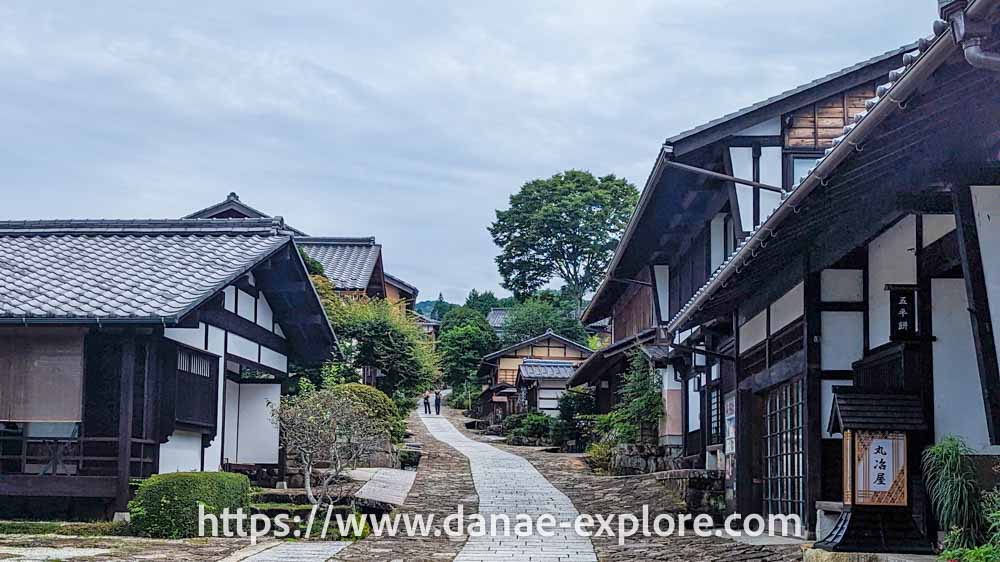
In Magome, a small historic town from the Edo period that is part of the Nakasendo Road, we stayed at Magome Chaya, a traditional Japanese-style ryokan with tatami floors and futon beds. It was the simplest stay of the trip, but also the most memorable. Since the town is very small and everything shuts down at night, we booked dinner and breakfast at the hotel, and it was perfect: a typical Japanese kaiseki meal, well-served and delicious.
.
.
Where to stay in Matsumoto
In Matsumoto, we stayed at Mitsubikiya, a traditional ryokan. Our room was somewhere between traditional Japanese and Western style, but we really liked it. The breakfast was excellent!
.
Where to stay in Shinano-Omachi
Our choice in Shinano Omachi was the Hotel Route Inn Shinano Omachi Ekimae, with a perfect location right in front of the station, small but adequate rooms, and a decent breakfast. We stayed there to do the Tateyama Kurobe Alpine Route, a journey through the Japanese Alps using different modes of transportation and passing by Mount Tate, one of Japan’s three sacred mountains. It is a very different kind of experience from what most people include in a trip to Japan and we really enjoyed it – check out our post about this experience!
.
Where to stay in Toyama
We spent the night in Toyama after finishing the Alpine Route, and chose Toyama Chitetsu Hotel. It is literally right above the train station, yet absolutely quiet. It was the largest double room we had, with two double beds, more like a typical American hotel room.
.

.
Where to stay in Takayama
Voted the best hotel of the trip, we got a free upgrade at The Machiya Hotel Takayama and we stayed in a townhouse in the city’s historic center, Hanare Village. It was a house with two bedrooms, one of them in traditional Japanese style, with tatami floors and futons, plus a kitchen, two bathrooms, and a private onsen with city views. Simply perfect!
.
Where to stay in Hiroshima
In Hiroshima, we stayed at FAV Hotel Hiroshima Heiwa Odori, in one of the most fun rooms of the trip. There were two double beds and two single beds on a mezzanine above the double beds, and the kids loved it. The room also had its own washing machine. Overall, it was one of our top three stays of the trip.
.
Where to stay in Kyoto
We visited Kyoto on both trips to Japan, and we chose the same hotel both times: ORI Kyoto. The location is excellent, within walking distance of the busiest part of the city. We booked the “party room,” a quadruple room with two bunk beds and a very smart use of space. I especially recommend it for those traveling with children, as I know how hard it is to find triple or quadruple rooms in Japan.
Where to stay in Osaka
The first time we were in Osaka, we chose to stay at one of the hotels managed by JR Group, the Hotel Granvia Osaka, in the Umeda neighborhood, as we wanted something close to the main station. In this case, the hotel was right above the station, with very easy access to the subway and the Shinkansen, the bullet train.
We liked the Umeda area so much that, on our second trip, we stayed there again, this time at the Ibis Osaka Umeda Hotel. Surprisingly, it was the largest double room we had on that trip, and very comfortable. Breakfast was generous, with a variety of Western and Japanese options. There’s an elevator that connects the hotel directly to the underground passageways of the train and subway station, which makes arriving and leaving with luggage much easier: you can come and go without ever stepping outside.
Check hotel availability and rates here:
.
We loved Japan so much that we were back before long, this time in winter: skiing in Sapporo, revisiting old favorites (hello again, Tokyo, Hiroshima and Kyoto), and adding some new ones like Kanazawa and Himeji. Check it all out here on the blog or over on Instagram.


.
.
Detailed map of our four-week Japan itinerary
Here’s our Google Maps with the detailed itinerary for our 4 weeks in Japan. Just click and save it to your Google account — when you start planning your own trip to Japan, you’ll already know where to begin.
On the map, you’ll find everything we did, where we stayed, and the places we visited. The map has different layers, each in a different color, for the regions we explored.
How to use this map: Click the menu tab in the upper left corner of the map to access different layers, including points of interest and routes. You can toggle layers on and off by checking the corresponding boxes. To see details about specific locations, click on the icons on the map.
To save this map to your Google Maps account, just click the star icon next to the map title. To access it later on your phone or computer, open Google Maps, tap the menu button, go to “Your Places”, select “Maps”, and you’ll find this map saved there.
Here are the websites I always use to plan my trips:
– 🛌 Accommodation: Booking
– ☀️ Tours & activities: Civitatis & Get Your Guide
– 📱 eSIM for mobile data: Airalo e-SIM – use promo code DANAE2375
– 🚗 Car rental: RentCars – use promo code DANAE, or DiscoverCars
.
Check out all our posts about traveling in JAPAN:
- 4-week Japan itinerary: the best of Japan for a first trip to the Land of the rising sun
- Where to stay in Tokyo
- Beyond Tokyo: 7 day-trips that live up to the hype
- The best of Kyoto: what to do in 4 or 5 days in Japan’s ancient capital
- Tateyama Kurobe Alpine Route – Your ultimate guide to the journey crossing the Japanese Alps
- Nakasendo Road, from Magome to Tsumago, the most beautiful villages of medieval Japan
- Hiroshima: 2-day itinerary, with a day trip to Miyajima
- Sapporo: complete itinerary and tips for skiing in Hokkaido
- 10 things you need to know before traveling to Japan
.
Here are our posts about other destinations in Asia:
- 3-week itinerary through Southeast Asia – the best of Thailand, Laos and Cambodia
- Siem Reap and Angkor Wat in Cambodia
- New Year’s Eve in Siem Reap, Cambodia
- What to do in 3 days in Luang Prabang
- The best of South Korea: 7-10 day itinerary
.
Did you like these tips? Then follow me on social media:
Instagram @danae_explore
Pinterest @danaeexplore
Comments or questions? Contact me on social media! I love to chat about travel 😉
And before you go, don’t forget to SAVE THIS PIN to your PINTEREST account, so you can find this post with the ultimate 4 week Japan itinerary whenever you need it!