
Let’s face it: choosing the best place to stay in the world’s largest city can feel overwhelming, even for seasoned travelers.
But you’re in the right place! Since you’ve made it here, I’ll help you figure it out. And after you’ve used these tips, tell me how your stay in Tokyo went, either in the comments below or on Instagram at @danae_explore!
We’ve been to Japan twice. The first time, we stayed for a month, and the second time we spent nineteen days there. Here’s our 4-week Japan itinerary with accommodation tips for every city we visited. The itinerary for the second trip you can find at this Instagram post.
First of all, follow me on Instagram @danae_explore – that’s where you can keep up with my trips, find lots of travel tips, and send me a DM anytime. I love chatting about travel!
In total, across both trips, we stayed 14 nights in Tokyo! That gave us plenty of time to explore the city and experience all the neighborhoods I recommend here in this post, and squeeze in the day trips I talk about here.
Putting together this selection was a real team effort. In addition to combing through blogs for reliable recommendations from people who had actually been to Tokyo, we also got help from a friend who has lived there for over ten years. We visited Japan House in São Paulo and spoke with the team at JNTO (Japan National Tourism Organization, an official Japanese government agency that offers free tourist information), and we also had the support of a travel agent we trust.
So grab a pen and paper, or get your browser bookmarks ready — there are lots of great suggestions ahead to help you choose where to stay in Tokyo!
This is just the beginning, there’s so much more to see in Japan! Here on the blog, in addition to our 4-week itinerary from the first trip, you’ll also find itineraries for Kyoto, Hiroshima, a guide to the best day-trips from Tokyo, a winter trip to Sapporo, and, for those who want to get off the beaten path, the charming villages of Magome and Tsumago and the Tateyama-Kurobe Alpine Route. And to help you get ready for the trip, check out these 10 things to know before traveling to Japan.
.
Getting to know Tokyo
Tokyo at a glance
Before deciding where to stay, especially in a city like Tokyo, I like to get a sense of how the city is laid out and where the main attractions I want to visit are located. I’d suggest doing the same: pull up Google Maps and take a look at the overall map of Tokyo, or check out our Japan travel map, which has everything we visited already marked and organized.
It’s also worth figuring out how to get around. In Tokyo, the answer is simple: subway and train. Skip cars, taxis, and ride-hailing apps like Uber or Grab. The fastest, most affordable, and most practical way to get around is by rail, plus walking for shorter distances.
When we were choosing where to stay, being close to a subway station was a top priority, ideally one where several lines meet.
Planning a trip to Japan? You’re in the right place! We’ve been twice, and I share itineraries and all our tips here on the blog and over on Instagram. To get started, here a few things you need to know before visiting Japan.
How to get around in Tokyo
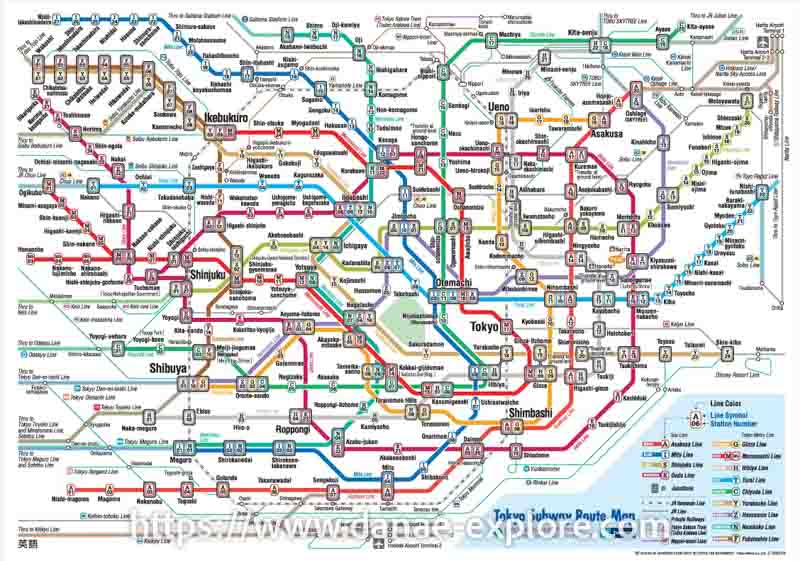
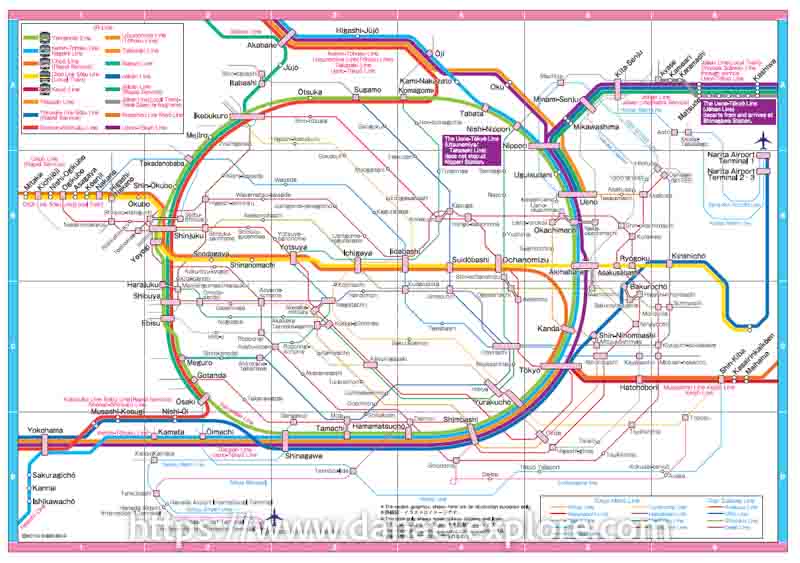
Take a look at the Tokyo subway map — it looks like a tangle of spaghetti, but with Google Maps, you’ll be riding the subway like a local in no time.
Google Maps plans your route step by step, showing exactly which stations, lines, and even which subway cars to take. It also shows how to transfer, where to exit, the fare, travel time, and even how crowded each train is likely to be. In short, Google Maps does all the work — all you have to do is follow along.
On top of the subway network, there are train lines operated by JR (Japan Railways) as well as a few private lines. But don’t worry — everything is integrated into Google Maps, so you’ll have no trouble getting where you need to go.
.
Stay near a subway station
A common tip is to stay near the Yamanote Line, JR’s circular line (highlighted in light green on the map above). While that can be convenient, it’s not a requirement — we stayed far from the Yamanote Line on our first Japan trip and had no trouble getting around.
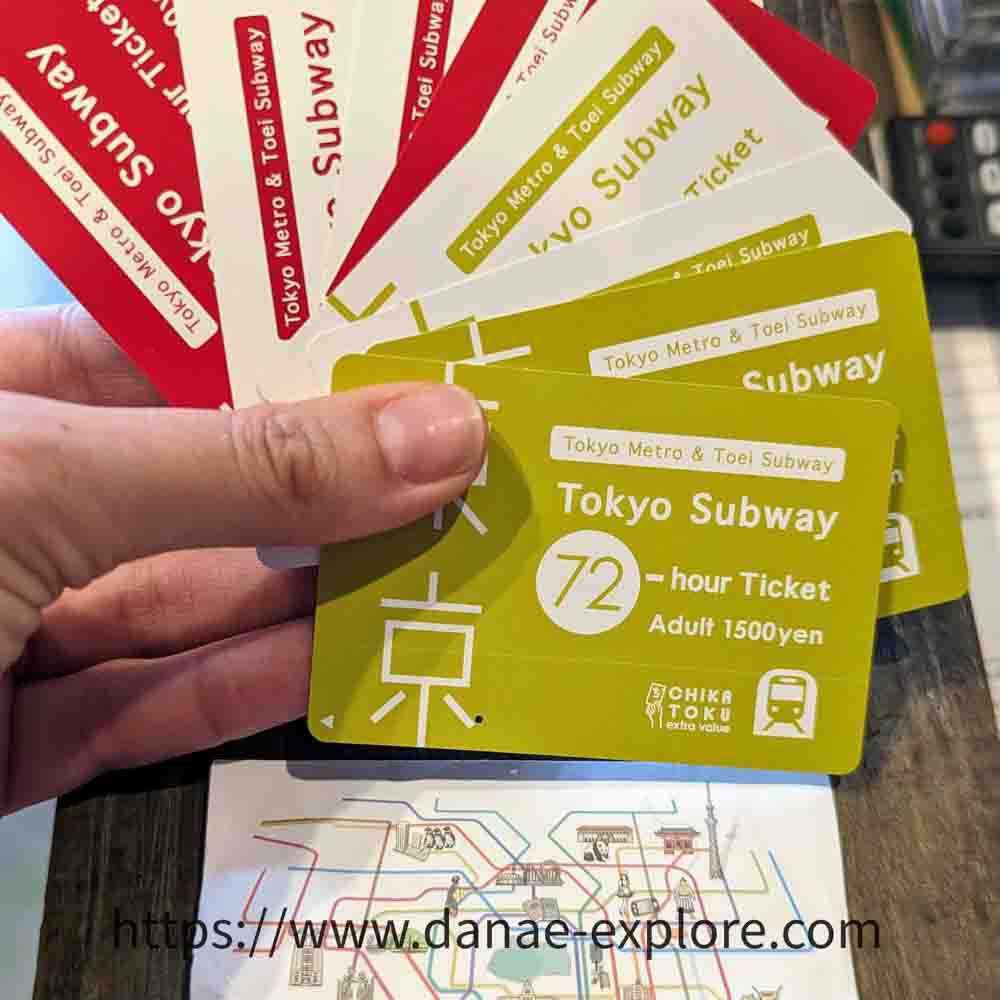
That said, if you stay close to a Tokyo Subway line, you can use unlimited subway passes. These are sold at ticket counters in major stations and are valid for 24, 48, or 72 hours (¥1,000, ¥1,500, and ¥2,000 per adult in 2026). They don’t include the Yamanote Line or other JR or private lines. On our first trip, we bought these passes and used them exclusively, getting everywhere we needed to go using only Tokyo Subway lines.
If you’ve already activated your JR Pass, it’s valid on JR lines in Tokyo, including the Yamanote Line. But note that it’s not worth activating the JR Pass just for Tokyo — better to save it for longer intercity trips.
Another option is to pay per trip. Tickets can be bought at station kiosks, and the price varies by distance. In practice, the easiest option is to get an IC Card. It’s a prepaid card you tap at the turnstiles when entering and exiting, and the fare is automatically deducted from your balance. On our second trip, we got ours in Sapporo — there it’s called Kitaca; in Tokyo, it’s called Suica. The name varies by region, but they all work nationwide and can be used on subways, trains, and buses, and are accepted at vending machines, convenience stores and many other businesses.
.
Where to stay in Tokyo
Important: accommodation in Japan is usually small — very small, especially in Tokyo — and given the limited space, prices can be high.
That said, with a bit of research and some flexibility, it’s still possible to find reasonably priced places to stay.
Here are the options I shortlisted when researching where to stay in Tokyo; most of them are mid-range hotels — comfortable options with good value for money.
If money were no object, my pick would be the Park Hyatt, the hotel featured in the film Lost in Translation. But since we’re regular travelers, with bills to pay and an ever-growing travel wish list, we have to be realistic and make our budget stretch across several nights.
.

.
Tokyo Station
The Tokyo Station area is filled with office buildings and business complexes, but it’s a great base for visitors. Why? You’ll be right next to the city’s largest train and subway hub (possibly the largest in the world!), which makes getting around very easy. And inside the station itself, there’s a huge variety of shops and restaurants — everything you might need, all in one place. My picks in the area are:
– Hotel Metropolitan Tokyo Marunouchi: direct access to Tokyo Station and a 5-minute walk from the Imperial Palace; rooms also seem slightly larger than the Tokyo average.
– Mitsui Garden Hotel Otemachi: just a short walk from Tokyo Station, and it looks like great value for money.
Check prices and availability here:

.
Ginza
Ginza is one of Tokyo’s most vibrant neighborhoods, home to international designer stores and excellent restaurants. But the area also has convenience stores on every corner and small family-run restaurants tucked away in alleys and basements, and it’s very well connected by several subway lines. This is where we stayed on both trips to Japan.
– Tokyu Stay Ginza: our choice for the nine nights we spent in Tokyo on our first trip. The location is hard to beat: right in front of a subway station that, via underground passages, connects to other stations, giving access to four subway lines. The rooms were a reasonable size by Japanese standards (read: tiny by Western standards), but the beds were comfortable, and everything was spotlessly clean and well maintained. A standout feature? Each room comes with its own washing machine — a dream for anyone traveling light.
– Tokyu Stay Shimbashi – Ginza Area: our pick for our second trip to Tokyo. Very close to Shimbashi Station, served by the Yamanote Line and several subway lines, with countless restaurants and convenience stores nearby — and I really do mean countless. Our rooms were even smaller than on our first trip, but the price was also more affordable. And a key factor in our decision: this branch also has that brilliant in-room washing machine.
– The b Ginza: another great option in the Ginza area, near Shimbashi Station (served by the Yamanote Line and two subway lines), with the added bonus of quad rooms — something that’s hard to find in Tokyo.
– Park Hotel Tokyo: with rooms that look like a fairly generous size for Tokyo and great city views, this is another solid option in the Ginza area, close to Shiodome and Shimbashi stations.
We enjoyed our first trip to Japan so much that we were back again shortly after. This time in winter: we saw snow in Sapporo, revisited old favorites (hello Hiroshima and Kyoto), and added some new ones like Kanazawa and Himeji. You can find it all here on the blog and over on Instagram.
.
Shibuya
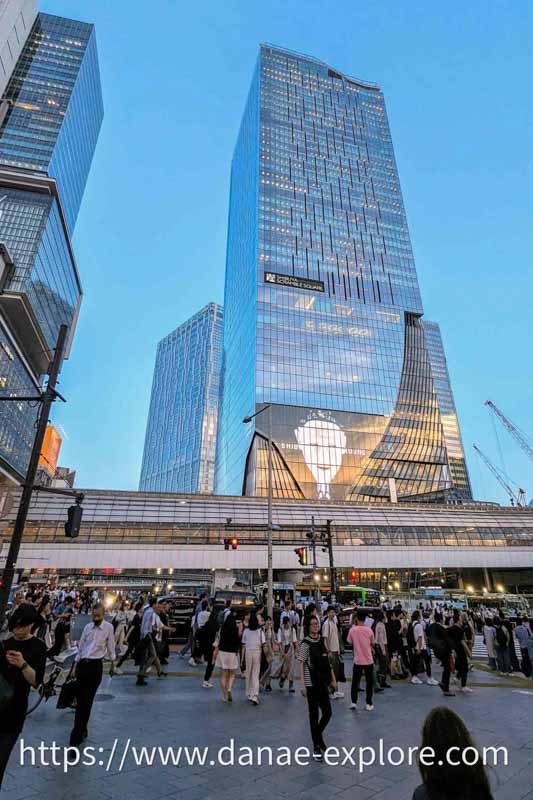
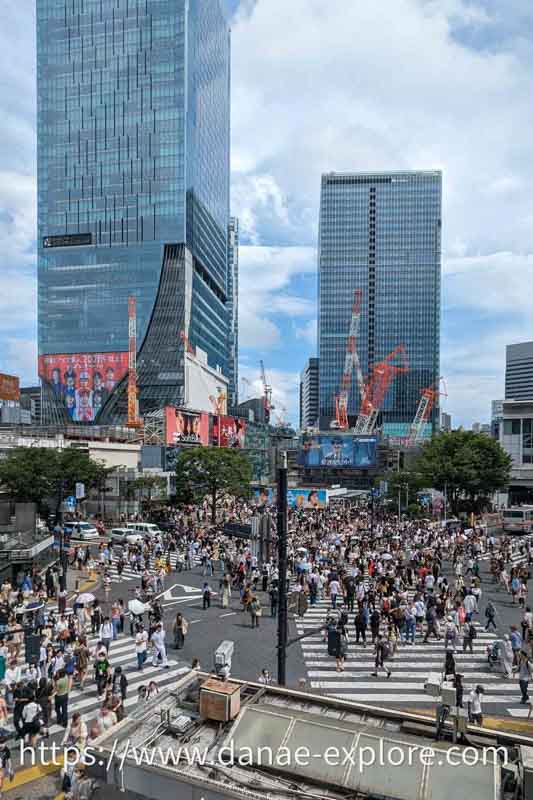
Shibuya is one of the liveliest neighborhoods in Tokyo, famous for its iconic crossing — reportedly the busiest intersection in the world. The area has a bit of everything: modern office buildings, narrow alleys lined with traditional izakayas, all kinds of shops, restaurants and bars, and one of the city’s largest train and subway stations.
It would have been our first choice, but at the time we felt the hotel we chose in Ginza offered better value than the options in Shibuya. The same happened on our second trip, when Shimbashi came out ahead. That may just have been the timing, so it’s always worth doing your own research.
– JR-East Hotel Mets Shibuya: about 800 meters from the famous Shibuya crossing and very close to the station of the same name, this is one of the best value-for-money options in the area.
– All Day Place Shibuya: compact rooms at a reasonable price, making it another solid option in the area.

.
Shinjuku
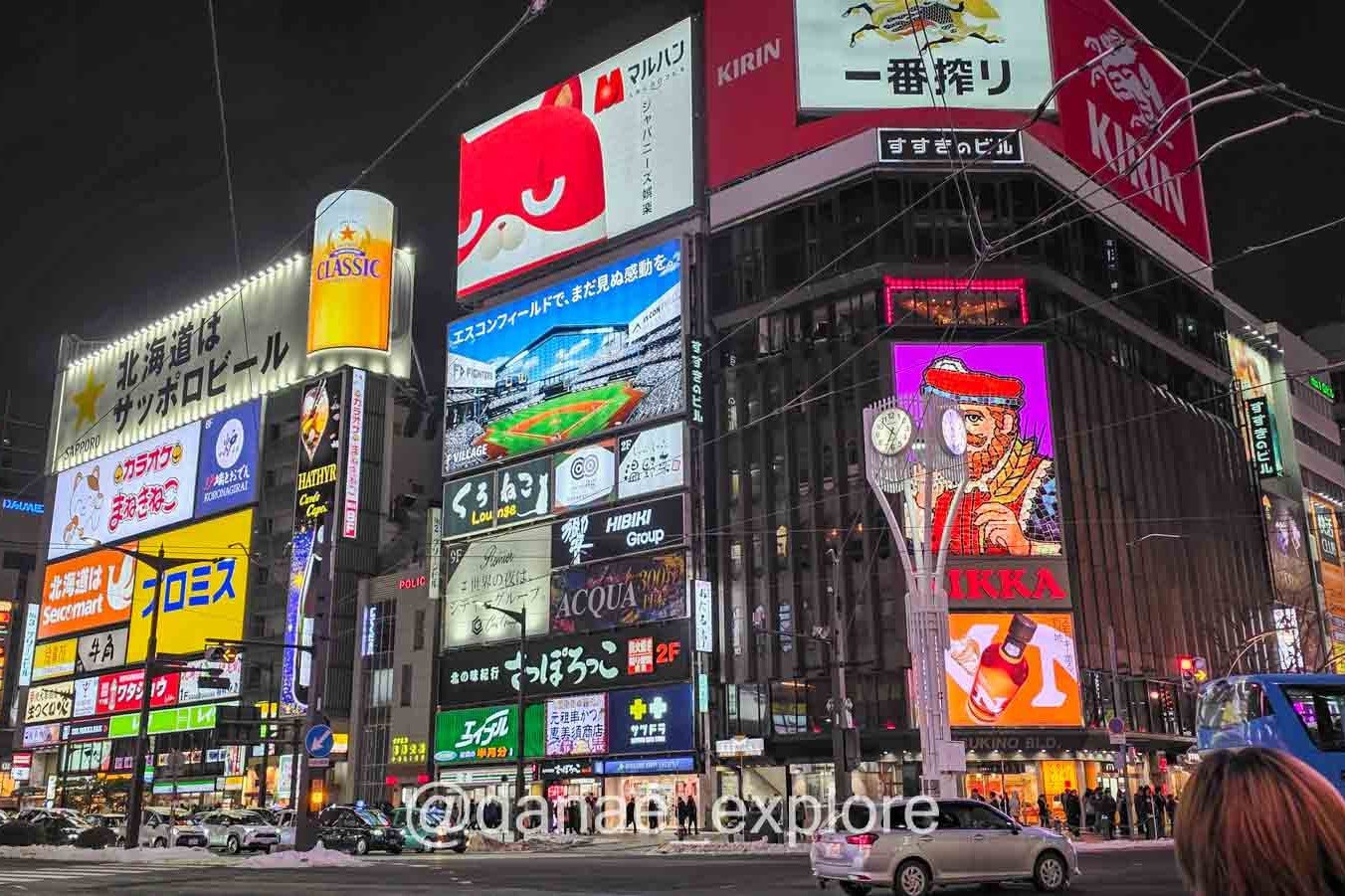
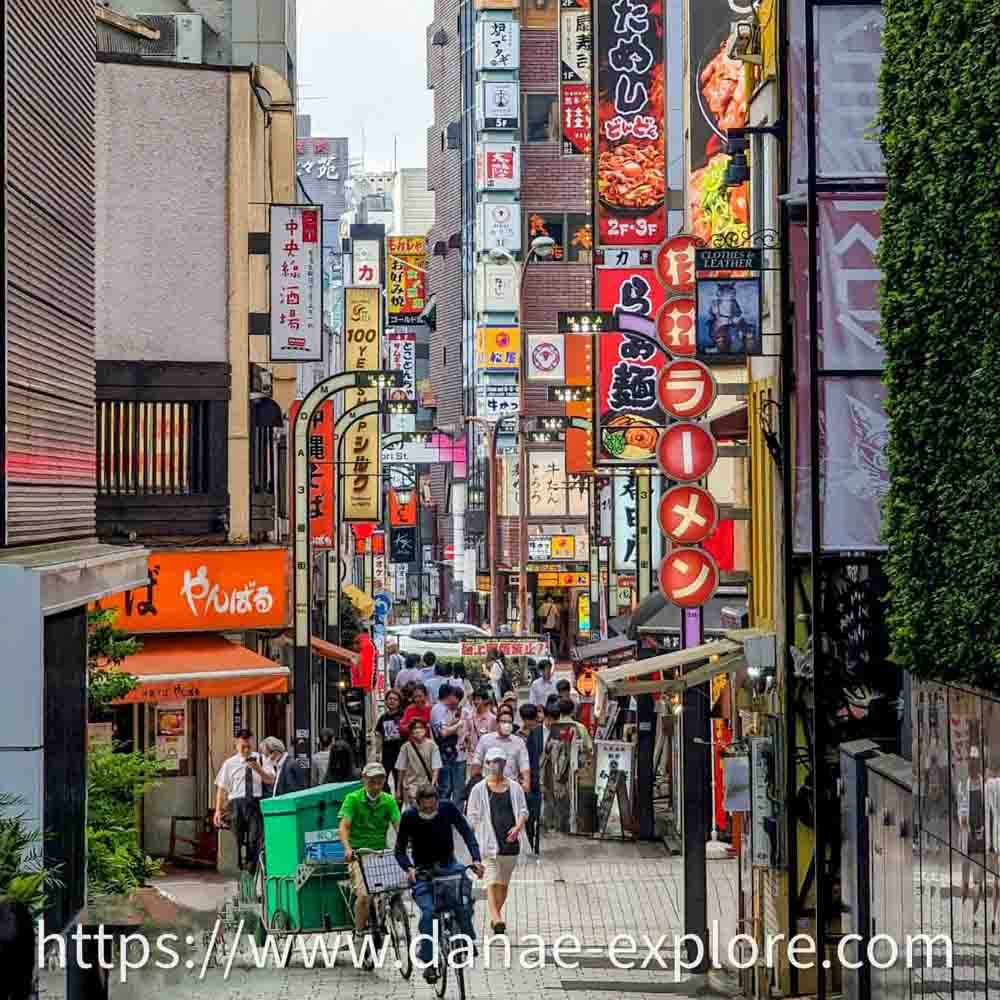
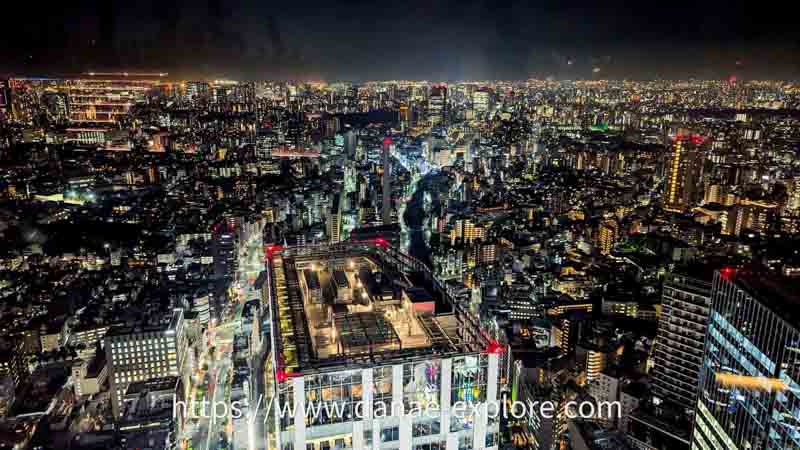
Picture billboards and neon lights everywhere, a vaguely futuristic setting, crowds at all hours. Shinjuku is an incredibly busy neighborhood, with a massive station served by an impressive number of metro and train lines — and the only station where we genuinely got lost. Accommodation options here offer good value for money, especially given how well-connected the area is.
Nearby, you’ll find Kabukicho, Tokyo’s version of a red-light district — which, like anywhere similar, has its upsides and downsides. We walked through it during the day and at night and felt completely at ease, just like anywhere else in the city. After all, you’re in Japan, one of the safest countries in the world. Also close by is Golden Gai, a well-known area packed with dozens of tiny traditional izakayas, perfect for soaking up a slice of authentic Tokyo nightlife.
– APA Hotel Shinjuku Gyoemmae: extremely compact rooms, but great value and away from Kabukicho.
– Tokyu Stay Shinjuku: from the same chain where we stayed, it looked similar in terms of layout and comfort (some rooms even have the life-saving in-room washing machine!), and apparently more affordable than the Ginza branch.
– Hotel Groove Shinjuku, a ParkRoyal Hotel: a great pick if you want rooms with those Instagram-worthy city views and easy access to the metro and train station.
.
.
Akihabara
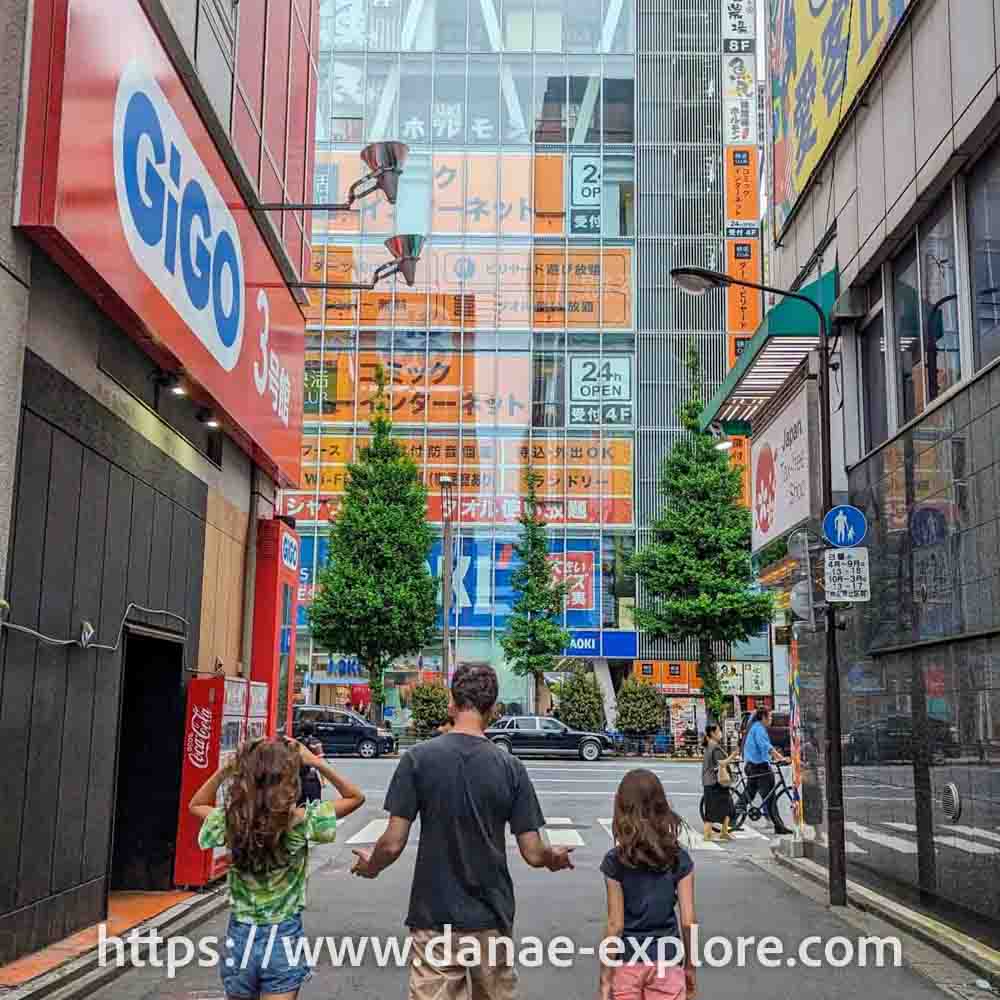
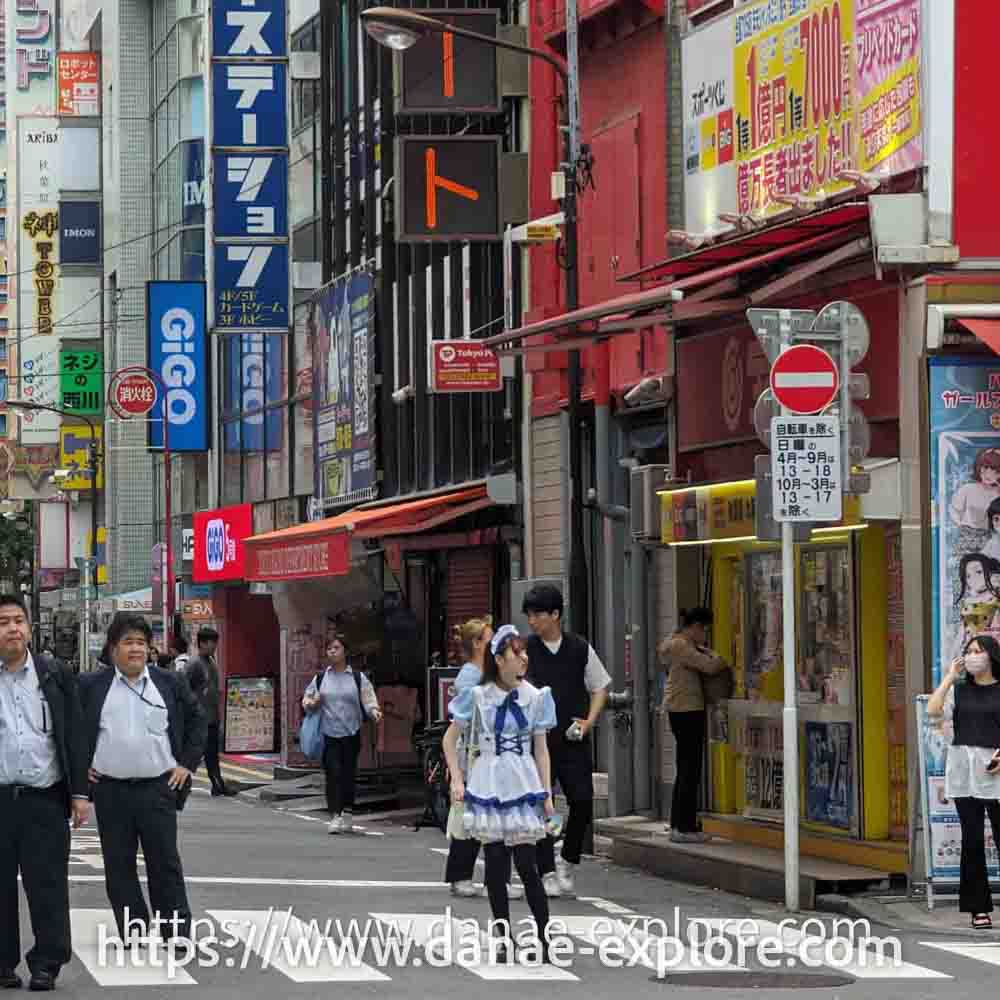
The go-to neighborhood for fans of manga, cosplay, gaming, and geek culture in general, Akihabara is well served by train and subway lines, offers great value-for-money accommodations, and has neon signs everywhere that make you feel like you’re right in the heart of Tokyo.
– The B Ochanomizu: in Akihabara but within easy walking distance of the Imperial Palace, with reasonably sized rooms (by Japanese standards, of course) at an excellent price.
– The Tourist Hotel & Cafe Akihabara: a clean, modern hotel with rooms for 4 and 5 people, which is genuinely hard to find in Tokyo at an affordable price.
– Best Western Hotel Fino Tokyo Akihabara: another solid value-for-money option, in line with the international chain’s usual standards.
.
Roppongi
The only neighborhood on this list that we didn’t get to explore properly — we only passed through briefly one afternoon — but Roppongi came highly recommended to us as an area with a more contemporary vibe.
– Roppongi Hotel S: this had some of the largest rooms I came across during my research, though the price reflects that extra space. If room size is a priority, this could be an excellent choice.
– Sotetsu Fresa Inn Tokyo Roppongi: compact rooms at excellent value, well located near Roppongi subway station.
– Remm Roppongi: another great value option with compact rooms, some with city views and even massage chairs!
Whichever of these areas you choose, you’ll be well located, with easy access to trains, subways, and the Tokyo’s main attractions. And don’t forget to check out our 4-week Japan itinerary!
Here are the websites I always use to plan my trips:
– 🛌 Accommodation: Booking
– ☀️ Tours & activities: Civitatis & Get Your Guide
– 📱 eSIM for mobile data: Airalo e-SIM – use promo code DANAE2375
– 🚗 Car rental: RentCars – use promo code DANAE, or DiscoverCars
.
Check out all our posts about traveling in JAPAN:
- 4-week Japan itinerary: the best of Japan for a first trip to the Land of the rising sun
- Where to stay in Tokyo
- Beyond Tokyo: 7 day-trips that live up to the hype
- The best of Kyoto: what to do in 4 or 5 days in Japan’s ancient capital
- Tateyama Kurobe Alpine Route – Your ultimate guide to the journey crossing the Japanese Alps
- Nakasendo Road, from Magome to Tsumago, the most beautiful villages of medieval Japan
- Hiroshima: 2-day itinerary, with a day trip to Miyajima
- Sapporo: complete itinerary and tips for skiing in Hokkaido
- 10 things you need to know before traveling to Japan
.
Here are our posts about other destinations in Asia:
- 3-week itinerary through Southeast Asia – the best of Thailand, Laos and Cambodia
- Siem Reap and Angkor Wat in Cambodia
- New Year’s Eve in Siem Reap, Cambodia
- What to do in 3 days in Luang Prabang
- The best of South Korea: 7-10 day itinerary
Did you like these tips? Then follow me on social media:
Instagram @danae_explore
Pinterest @danaeexplore
Comments or questions? Contact me on social media! I love to chat about travel 😉
And before you go, don’t forget to SAVE THIS PIN to your PINTEREST so you can easily find the best places to stay in Tokyo whenever you need it!