.
I decided to learn to ski. After 50. In Japan. Exactly what any reasonable person would do, right?
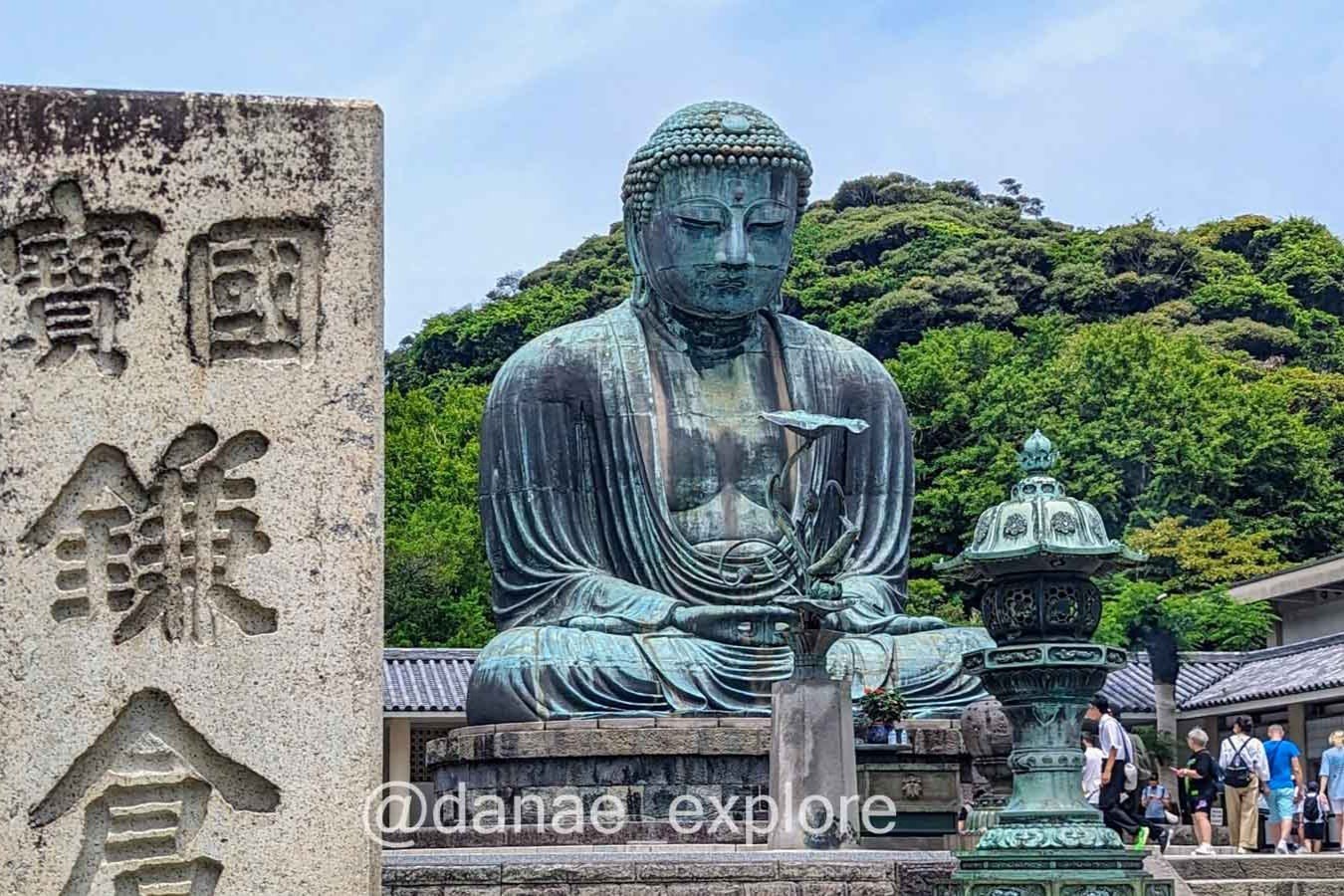
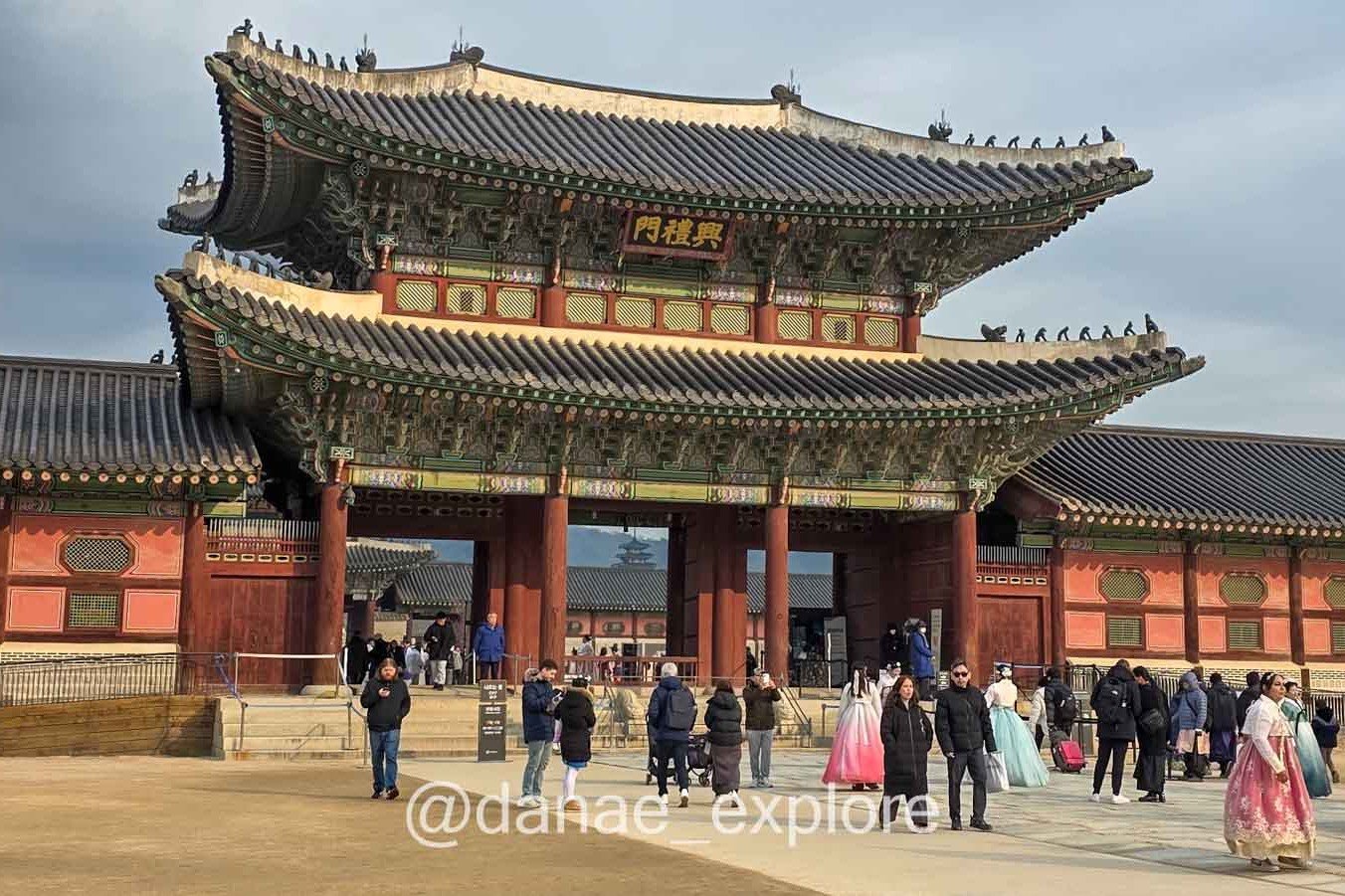
Well, against all advice, I got on skis for the first time as an adult. After spending a few days in South Korea, we headed to Japan in December, determined to finally tick this off our bucket list. Not at a fancy resort, and definitely not after years of practice. For the first time, on the slopes of Hokkaido, Japan’s northernmost island.
Against all odds, I survived. Not without a few falls and some soreness here and there. But more than just surviving the slopes, I was blown away by everything Sapporo and Hokkaido have to offer, both on and off the slopes.
First of all, follow me on Instagram @danae_explore – that’s where you can keep up with my trips, find lots of travel tips, and send me a DM anytime. I love chatting about travel!
The truth is, skiing in Japan doesn’t have to cost a fortune. It is possible to ski in Hokkaido without breaking the bank and still enjoy everything Sapporo, one of Japan’s largest cities, has to offer, like great food, ice-cold beer, and the best matcha latte you have ever had.
In this post, I’m sharing everything you need to plan your trip: how to get to the slopes, how much it costs to ski in Hokkaido, where to stay in Sapporo, how to get around, what to do in Sapporo, and much more. Practical information, with a bit of real-life perspective from someone who’s been there and came back wanting more.
This is just the beginning, Japan has so much more to offer. Here on the blog, alongside our full 4-week itinerary from the first trip, you’ll find accommodation tips for Tokyo, day-trips from Tokyo, itineraries for Kyoto, Hiroshima and the charming post towns of Magome and Tsumago plus the Tateyama-Kurobe Alpine Route for those looking to get off the beaten path. If Japan is on your list, you already know where to start 😉
.
Why use Sapporo as a base for skiing in Hokkaido?
Hokkaido, Japan’s northernmost main island, is the country’s best-known ski destination, and for good reason.
Icy winds from Siberia cross the Sea of Japan, and something close to meteorological magic happens, bringing abundant, high-quality snowfall: the famous powder snow.
We went in mid-December, and there was already plenty of snow both in the city and in the mountains, but temperatures were still relatively mild, hovering around 0°C. Cold enough to keep the snow in perfect condition, but without the bitter cold you’ll find in other regions or later in the season.
Most content about skiing in Hokkaido focuses on Niseko, the most famous resort area, with 60 runs spread across four interconnected ski areas and a lively après-ski scene. But Niseko comes at a cost: as a destination built around skiing, accommodation at the resorts, and even nearby, is very expensive, and the whole experience is geared toward those who want to fully immerse themselves in ski life. In other words, definitely not us.
After a lot of research, I came to the conclusion that the best option would be to stay in Sapporo and ski at a nearby resort.
It worked out really well. Hokkaido’s capital has accommodation options for every budget, outstanding food, cultural attractions, and, best of all, easy access by public transport to excellent ski resorts.
Planning a trip to Japan? You’re in the right place! We’ve been twice, and I’m sharing itineraries and complete guides here on the blog and over on Instagram. Start with our full itinerary from our first trip (summer), and our guide on what you need to know before visiting Japan.
.
Best ski resorts near Sapporo
Sapporo is surrounded by excellent ski resorts, which is one of the biggest advantages of staying there. Here are the main ones you can easily reach from the city:
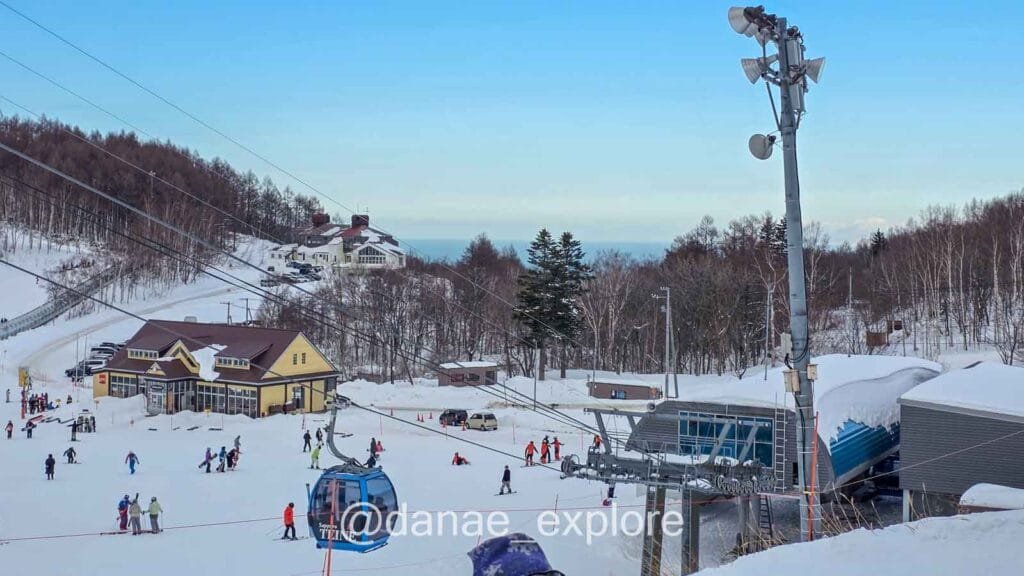
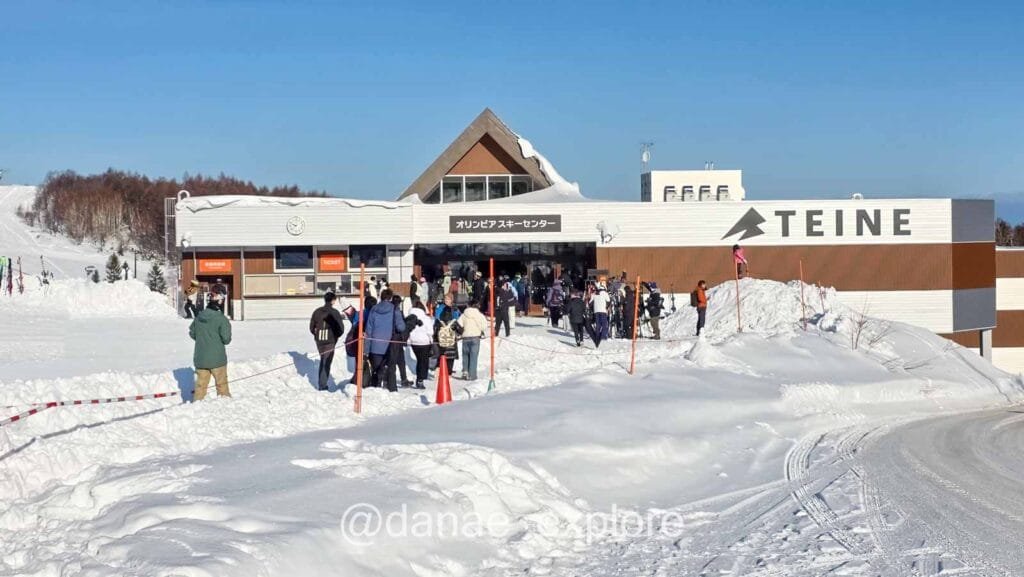
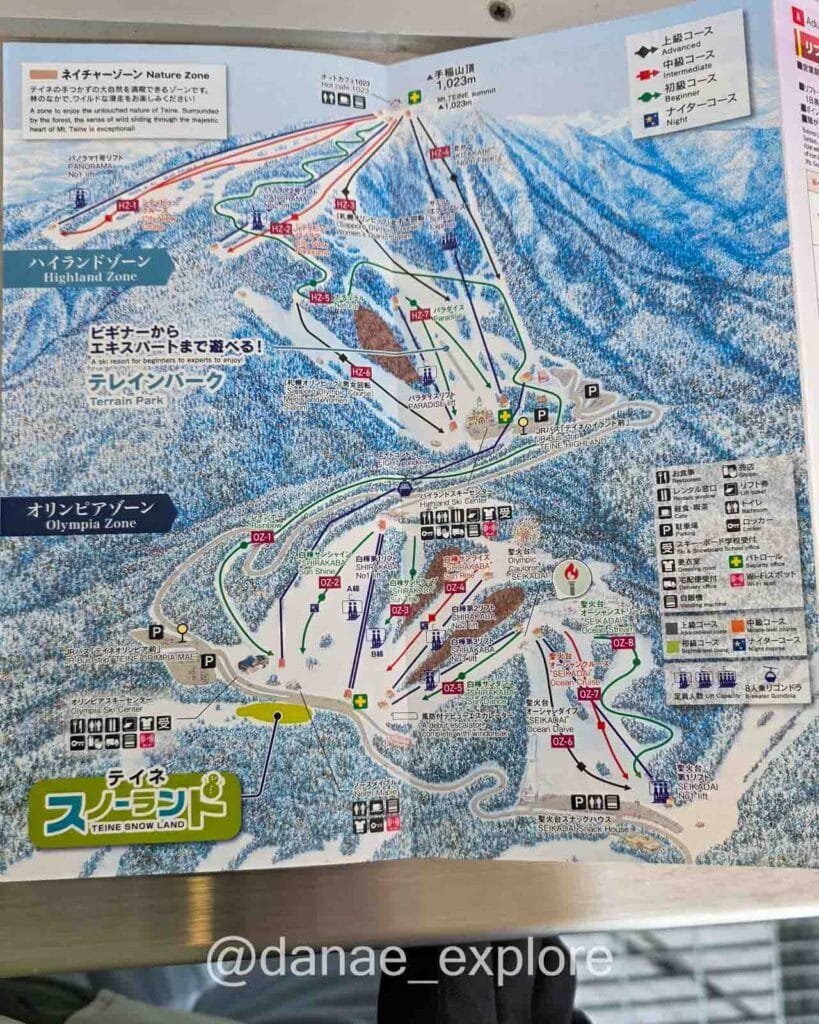
– Teine: the closest and easiest to reach by public transport, just 45 minutes from the city center. After a lot of research, weighing the pros and cons and doing the math, this was our choice.
– Kokusai: about an hour away by car or bus from downtown Sapporo, and known for its excellent snow.
– Kiroro: great for powder snow and with the kind of infrastructure you’d expect from high-end resorts like Club Med, but it requires more travel time.
– Rusutsu: a large resort about 90 minutes from Sapporo, with slopes for all levels and full resort infrastructure, including Rusutsu Resort Hotel, The Westin Rusutsu Resort, and some more affordable options in the village center.
–Niseko: Japan’s most famous ski resort, Niseko is known for having some of the best snow in the world and spectacular scenery. It also offers plenty of opportunities for backcountry skiing, in addition to the groomed slopes. It is about two hours from Sapporo
If you’re planning to ski in Niseko, I recommend staying a few nights there. The main ski areas are in the resorts of Grand Hirafu (there is a village at the base with more budget-friendly places to stay), Niseko Village and Annupuri. All of them are interconnected, so you can ski from one to another; there is also Moiwa, but it is not connected to the others. The region has become especially popular with Australian travelers and has excellent infrastructure geared towards international visitors.
We also considered doing a day trip from Sapporo to visit Kiroro Snow World, a snow activity park that is great for those who do not ski or snowboard. We had even looked into the bus service from Sapporo to the resort and back. But after how well things had gone for us the day before in Teine, we decided to go back there and try our luck on the slopes again.
.
.
Skiing at Sapporo Teine: a practical guide
How to get to Sapporo Teine
Sapporo Teine is only about 45 minutes from central Sapporo by public transport, which means you can easily spend the day on the slopes and still be back in the city in the evening for a great bowl of miso ramen.
We were staying near Susukino Station, so we first took the subway to Sapporo Station (two stops on the Namboku Line), then took the JR Hakodate Line local train to Teine Station, followed by a bus to the ski resort. You can check the route on Google Maps and follow the signs at the stations; the whole journey is very straightforward.
Total transport cost: ¥1,570 per person each way. If you have a JR Pass that covers Hokkaido, the train ride is included, so you only need to pay for the bus.
.
.
Good to know: using an IC card makes paying for public transport much easier. Just tap in and out at the gates. It works on all trains, subways, and buses, as well as in convenience stores and vending machines. The best-known IC card is Suica, which is sold in Tokyo; in Sapporo, the local equivalent is Kitaca. In other parts of Japan, the name may vary, but they are all accepted across the country. One thing to keep in mind is that physical IC cards are only sold at major JR stations; in Sapporo, that means the central station. You can also add Suica to your phone’s digital wallet, and it even works if your phone battery dies.
For Teine, there is also the option of taking a bus operated by BigRuns, which stops at several hotels in Sapporo and goes straight to the ski resort. You can find the details here. The big advantage is that you don’t have to switch between different types of transport, and the ¥10,500 fare includes round-trip transport and a lift pass for the day. I seriously considered this option, since our hotel was one of the stops, but because we booked a lesson package that already included the lift pass, we decided to use public transport instead. There is also a round-trip bus-only option, which costs ¥7,800.
.
.
How much does it cost to ski in Sapporo Teine?
Skiing isn’t cheap — not in Japan, not anywhere in the world. But from everything I researched, the plan we put together kept costs lower than most other options. We stayed in the city, where accommodation is much cheaper than at the well-known ski resorts, and Teine itself isn’t one of the most popular resorts, so prices tend to be more reasonable.
If you already have your own ski gear, just show up, buy a lift ticket, and hit the slopes. Prices for the 2025–2026 season are listed on the official website; for other seasons, it’s worth checking a few months in advance. This page has all the details, but to give you a general idea: during the regular season (December 20 to March 8), a full-day lift pass costs ¥8,400 for adults.
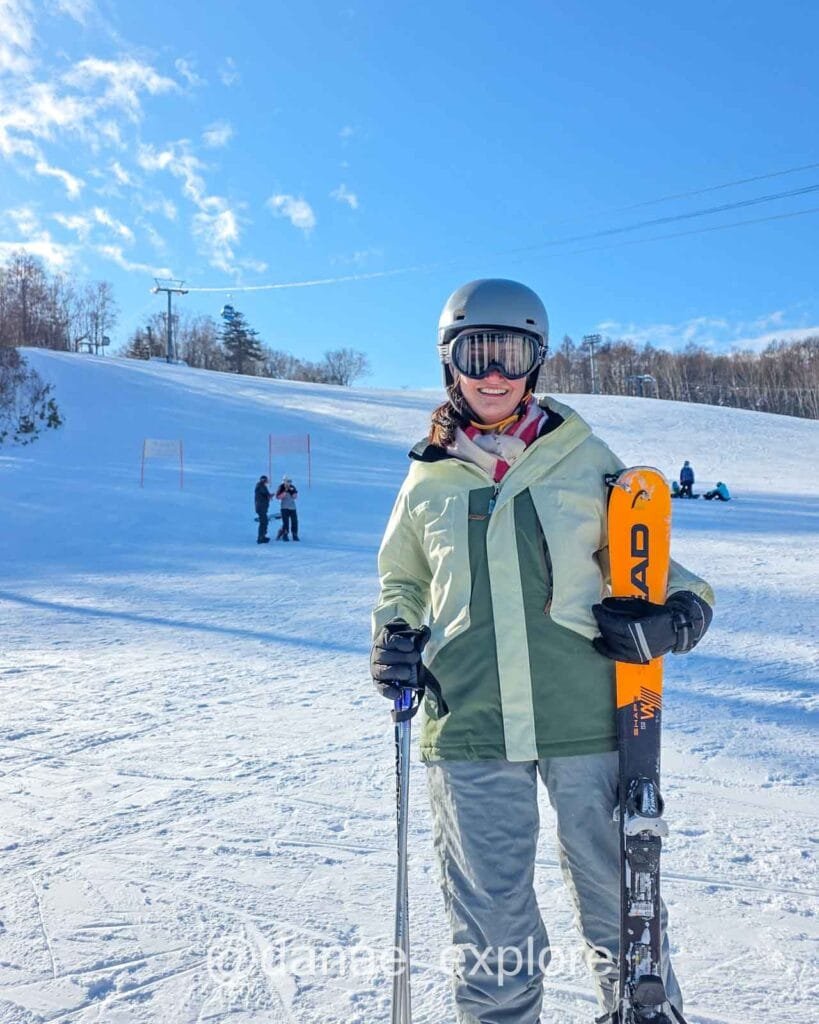
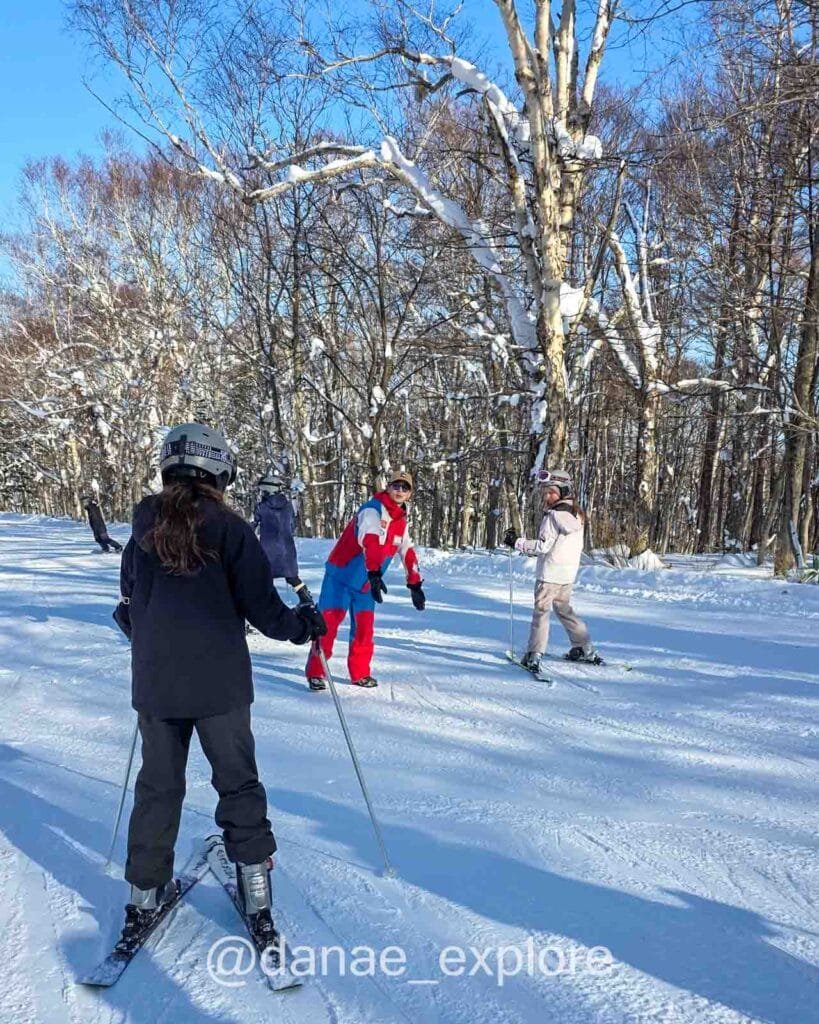
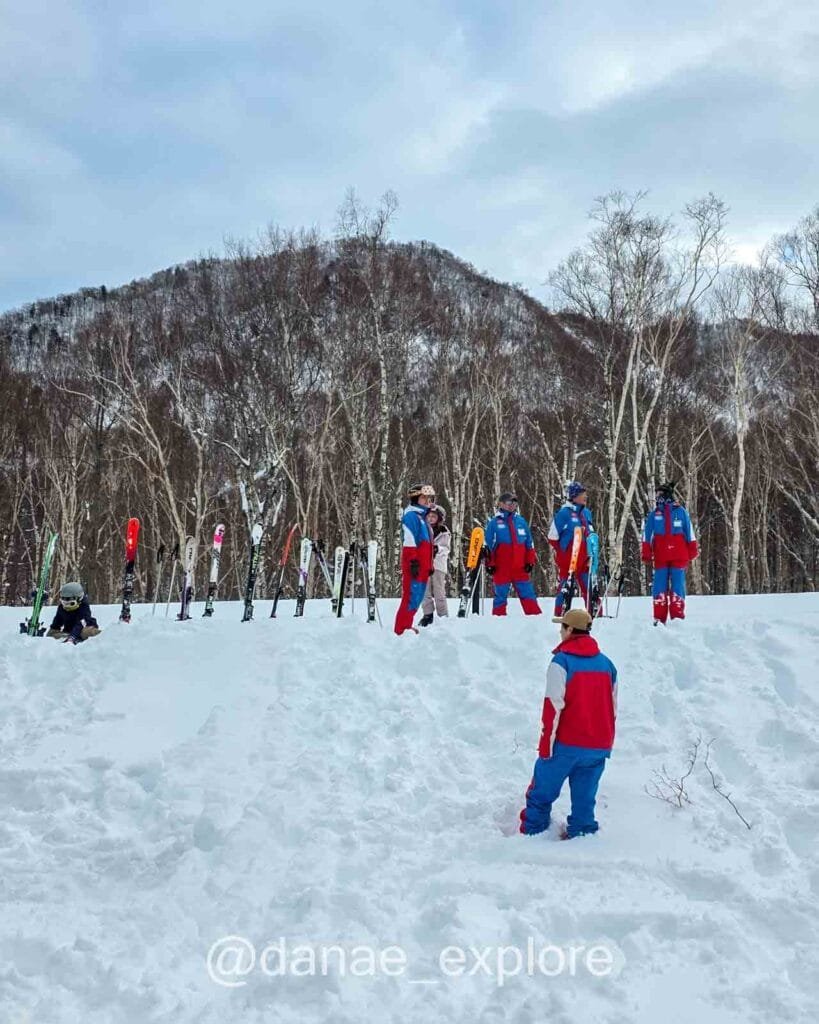
Since it was our first time skiing, I booked a package directly through the Sapporo Teine website that included a ski lesson (beginner level, no prior experience), full equipment rental (skis, boots, poles, and goggles), clothing rental (jacket, snow pants, hat, and gloves), and a lift pass for the lesson. The equipment and clothing rental was valid for the whole day, so after the lesson we still had time to buy a separate lift ticket and head back to the green slope one more time.
Lessons are held in English; our group had 18 people and 6 instructors.
We went on the last day of the early season (which ran from November 22 to December 19 in 2025–2026), and this package cost ¥31,000 per adult for the full-day lesson (1.5 hours in the morning, a lunch break, and 1.5 hours in the afternoon). The half-day lesson costs ¥29,000, and in my opinion, the price difference isn’t worth it. During the regular season (December 20 to March 8), the price goes up to ¥36,000 per adult. Private ski and snowboard lessons are also available.
You can find all the details about the lessons on the Teine Olympia Ski School website.
Planning a trip to Japan? You’re in the right place! We’ve been twice, and between the blog and Instagram, I’ve got itineraries and guides covering both trips. Start with the full itinerary from our first trip (summer), and our Japan travel guide to 10 things you need to know before you go.
.
Where to stay in Sapporo
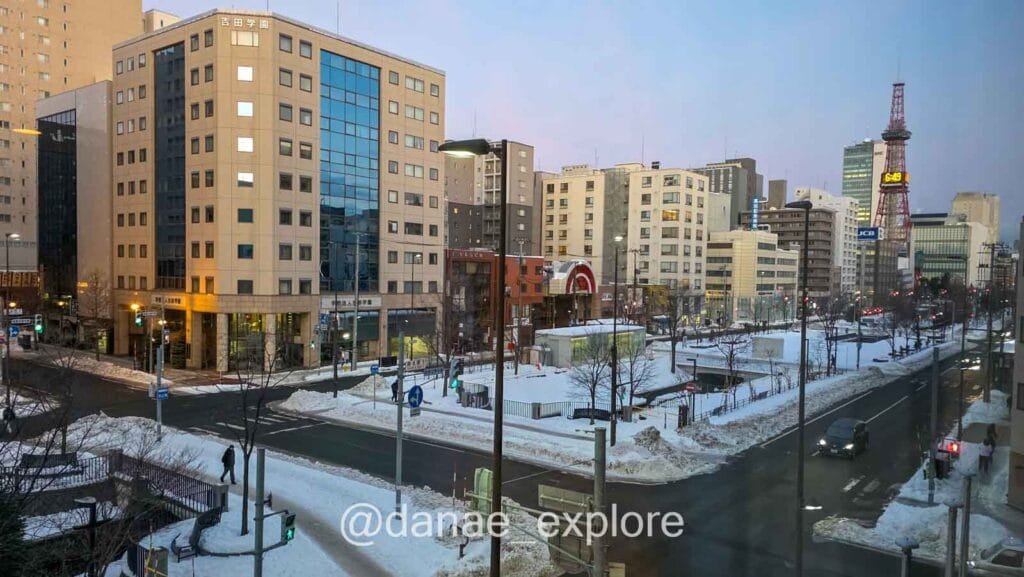
Sapporo is a large, modern, and very well-organized city, with accommodation options for all tastes and budgets. We stayed in the Susukino neighborhood, the city’s nightlife and food hub. It’s full of restaurants, bars, izakayas, and those bright signs that make you feel like you’re really in Japan. It’s a lively area with great subway access and just a short walk from most of the main attractions.
For those who prefer an even more practical location logistically, staying near Sapporo Station is an excellent option. The central station connects the city’s main train and metro lines, making it easy to get around to both urban attractions and the ski resorts in the surrounding area.
.
.
Where to stay in Susukino
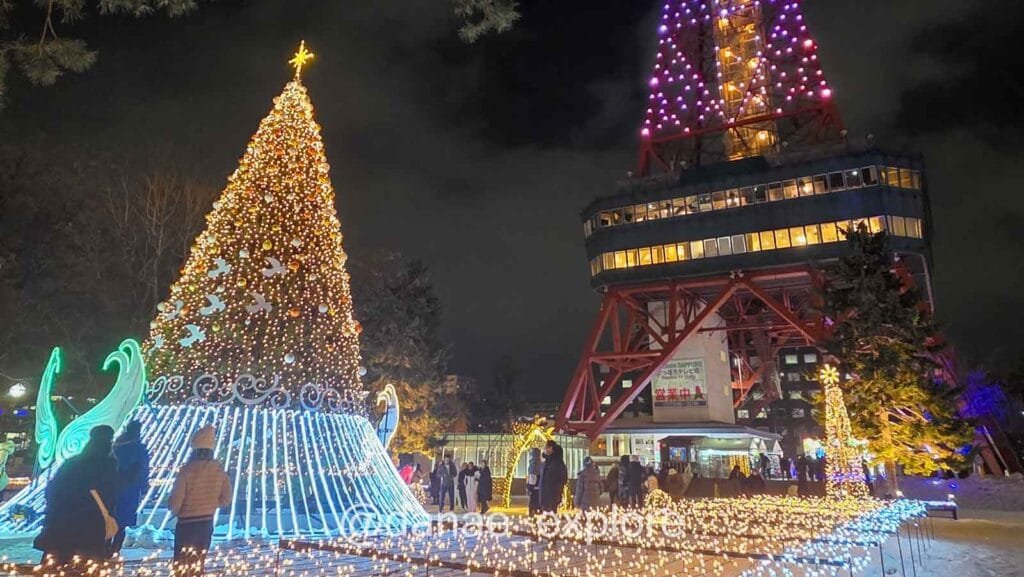
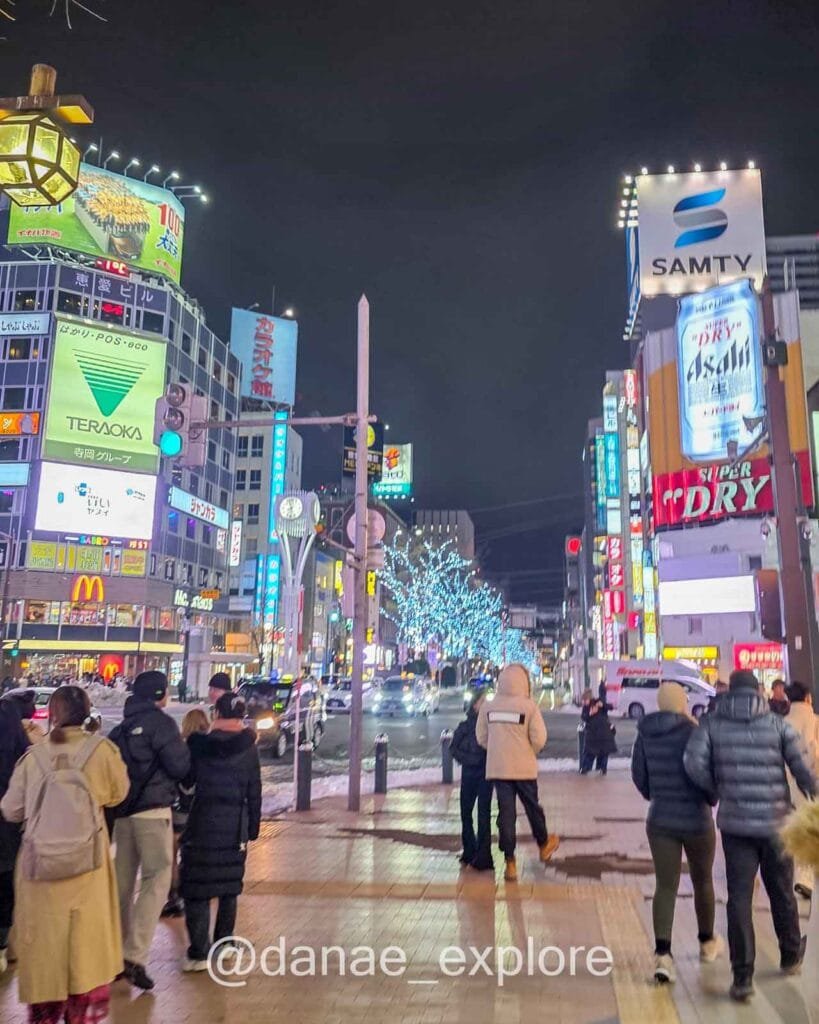
Susukino was the area we chose to stay in Sapporo, and I highly recommend it. The neighborhood has a unique energy, especially at night, with lively streets, food options for every taste, and easy subway access. Even with snow-covered sidewalks and temperatures often below freezing, the area was always bustling.
Our choice was the Fairfield by Marriott Sapporo. Excellent location, just steps from Nijo Market and Tanukikoji Shopping Street, a covered street lined with shops and restaurants. The rooms were great, large by Japanese standards, and the staff was very friendly; the concierge gave us several useful tips about the city. The bus to Teine stops right in front of the hotel, which is a big plus if that’s your preferred way to get there.
Other options I considered in Susukino were the Mercure Sapporo, the Sapporo Tokyu REI (also served by the bus line to Teine and Kiroro), and the WBF Sapporo Chuo. All are very well located, within easy walking distance of the main attractions in the area and the subway (Susukino or Odori station).
.
Where to stay near Sapporo Station
Another option is to stay near Sapporo’s central station, which is very convenient, as it eliminates the need to take the metro to the airport and puts you closer to public transport connections to the ski resorts.
The best options I found in that area were the New Otani Inn Sapporo, the JR Tower Hotel Nikko Sapporo (literally built on top of the train station), and the Keio Plaza Hotel Sapporo.
If you go with this area, look for a hotel between the station and Odori Park, that is, south of the station, as that puts you closer to the attractions you’ll be visiting on foot.
Feel free to explore the map below and start planning your trip:
.
How to get around in Sapporo
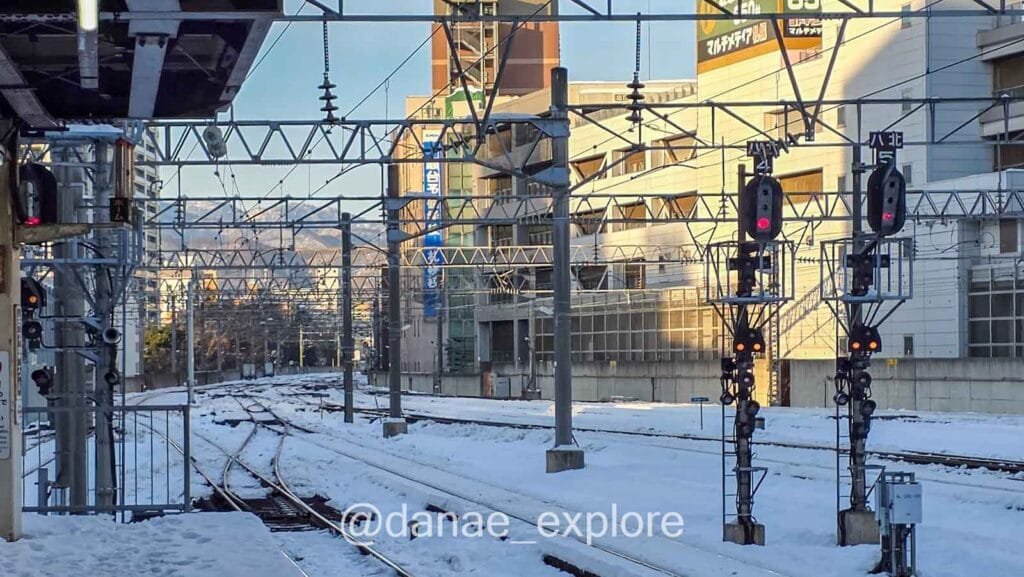
Sapporo has an excellent public transportation system, with metro, train, and bus services covering virtually the entire city and surrounding areas.
IC Card: One of the first things to do upon arrival is to get a Kitaca (the local card) or a Suica, Pasmo, or equivalent. They work on trains, the metro, and buses, as well as in many shops and convenience stores. It’s very convenient and saves you from having to buy individual tickets all the time. The only drawback is that you can only top up the physical card at station kiosks with cash; the mobile app lets you top up by card.
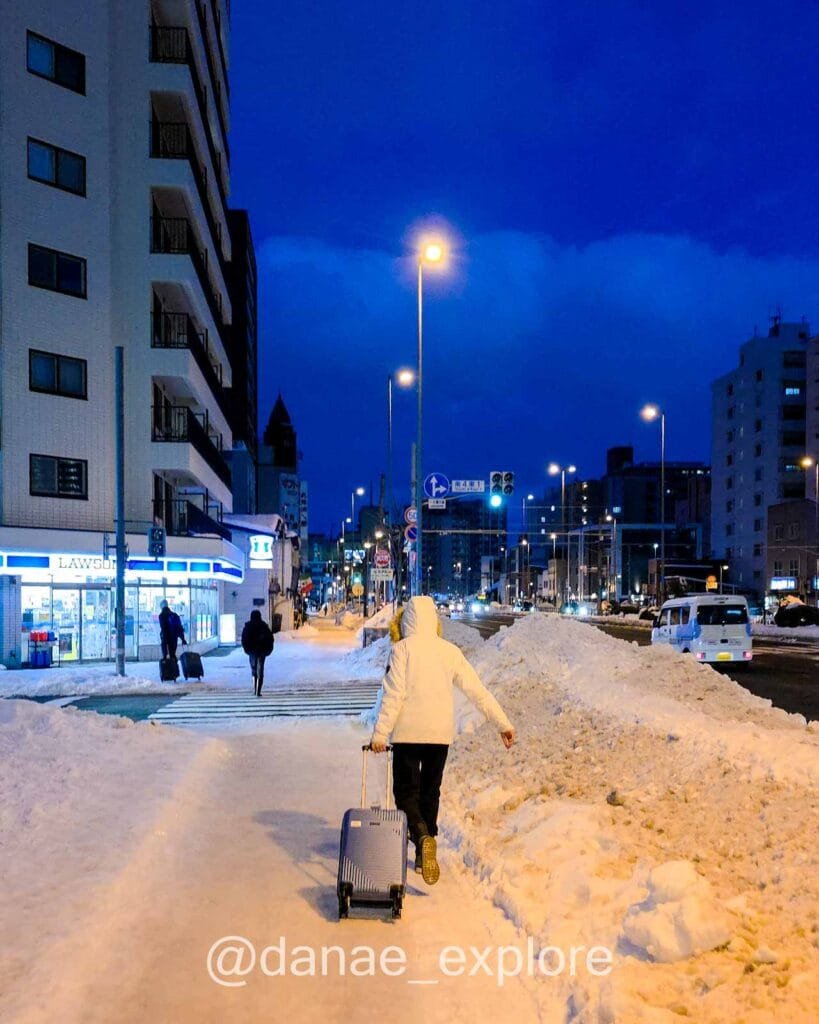
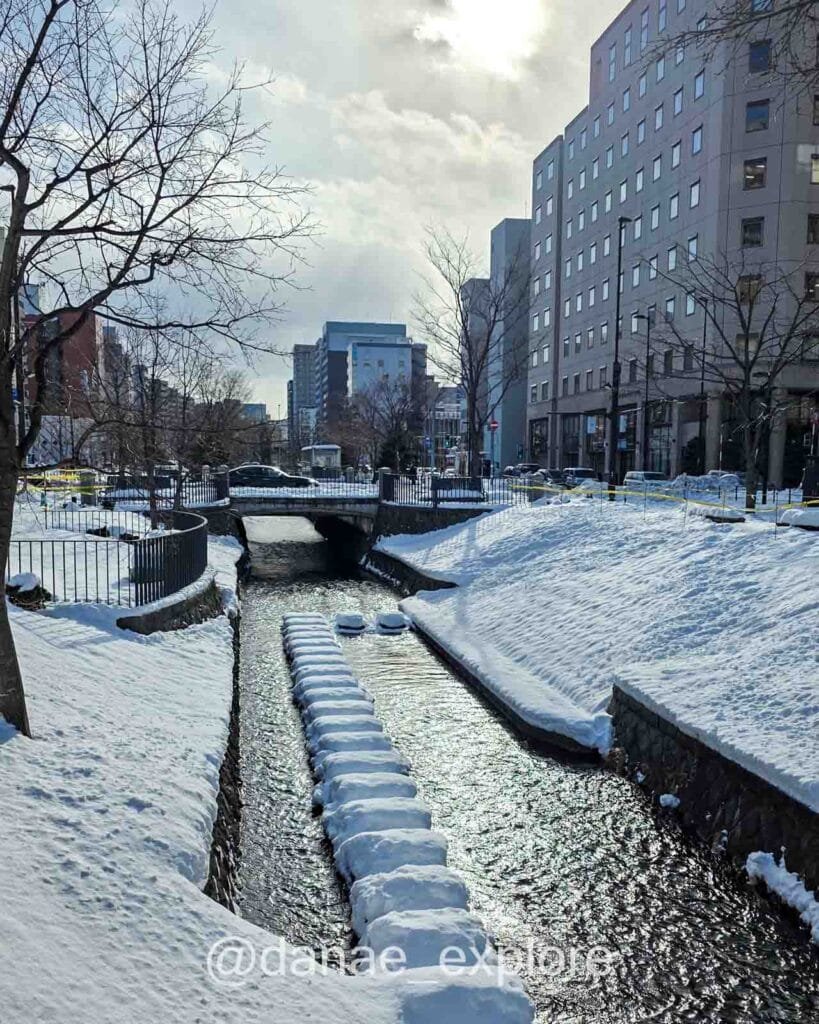
To explore the city, the subway covers the main tourist attractions and restaurants. For short distances, walking works well, especially in the city center. If you visit in winter, expect ice and snow on the streets and sidewalks. Being the total klutz that I am, I ducked into the first convenience store I saw and bought shoe clips, and that was a lifesaver, the best purchase of the Sapporo leg of the trip! So if you feel uneasy on slippery sidewalks, don’t risk it and make that small investment in your safety.
Tip: Google Maps works very well in Sapporo (and Japan in general) for planning public transport routes.
.
.
How many days should I spend in Sapporo?
Since we had never skied before and didn’t know what to expect, we spent three and a half days in Sapporo: two days skiing and one and a half days exploring the city. We could have used an extra day to visit other spots I had marked as must-sees (check them out on my map here), but we simply ran out of time.
If you enjoy skiing, it’s worth staying as long as you can, because the ski scene in the Sapporo area and throughout the island of Hokkaido is exceptional.
Overall, I’d say the ideal amount of time for a trip to Sapporo is two to three full days in the city, plus however many extra days you want for skiing in the region.
.
What to do in Sapporo besides skiing
Sapporo is much more than just a ski destination. The city has history and personality, and deserves a few days of your time. Some attractions we enjoyed and highly recommend:
.
Clock Tower (Tokeidai)
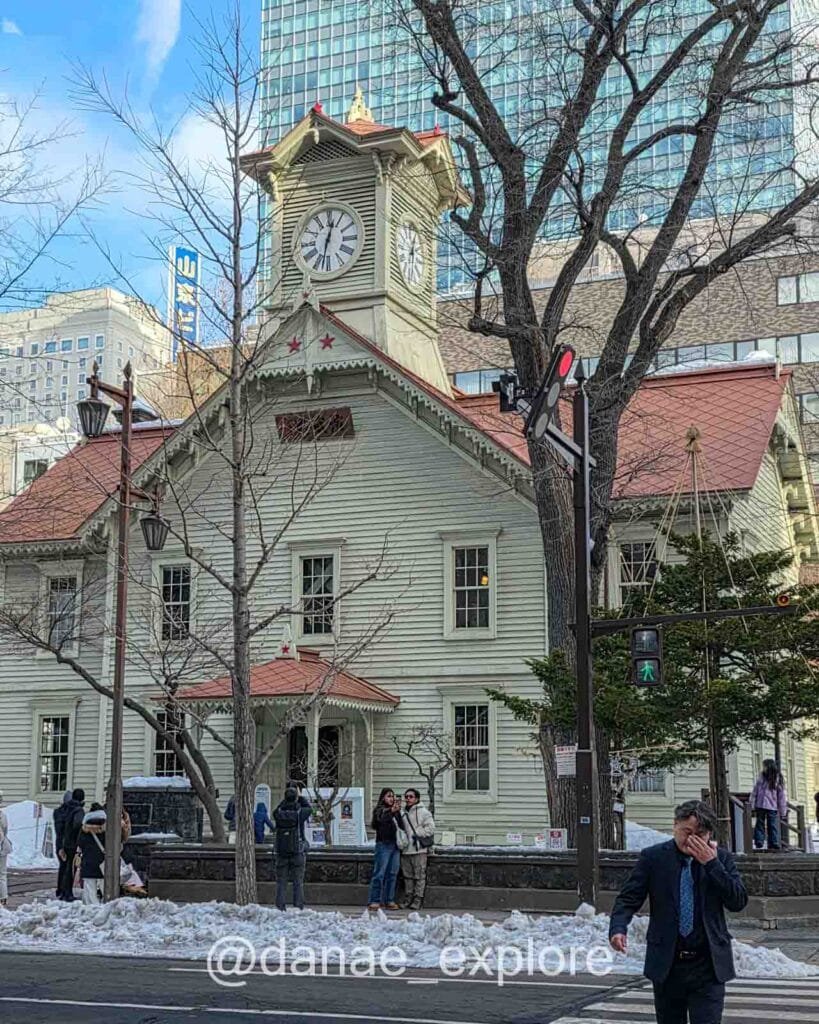
It may feel unusual to find an American-style building in the heart of Sapporo, but the place is a historical icon of the city. Built in 1878 as the communal hall of the Hokkaido Higher School of Agriculture, the four-faced clock was added in 1881. It’s worth stepping inside and visiting the small museum.
One interesting detail the museum recounts well: the agricultural school was created as part of a plan to drive the development of Hokkaido, which was at the time a kind of “no man’s land.” Naturally, this is the version of history told by the victors — the original Ainu people were not given a chance, as is so often the case.
.
Odori Park
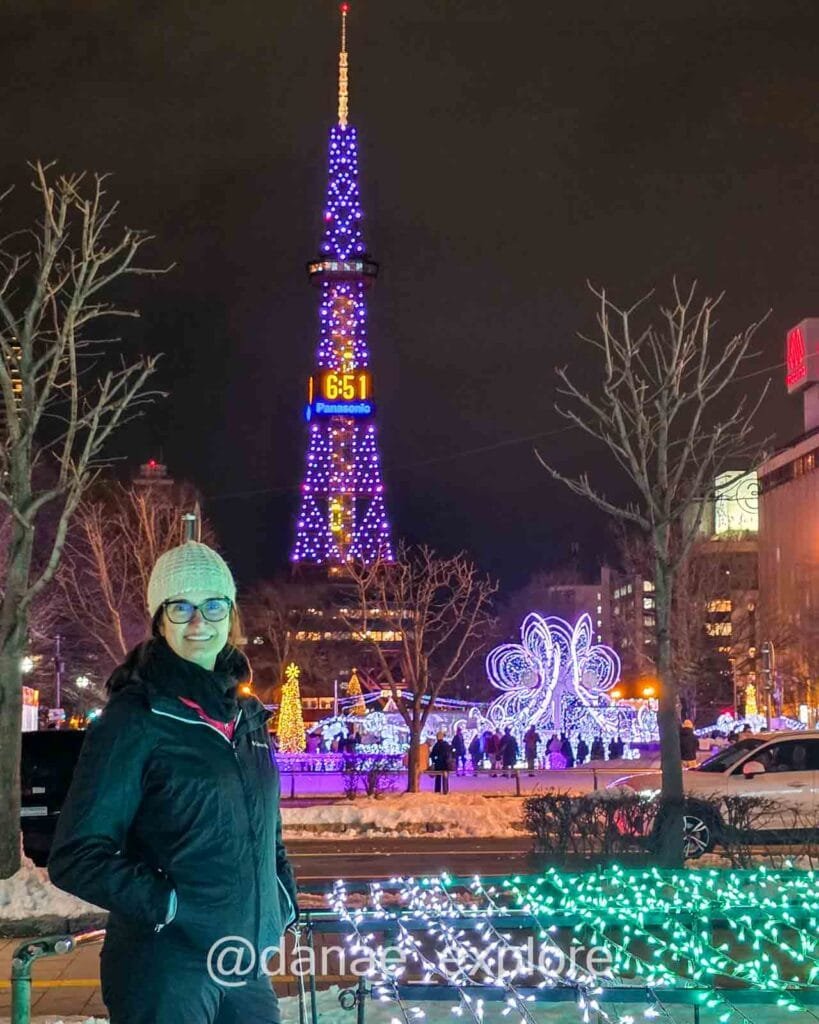
Odori Park is a linear park that runs through the center of the city, especially beautiful in winter, with snow covering everything. It is the setting for the famous Sapporo Snow Festival, an ice sculpture festival held every year in February.
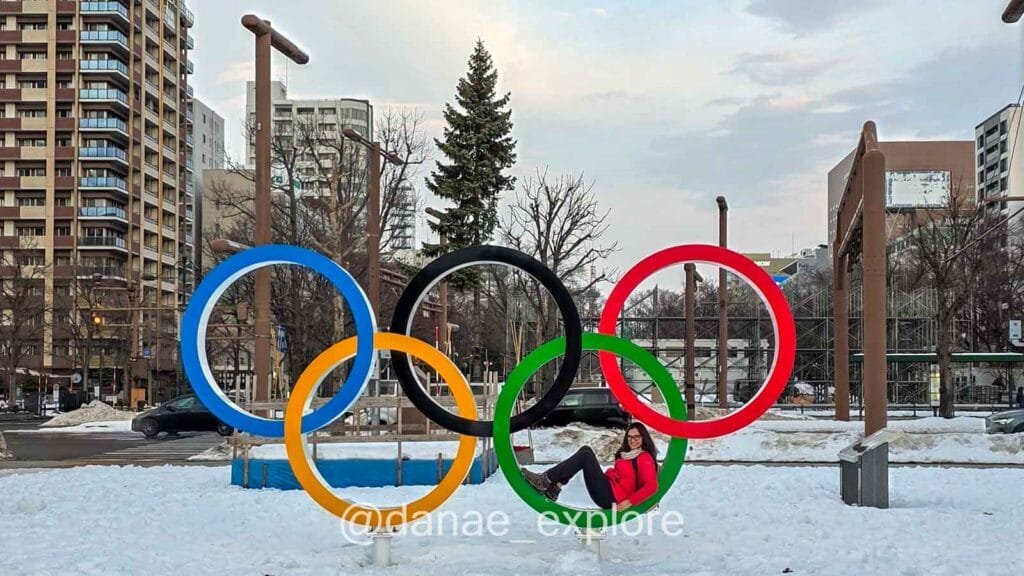
Olympic Symbol: Sapporo hosted the 1972 Winter Olympics, and the iconic Olympic rings are located in Odori Park. I couldn’t resist and got the perfect photo op.
.
.
Susukino
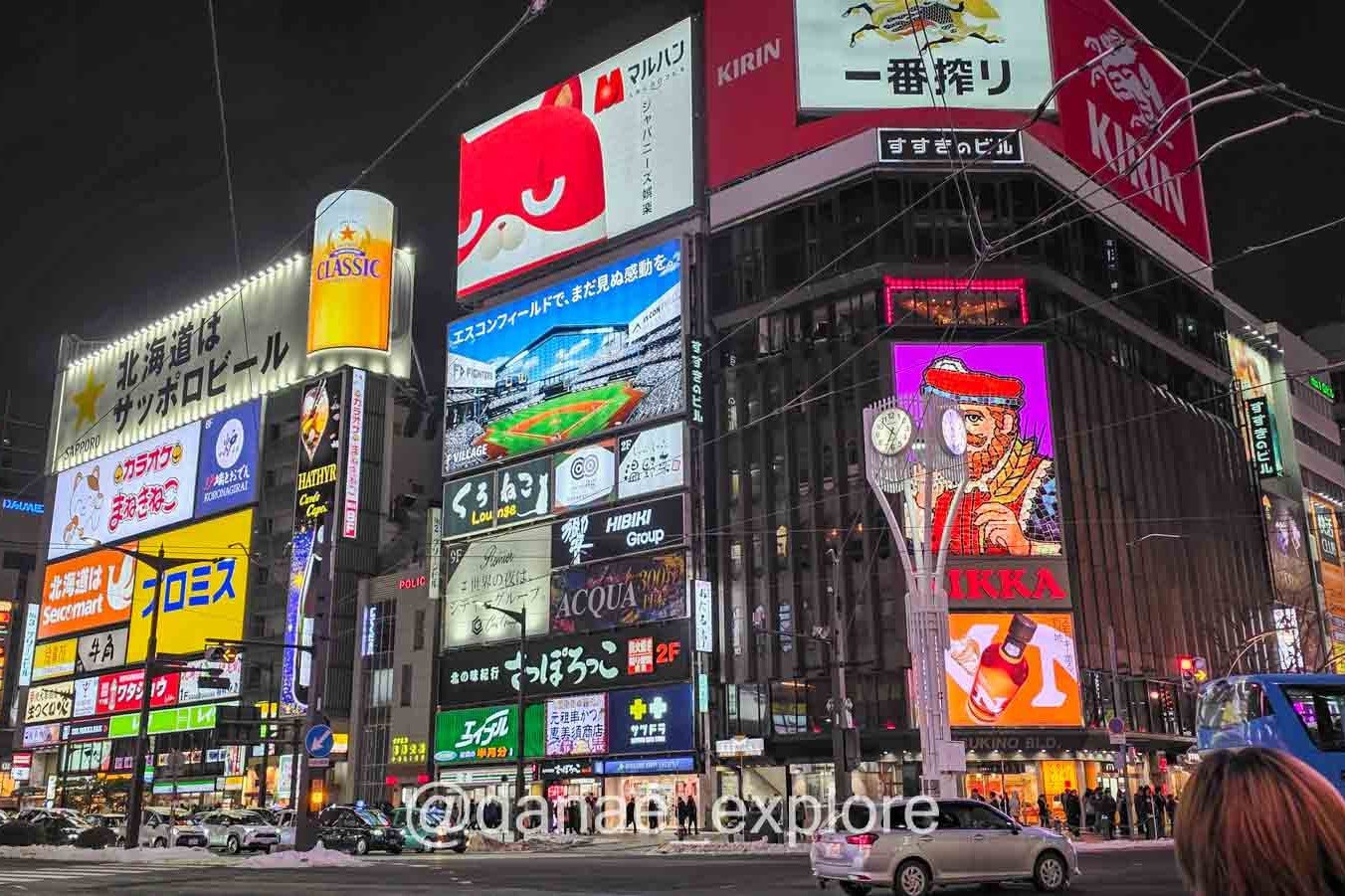
Susukino is Sapporo’s entertainment and gastronomy district, with bustling streets, towering neon signs, and restaurants for every taste. It’s the area with the large billboards that define the city’s look and feel at night.
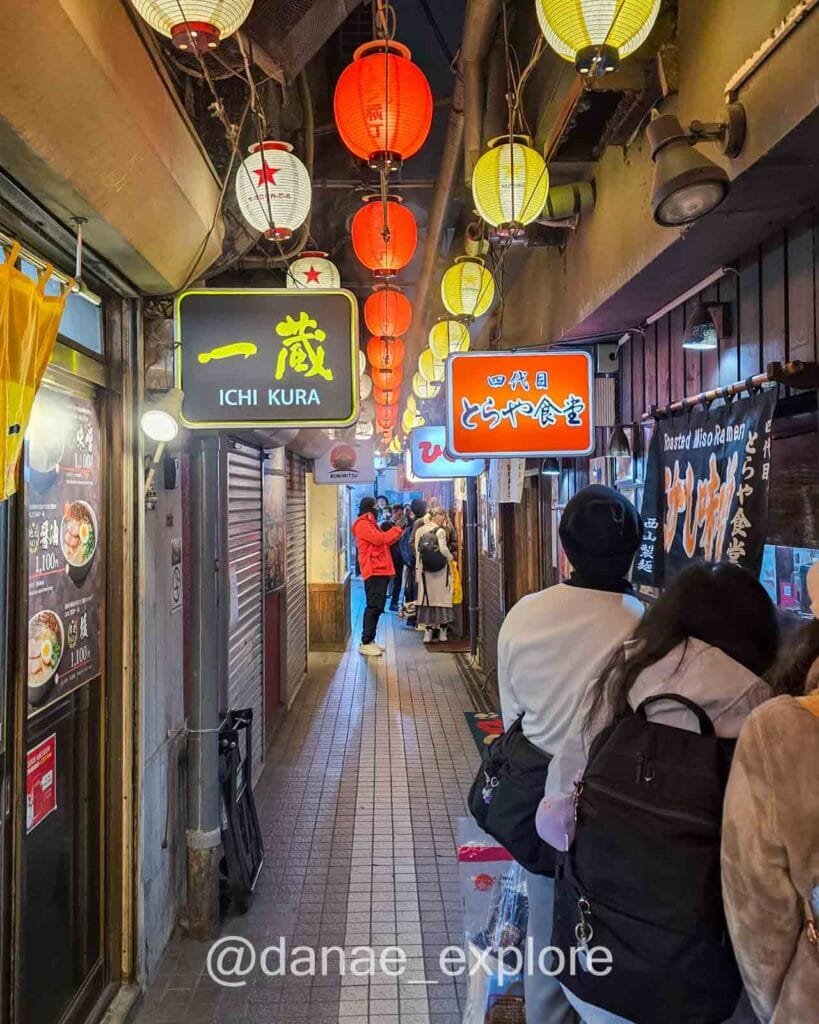
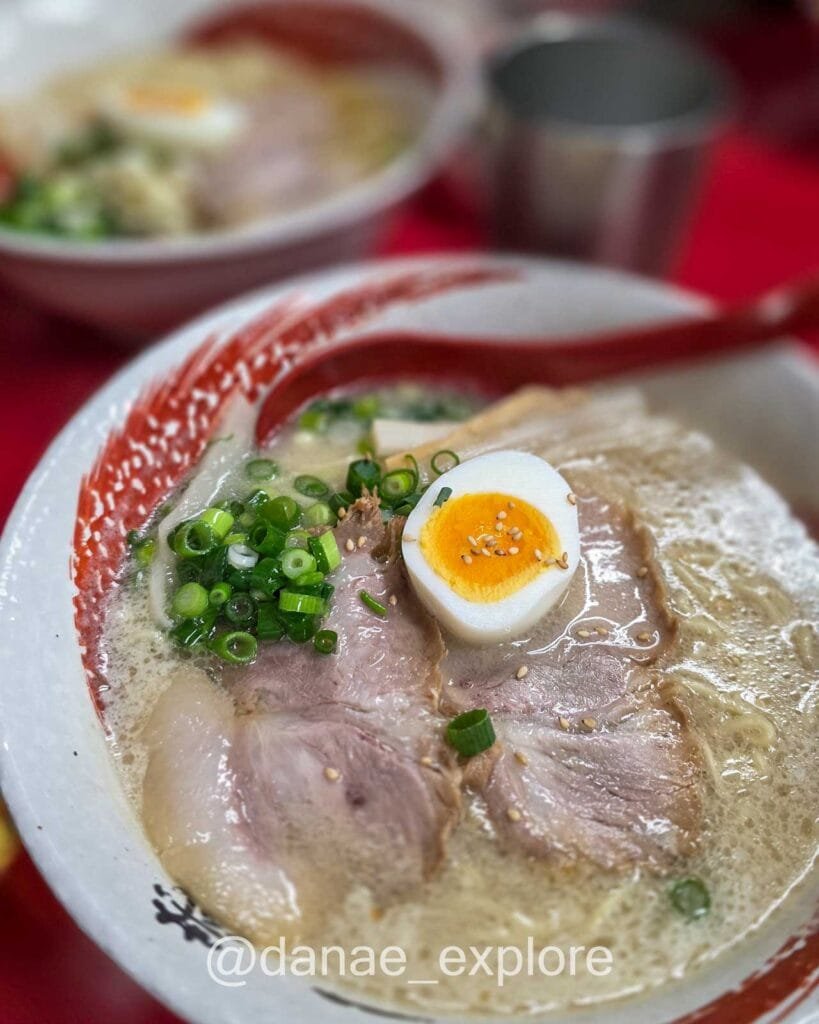
Near Susukino subway station is Ramen Alley, a narrow lane packed with restaurants specializing in miso ramen. Miso ramen is a hearty dish made with pork broth and miso paste that originated in Sapporo in the 1950s and gained worldwide fame. The place may seem touristy, but the ramen I had there, at a randomly chosen restaurant, was spectacular. Just another reason why I chose to stay in Susukino.
.
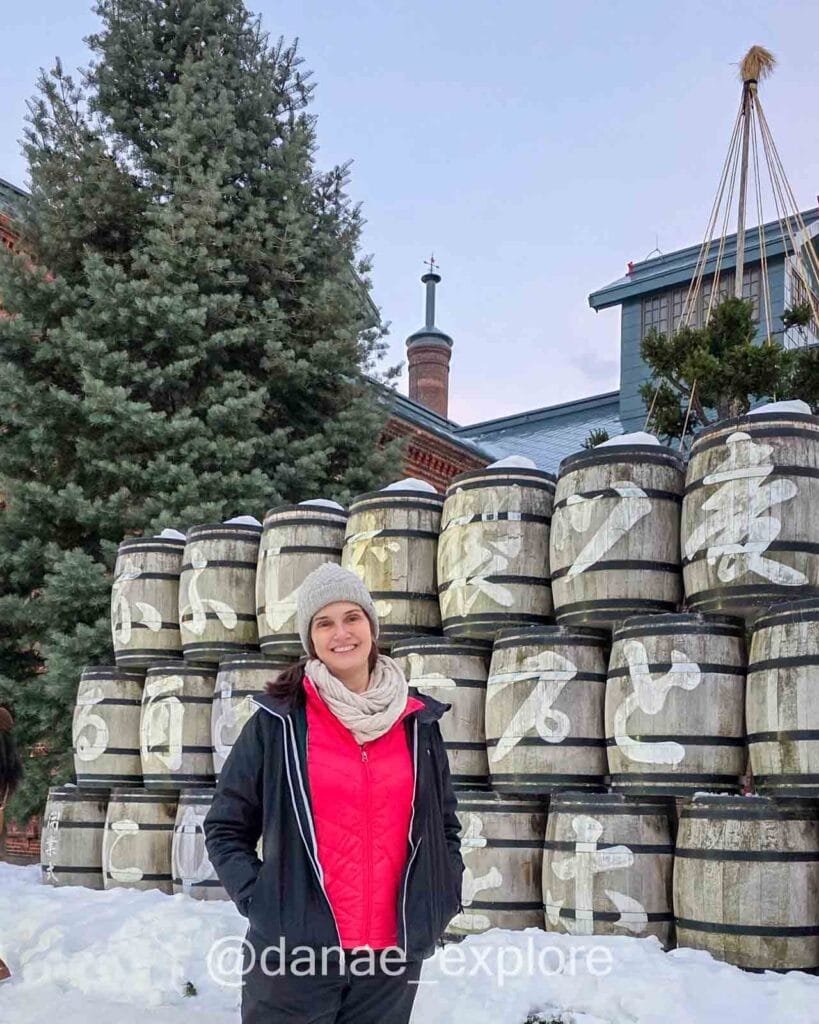
Planning a trip to Japan? You’re in the right place! We’ve been twice, and between the blog and Instagram, I’ve got itineraries and guides covering both trips. Start with the full itinerary from our first trip (summer), and our Japan travel guide to 10 things you need to know before you go.
.
Sapporo Beer Museum
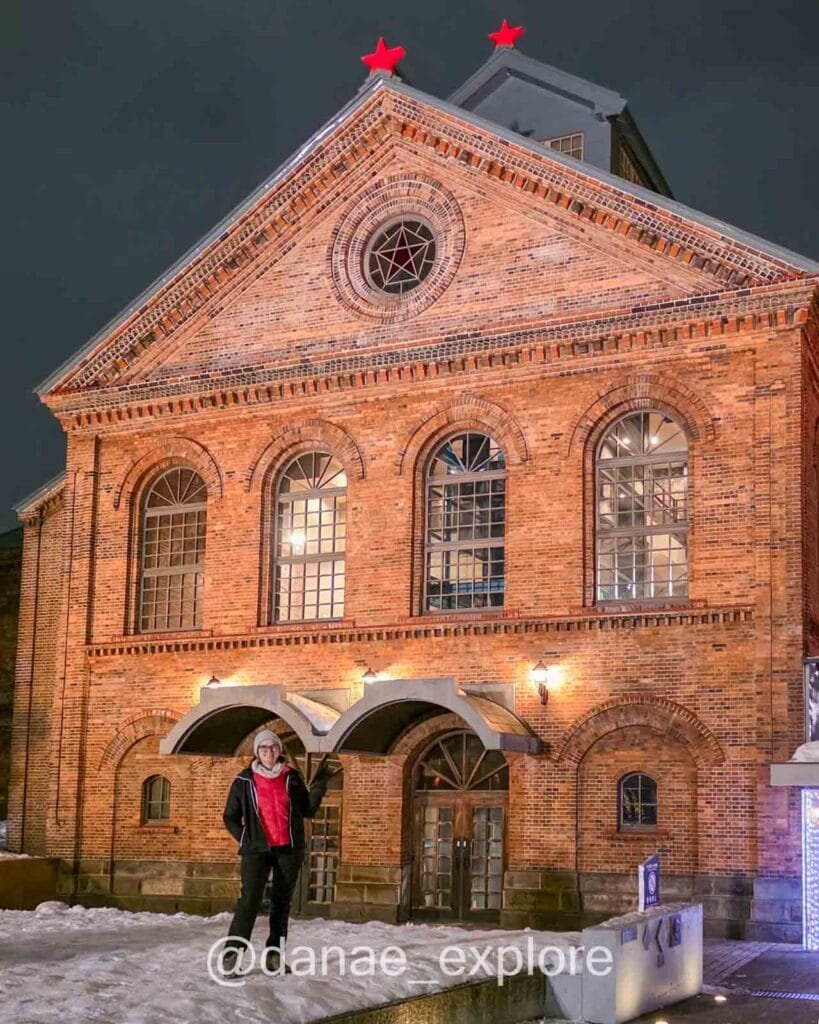
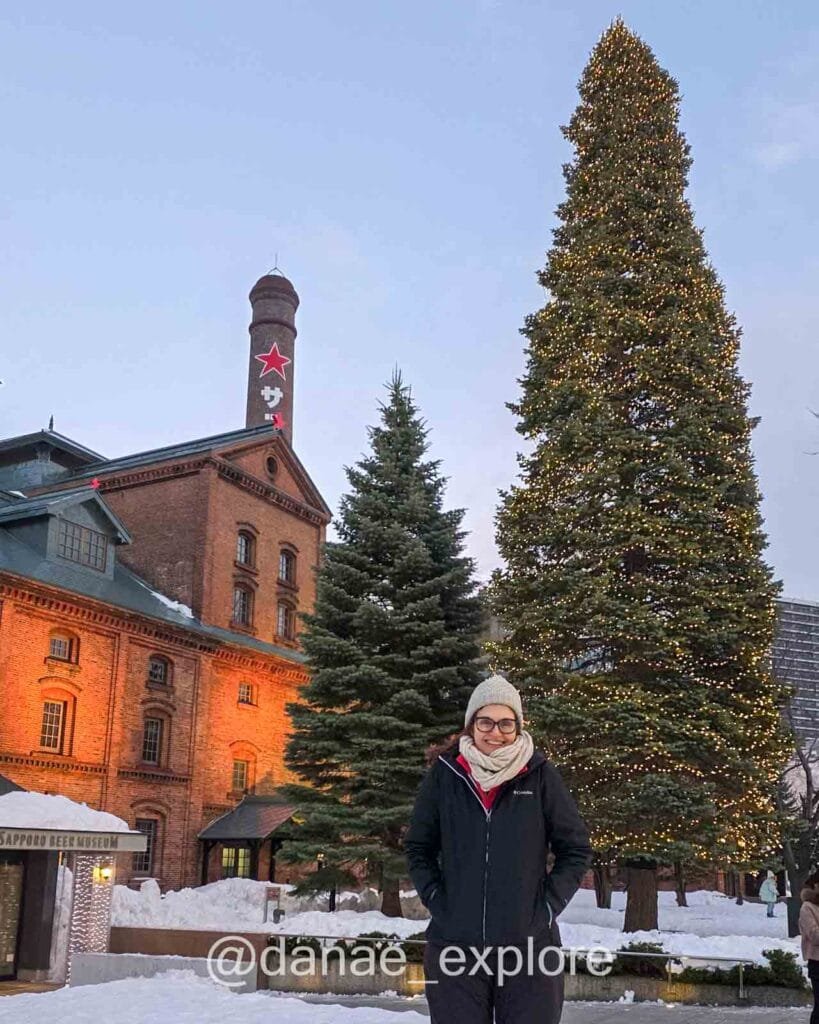
Sapporo Beer is another Japanese icon that, as the name suggests, originated in Sapporo. It’s worth visiting Japan’s most famous brewery, founded in 1876. It was part of the strategy to develop the island of Hokkaido (those early planners knew how to attract settlers: food and drink, and it’s still working today).
The tour is interesting, walking you through the brewery’s history, and the original red-brick building is beautiful. The highlight comes at the end: a tasting of three ice-cold beers. Access is by bus; check routes and schedules on Google Maps.
.
.
What to eat and drink in Sapporo
If there’s one place in Japan where eating is an experience in itself, that place is Sapporo. The local cuisine is hearty, comforting, and perfect for winter.
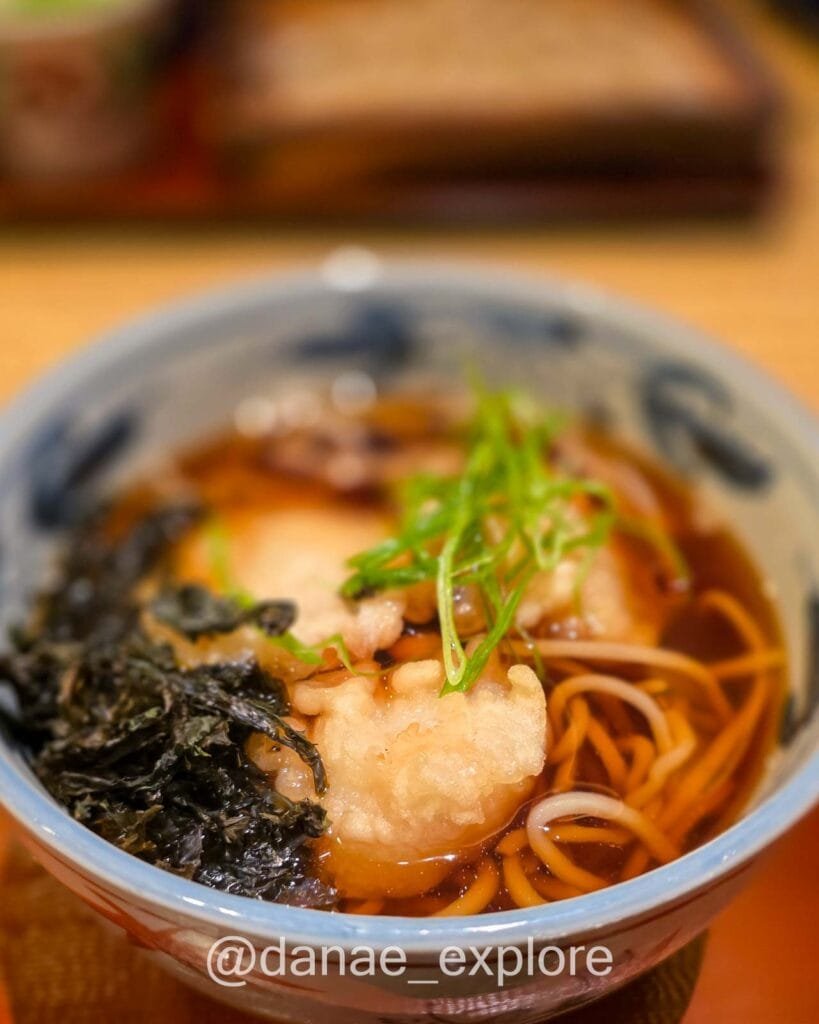
Miso ramen: Sapporo is the home of miso ramen. The rich, warm broth is exactly what your body craves after a day in the snow. Repeat mode on. On my trip map you’ll find several restaurants I recommend.
Seafood: Hokkaido is famous for the exceptional quality of its seafood — crab, sea urchin, scallops, all incredibly fresh. I went for miso ramen instead, but that’s a personal call; if you go for the seafood, come tell me about it on Instagram.
Matcha latte: I love matcha in all its forms, and in cold weather a matcha latte is an easy choice. There are countless cafés in Sapporo, and the best matcha latte I had on my entire trip (which later extended to other regions of Japan) was right here.
Sapporo Beer: And of course, drink straight from the source. The tour at the Sapporo Beer Museum ends with a tasting that’s worth every yen.
Nijo Market: A classic Japanese market, with those little stalls that make your mouth water and tempt you to try everything in sight.
Tanukikoji Shopping Street: A covered pedestrian street stretching eight blocks through the Susukino area, lined with shops and restaurants. In winter, it has the added bonus of being completely ice-free, a real relief for those of us used to warmer climates who struggle with icy sidewalks.
.
This is just the beginning, Japan has so much more to offer. Here on the blog, alongside our full 4-week itinerary from the first trip, you’ll find accommodation tips for Tokyo, day-trips from Tokyo, itineraries for Kyoto, Hiroshima and the charming post towns of Magome and Tsumago plus the Tateyama-Kurobe Alpine Route for those looking to get off the beaten path. If Japan is on your list, you already know where to start 😉
.
Map of our Sapporo itinerary (save it to your Google account)
You’ll find our full Sapporo itinerary and tips on the map below. Everything is organized to make planning easier — just click and save it to your Google account so you can use it when planning your trip to Japan.
.
How to use this map: Click the menu tab in the upper left corner of the map to access different layers, including points of interest and routes. You can toggle layers on and off by checking the corresponding boxes. To see details about specific locations, click on the icons on the map.
To save this map to your Google Maps account, just click the star icon next to the map title. To access it later on your phone or computer, open Google Maps, tap the menu button, go to “Your Places”, select “Maps”, and you’ll find this map saved there.
.
Sapporo: FAQs
Is it worth visiting Sapporo in winter?
Absolutely. The city combines great snow, exceptional food, and easy access to some of Japan’s best ski resorts, all without sacrificing the comfort and infrastructure of a large city. Even those who don’t ski will find plenty to do and eat.
How many days should I spend in Sapporo?
Two to three days for the city, plus as many days as you want on the slopes.
Where should I stay in Sapporo?
Susukino is great for those who want to be in the heart of the city’s food and nightlife scene. For those who prioritize convenience and access to the slopes, staying close to the central station is an excellent option.
What to do in Sapporo?
Sapporo has something for everyone: from the Clock Tower to the Sapporo Beer Museum, from Odori Park to the lively Ramen Alley. Set aside at least a day to explore the city — you’ll likely leave wanting more.
What are the main ski resorts near Sapporo?
The closest is Sapporo Teine, about 45 minutes from the city center by public transport. Other options include Kokusai, Kiroro, Rusutsu, and Niseko, the latter about two hours away.
What should I eat in Sapporo?
Miso ramen is a must — Sapporo is the birthplace of the dish. Hokkaido seafood is exceptional, and Nijo Market is also worth a visit.
Is skiing in Sapporo expensive?
Skiing anywhere in the world is expensive, and Japan is no exception. But staying in Sapporo and skiing at Teine (which is easily accessible by public transport) is one of the best ways to enjoy the experience without breaking the bank.
.
Here are the websites I always use to plan my trips:
– 🛌 Accommodation: Booking
– ☀️ Tours & activities: Civitatis & Get Your Guide
– 📱 eSIM for mobile data: Airalo e-SIM – use promo code DANAE2375
– 🚗 Car rental: RentCars – use promo code DANAE, or DiscoverCars
Check out all our posts about traveling in JAPAN:
- 4-week Japan itinerary: the best of Japan for a first trip to the Land of the rising sun
- Where to stay in Tokyo
- Beyond Tokyo: 7 day-trips that live up to the hype
- The best of Kyoto: what to do in 4 or 5 days in Japan’s ancient capital
- Tateyama Kurobe Alpine Route – Your ultimate guide to the journey crossing the Japanese Alps
- Nakasendo Road, from Magome to Tsumago, the most beautiful villages of medieval Japan
- Hiroshima: 2-day itinerary, with a day trip to Miyajima
- Sapporo: complete itinerary and tips for skiing in Hokkaido
- 10 things you need to know before traveling to Japan
.
Here are our posts about other destinations in Asia:
- 3-week itinerary through Southeast Asia – the best of Thailand, Laos and Cambodia
- Siem Reap and Angkor Wat in Cambodia
- New Year’s Eve in Siem Reap, Cambodia
- What to do in 3 days in Luang Prabang
- The best of South Korea: 7-10 day itinerary
.
Did you like these tips? Then follow me on social media:
Instagram @danae_explore
Pinterest @danaeexplore
Comments or questions? Contact me on social media! I love to chat about travel 😉