I have to admit something: at first, Laos wasn’t part of our Southeast Asia itinerary. We had a limited number of vacation days and a long list of places we wanted to visit.
But a close friend who had spent several months traveling in Southeast Asia and had fallen in love with this small, landlocked country convinced us to give it a chance.
So we added Laos to our three-week Southeast Asia trip, and I’m so glad we did! We spent amazing days in Luang Prabang. Despite arriving with low expectations, we left feeling completely awestruck.
After our experience, I’ve put together a complete guide to help you plan 3 days in Luang Prabang, with everything you need to know: how to get there, where to stay, and what to do.
First of all, follow me on Instagram @danae_explore – that’s where you can keep up with my trips, find lots of travel tips, and send me a DM anytime. I love chatting about travel!

How to get to Luang Prabang
We were in Siem Reap, Cambodia, and took a Lao Airlines flight to Luang Prabang with a short stopover in Pakse.
The layover in Pakse was very quick. We had to disembark, go through immigration, and then board the same aircraft. Even though most passengers were foreigners, the visa-on-arrival and immigration process was relatively fast. They just asked us how many days we were staying in Laos and which town.
Once our visas were approved and our passports stamped, we went through another security check and waited in another room for our boarding call. The airport was a bit outdated and small, but we had no issues.
The flight left Siem Reap at 12:25 pm and arrived in Luang Prabang at 4:00 pm. We had arranged a transfer from the airport to our hotel in advance.
When it was time to leave Luang Prabang, we took a direct flight to Bangkok on Thai Smile, a 1.5-hour flight that departed Luang Prabang at 11:20 am and arrived in Bangkok at 12:50 pm. While researching this post, I found that there are also direct flights between Luang Prabang and Vientiane, the capital of Laos.
Luang Prabang is also easy to reach by bus or boat. One of the most scenic options is a slow boat journey down the Mekong River from Thailand (from Chiang Mai or other towns along the river) to Luang Prabang. It’s a long but very scenic journey.
Planning a trip to Southeast Asia? I’ve been to the region three times and highly recommend it. Here on the blog, you’ll also find posts about Thailand, Cambodia, and Laos.
.
Currency and exchange
The currency of Laos is the kip. US$1 = 22,000 kip (April, 2026).
You’ll need to exchange money (or withdraw from an ATM), as with a few exceptions, payments in dollars or euros are not accepted. Only a few places accept credit cards.
It’s worth noting that larger US bills, such as US$100 and US$50, often get slightly better exchange rates than smaller bills. We didn’t notice the same difference with euro bills.
.
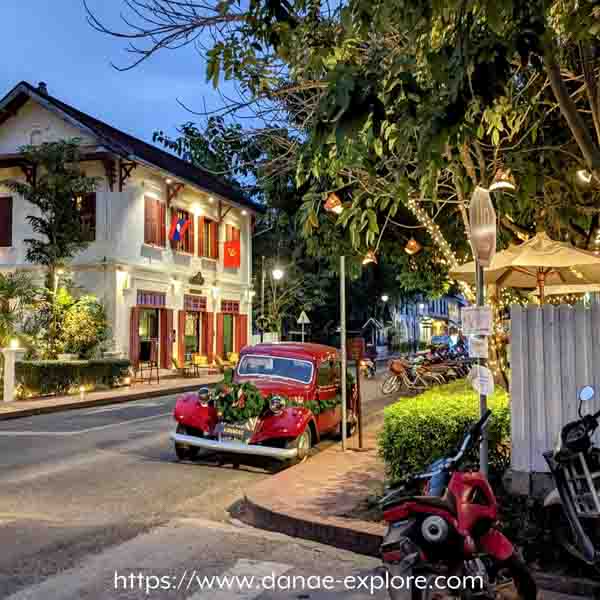
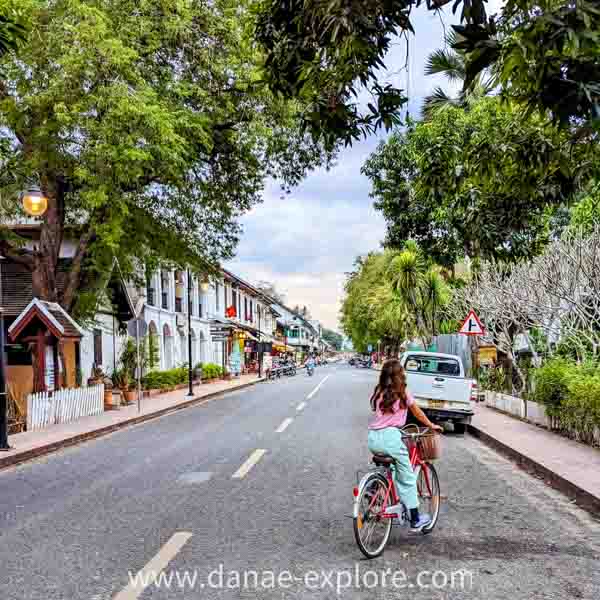
.
Language
Although English isn’t widely spoken and most locals have only a basic understanding of it (except for tour guides), we were still able to communicate effectively in English during our trip to Laos.
.
Where to stay in Luang Prabang
We stayed at Vila Mahasok Hotel, a fairly modest hotel located about a four-block walk from the night market. The rooms were simple but clean, and the breakfast had limited options, but it was enough, though the coffee wasn’t great. The staff spoke very little English, which made communication a bit challenging, but it was manageable. Overall, it was a basic but decent stay.
There are plenty of other accommodation options in town. The French Quarter, which is the main tourist area, has many places to stay, and you’ll be within walking distance of restaurants, bars, and the town’s main attractions. Despite being a touristy area, it’s still peaceful and doesn’t feel overcrowded.
In general, we found accommodation in Luang Prabang to be simpler than what we experienced in Thailand and Cambodia.
Check hotel availability and rates here:
.

.
What to do in Luang Prabang in 3 days
During our 3 (and a half) day stay in Luang Prabang, we managed to cover a lot of ground and had a great time exploring the town. Here’s a breakdown of what we did:
Day zero (day of arrival)
We arrived late in the afternoon, and after checking in at the hotel, we walked to the main tourist area, which is lovely to stroll around.
For dinner, we tried L’Elephant, a French and Laotian fusion restaurant, it was simply divine! Although it was a bit more expensive than most places in town, we felt the experience was worth it.
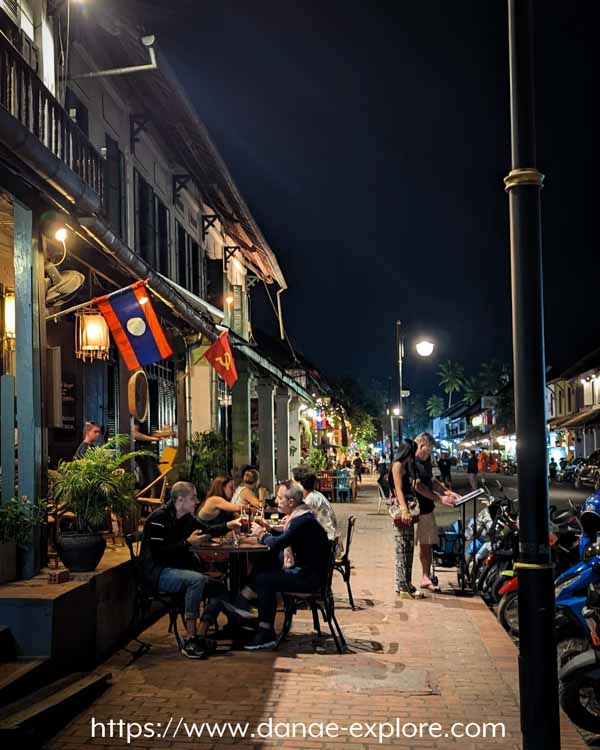
Alternatively, Sisavangvong Road is lined with bars and restaurants, and the night market has plenty of budget-friendly options. In fact, eating at the night market is the cheapest option.
Note: everything we did on that day can easily be done on any other day.
.
1st day: – Kuang Si Waterfalls and Pak-Ou Caves
KuangSi Waterfalls and Moon Bear Sanctuary
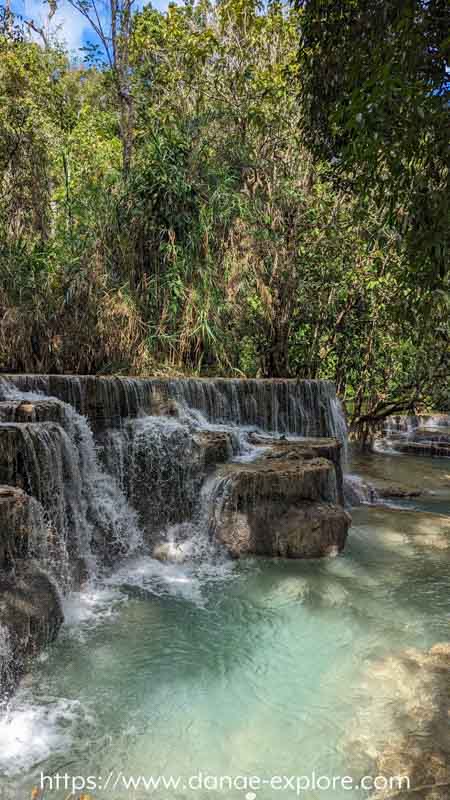
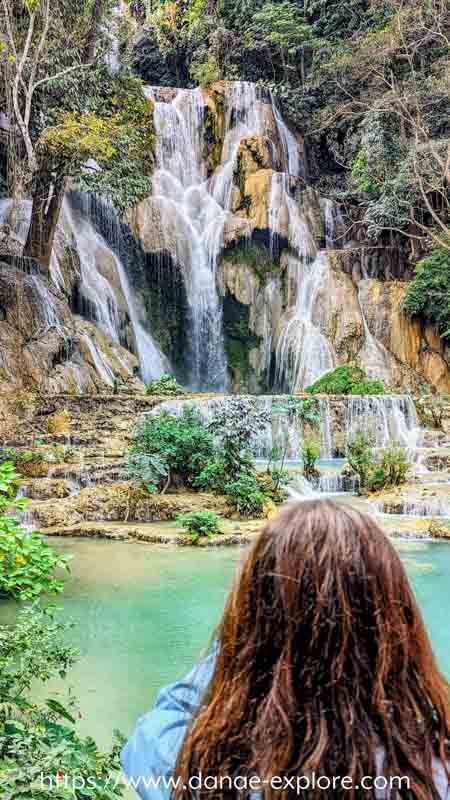
In the morning, we visited the turquoise-blue KuangSi Waterfalls and the Moon Bear Sanctuary, a must-see in any trip to Luang Prabang.
Getting there takes about a 40-minute drive from Luang Prabang to the parking area. From there, an electric shuttle (included in the entrance fee) takes you to the start of the trail. The path is short and begins on the right, with the Moon Bear Sanctuary.
A few meters ahead,the first of a series of waterfalls appears, each one more beautiful than the last. It’s worth noting that there are only a few spots where swimming is allowed, and they are located near the beginning of the trail, so make the most of them. There are changing facilities on site.
The final waterfall is the largest and most impressive, and definitely worth the visit. From there, it’s a short downhill walk back to the parking area.
We booked this tour through the hotel, but several agencies in town offer the same experience, and it’s also possible to go by tuk-tuk.
.
Hmong Village
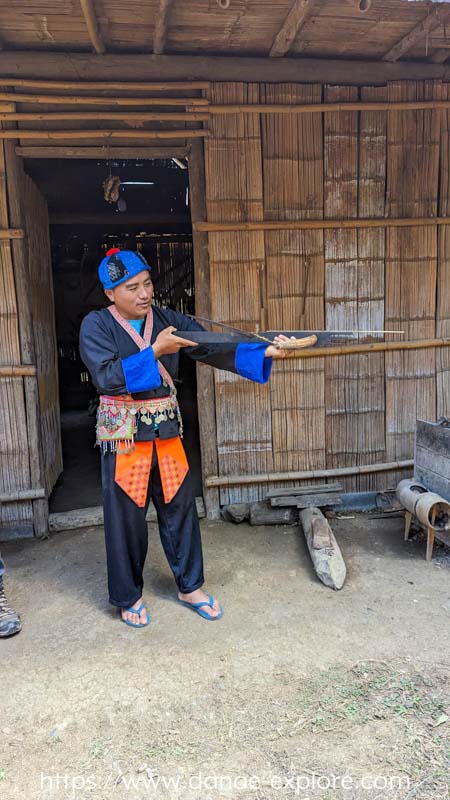
On the way back to Luang Prabang, we stopped at a Hmong village to learn more about their way of life. The visit was fascinating, and we had the chance to see how the community still relies on agriculture and maintains long-standing traditions. We also visited a small museum showcasing traditional houses and everyday objects, which helped us better understand their culture.
After our morning at KuangSi, the tour returned toward Luang Prabang before heading to our afternoon stop, the Pak Ou Caves.
.
Manifa Elephant Camp
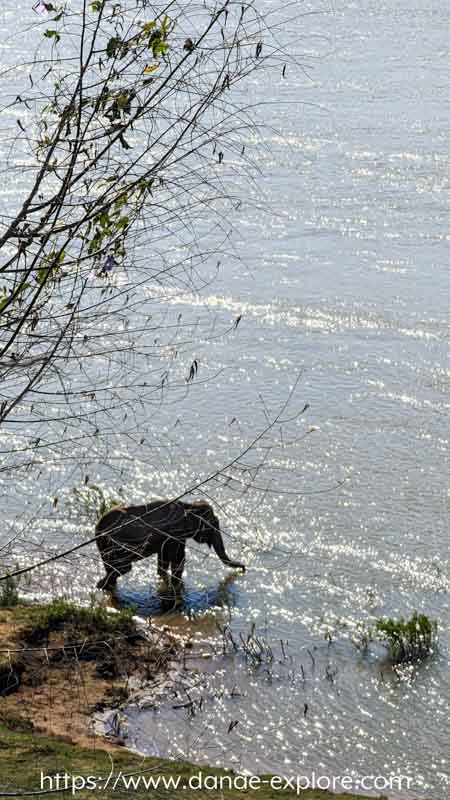
We had lunch at Manifa Elephant Camp, where we could see elephants roaming freely. If seeing elephants is part of your plan, it’s important to make sure the place follows ethical practices. Unfortunately, many establishments still exploit animals, and we didn’t want to support that.
.

.
Mekong River Boat Trip and Pak Ou Caves
After lunch, we took a scenic boat ride along the Mekong River, passing the Pha Hung and Pha An cliffs before reaching the Pak Ou Caves.
These caves are considered sacred by locals and are filled with thousands of Buddha statues, most of them made of wood. We were impressed by the level of detail and craftsmanship.
We explored part of the caves and followed a short trail up to a higher section, which offered beautiful views of the surrounding landscape. On the way back, we stopped briefly at a small village that specializes in rice whiskey production, where we learned about the process and sampled some of the drinks.
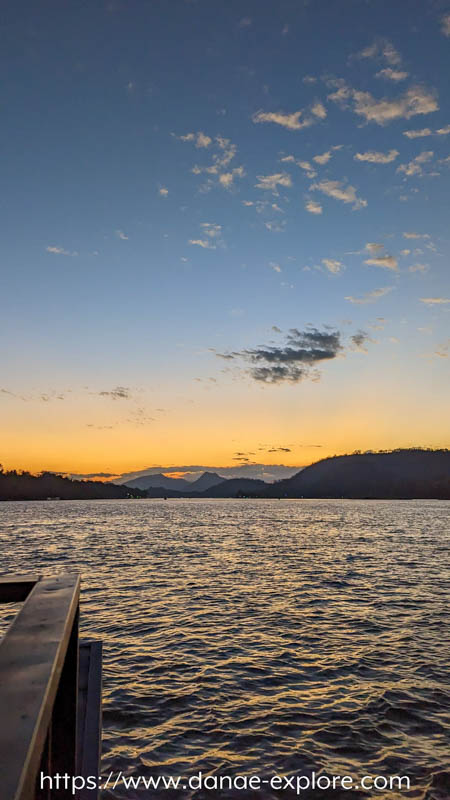
As we sailed downriver at sunset, we were treated to a beautiful view of the landscape. The boat arrived in central Luang Prabang early in the evening, and it was the perfect way to end the day.
.

.
2nd day: exploring Luang Prabang
This was a temple-hopping day and a cooking class in the evening in Luang Prabang.
We woke up early to witness the alms-giving ceremony, which takes place on Sisavangvong Street. In this ceremony, locals and visitors offer rice to the monks, which will be their main meal of the day. Although it has become quite touristy, it’s still a moving experience and a great opportunity to learn about Buddhist traditions and culture. If you choose to participate, please remember to be respectful to the monks and locals.
.

.
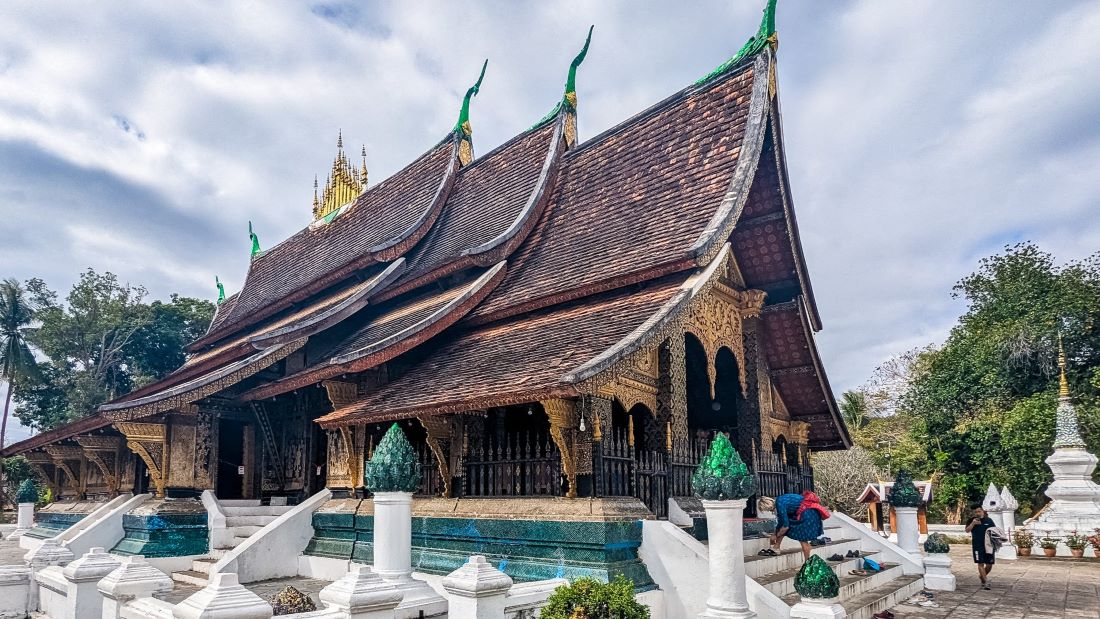
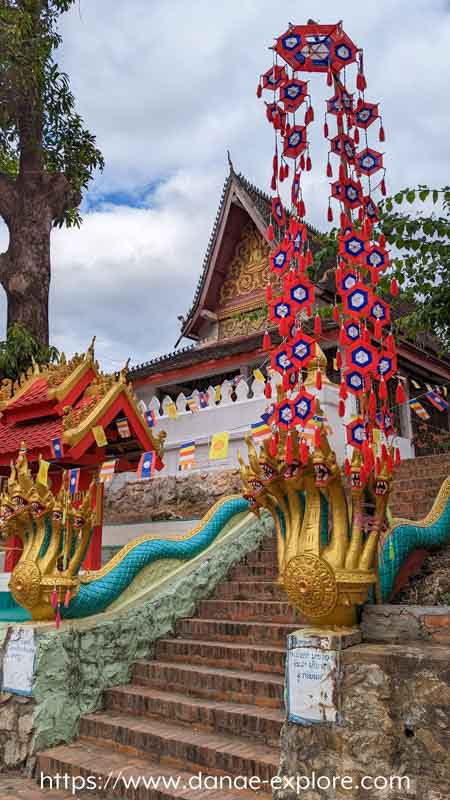
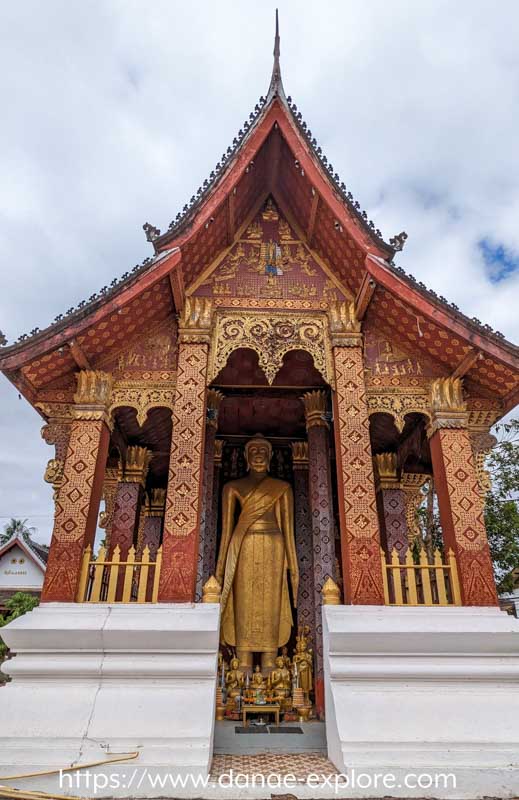
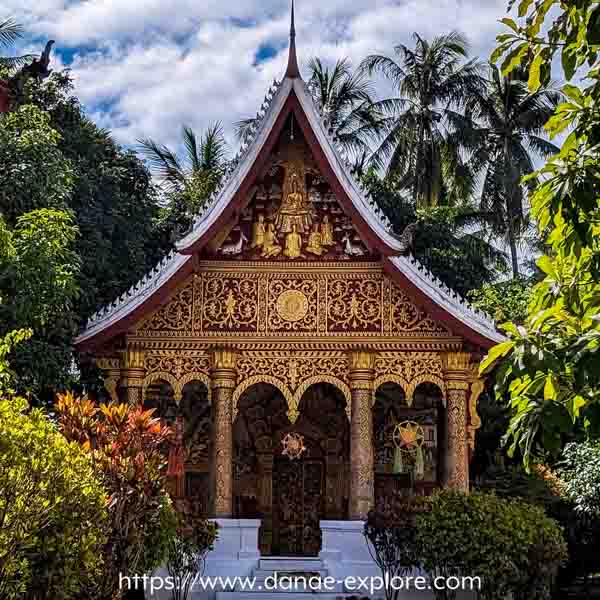
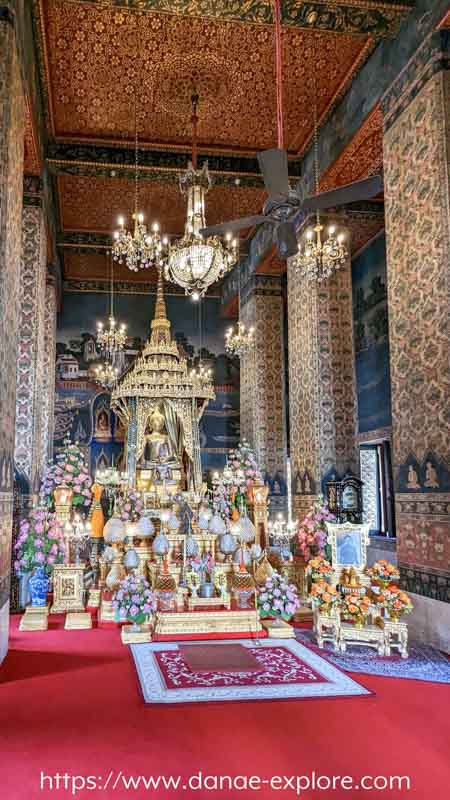
After breakfast, we set out to explore the many temples in town. Wat Xieng Thong is the most famous and impressive one, but we also visited other beautiful temples such as Wat Mai, Wat Sensoukharam, Wat Visunarat, and Wat Nong. Luang Prabang’s narrow streets and alleys are full of surprises, and we stumbled upon new temples at every turn.
In the late afternoon, we took a cooking class at Tamarind Laos, a highly recommended restaurant in Luang Prabang. We learned how to cook traditional Laotian dishes using local ingredients and techniques. It was an enjoyable and informative experience, and we got to enjoy the delicious meal we prepared afterwards. There are other cooking classes in Luang Prabang with a similar format.
.

.
3rd day: Royal Palace, National Museum, Mount Phousi, Bamboo Bridge
Royal Palace and National Museum
We visited the Royal Palace and National Museum in the morning (note that it closes for lunch).
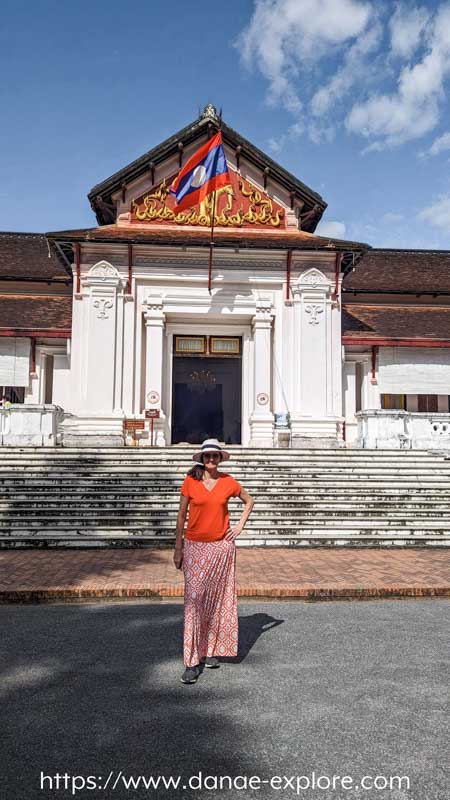
Built in 1904 as the Royal Palace of King Sisavang Vong and his family, the building is a blend of traditional Lao and French styles. After the king’s death, the palace was occupied by Crown Prince Savang Vatthana and his family until the 1975 revolution. When the communist government took over, the building was converted into a national museum and opened to the public in 1995.
Inside the museum, there is an 83 cm Buddha statue called Phra Bang (from which Luang Prabang gets its name). The statue is made of gold, silver, and bronze, and according to legend, it was created in Sri Lanka in the first century and later given as a gift by a Khmer king to his son-in-law, King Fa Ngum, in 1359.
It was fascinating to learn about Laos’ relatively recent monarchical history while exploring the museum. The throne hall was particularly impressive, featuring stunning mosaics (similar to those found in Wat Xieng Thong) depicting the history of the kingdom and Lao legends, and in the adjoining rooms, murals showing scenes of traditional Lao life. Unfortunately, photography is not permitted inside the museum.
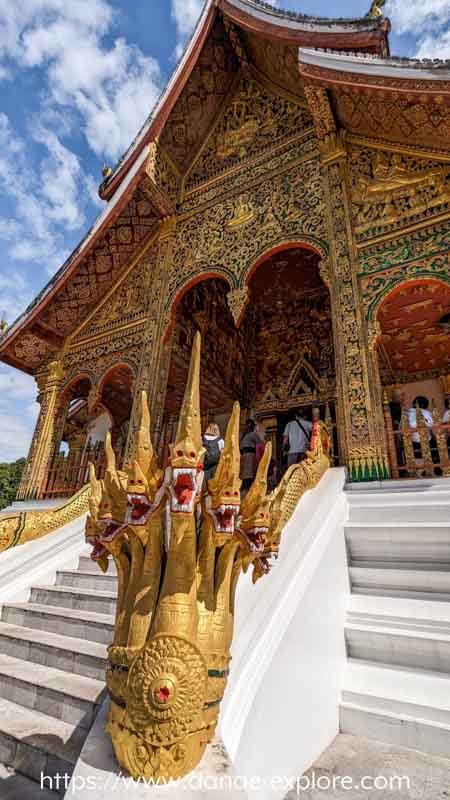
Also located within the Royal Palace complex is the beautiful Haw Pha Bang Temple. It’s worth a visit, even if you can’t go inside — at least when we were there.
.


.
Mount Phousi
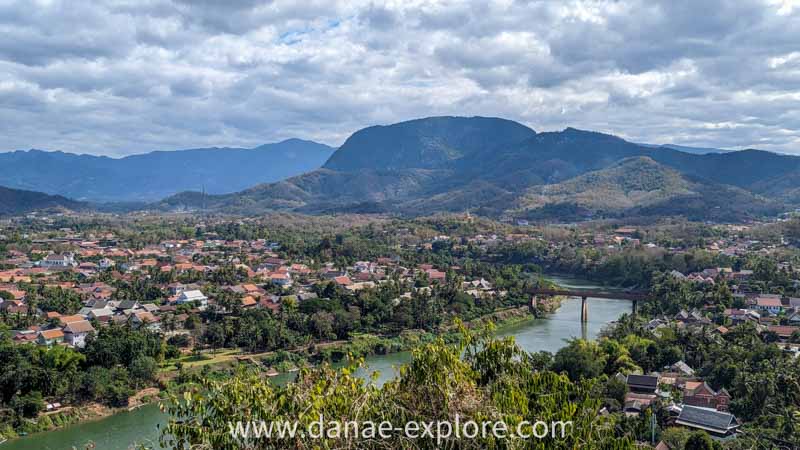
In front of the National Museum, you’ll find one of the access points to Mount Phousi, the hill that dominates downtown Luang Prabang. It’s definitely worth the climb for panoramic views of the entire area. While many say the sunset from here is beautiful, we didn’t get to see it ourselves.
We crossed the Nam Khan River via the bamboo bridge, which is only built during the river’s low season. As the water rises, the bridge is removed and rebuilt the following year. For lunch, we went to a restaurant (unfortunately, I didn’t note the name) located at the end of the bridge, with a beautiful view of the river.
.
.
After lunch, we rented bikes to explore the town. We also had time for a massage and dinner, and then finished the day watching a storytelling show at Garavek Traditional Storytelling Theater, and it was one of the most interesting activities we did in Luang Prabang. I highly recommend it — the stories are told in excellent English.
If you only have two days in Luang Prabang, you could condense the schedule for days 2 and 3 into a single day, but keep in mind that you might have to skip some sights.
.
.
Map with detailed trip itinerary
The map below shows all the details of our 3-week Southeast Asia trip. It includes everything we did in Luang Prabang and the region: where we stayed, restaurants, cafés, tours, and attractions. In short, everything is already there — just click and save it to your Google account. When you plan your next trip to Southeast Asia, you already know where to start 😉
How to use this map: Click the menu tab in the upper left corner of the map to access different layers, including points of interest and routes. You can toggle layers on and off by checking the corresponding boxes. To see details about specific locations, click on the icons on the map.
To save this map to your Google Maps account, just click the star icon next to the map title. To access it later on your phone or computer, open Google Maps, tap the menu button, go to “Your Places”, select “Maps”, and you’ll find this map saved there.
Here are the websites I always use to plan my trips:
– 🛌 Accommodation: Booking
– ☀️ Tours & activities: Civitatis & Get Your Guide
– 📱 eSIM for mobile data: Airalo e-SIM – use promo code DANAE2375
– 🚗 Car rental: RentCars – use promo code DANAE, or DiscoverCars
.
Here are our posts about our favorite destinations in Asia:
Thailand
Cambodia
Laos
South Korea
Japan
- 4-week Japan itinerary: the best of Japan for a first trip to the Land of the rising sun
- Where to stay in Tokyo
- Beyond Tokyo: 7 day-trips that live up to the hype
- The best of Kyoto: what to do in 4 or 5 days in Japan’s ancient capital
- Tateyama Kurobe Alpine Route – Your ultimate guide to the journey crossing the Japanese Alps
- Nakasendo Road, from Magome to Tsumago, the most beautiful villages of medieval Japan
- Hiroshima: 2-day itinerary, with a day trip to Miyajima
- Sapporo: complete itinerary and tips for skiing in Hokkaido
- 10 things you need to know before traveling to Japan
.
Did you like these tips? Then follow me on social media:
Instagram @danae_explore
Pinterest @danaeexplore
Comments or questions? Contact me on social media! I love to chat about travel 😉
And before you go, don’t forget to SAVE THIS PIN to your PINTEREST account for easy access to this post on what to do in 3 days in Luang Prabang, Laos, whenever you need it!