Traveling to Japan requires planning; after all, it’s not every day that you travel to the other side of the planet. The more you know about the country, the better your experience will be (in fact, this applies to any destination).
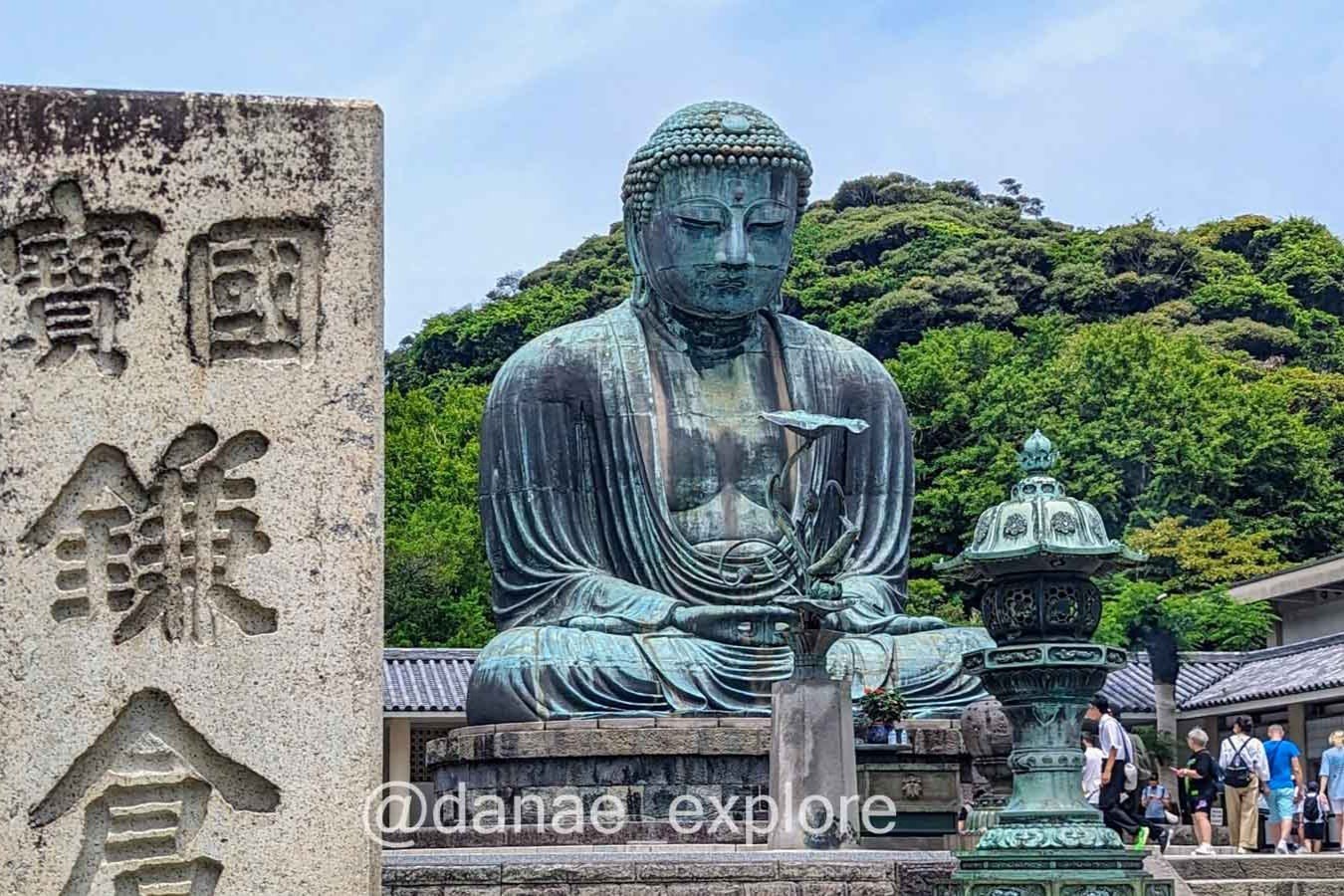
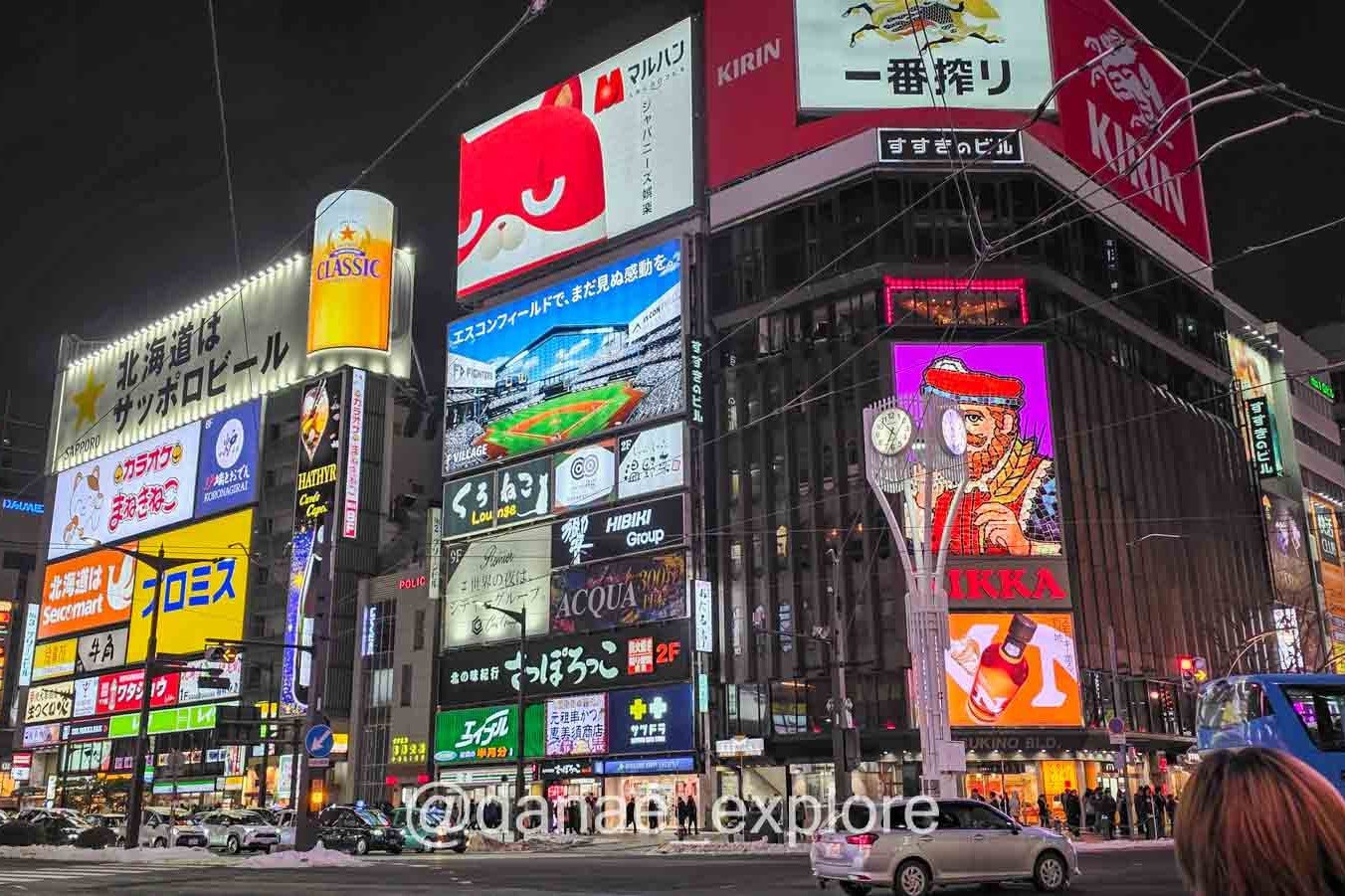
On our first trip, we spent a month in Japan and made the most of everything it has to offer: centuries-old temples in Kyoto, Tokyo’s vibrant energy (and some unforgettable day trips), the powerful history of Hiroshima, and the stunning landscapes of the Japanese Alps and the Nakasendo Road. We liked it so much that we returned in winter to discover another side of the country, including a few days in Sapporo, on the island of Hokkaido, the northernmost in Japan.
Japan offers a captivating diversity, but it does require planning if you want to make the most of it.
First of all, follow me on Instagram @danae_explore – that’s where you can keep up with my trips, find lots of travel tips, and send me a DM anytime. I love chatting about travel!
It’s not just about putting together the perfect itinerary for your trip to Japan. It’s essential to have an overview of how the country works, how tourists should behave, and what you need to do before and during your trip. Besides showing respect for the country and its people, this will save you countless hassles.
In this post, I’ve listed ten things you should know before visiting Japan, whether to avoid awkward situations or offending someone, but mainly to help ensure a smooth trip without surprises or unnecessary headaches.
.
10 things you need to know before traveling to Japan
.
1 – Silence on public transport
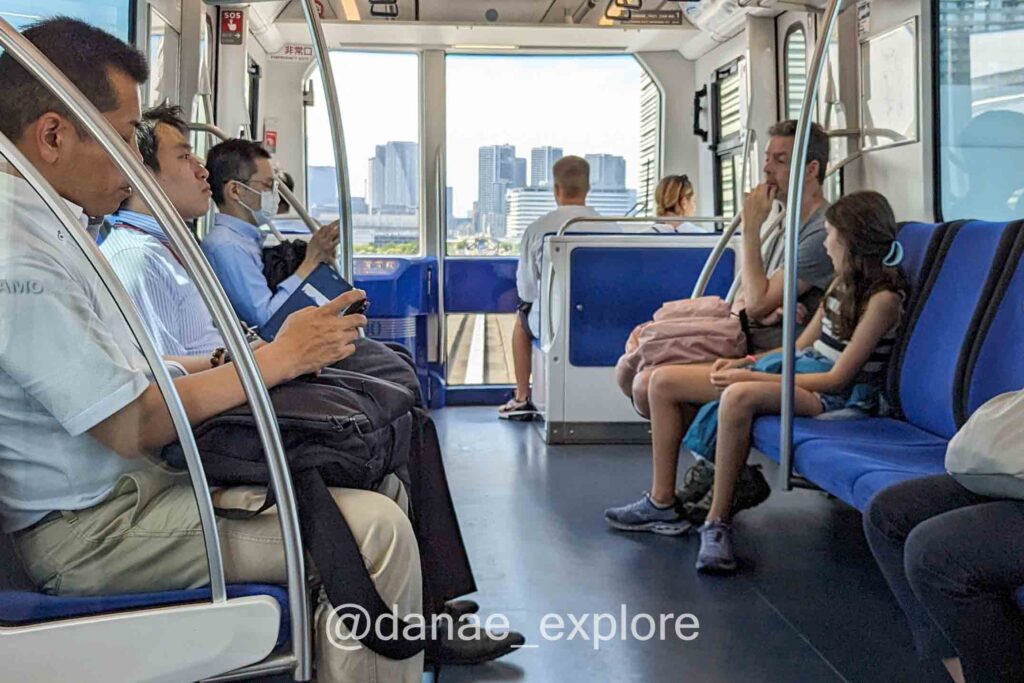
We tend to be a lively bunch, but it’s best to tone it down when using public transport in Japan.
In Japan, silence is the norm, and it’s expected. Don’t talk, don’t shout, don’t sing, and absolutely keep your phone on silent mode. If you want to listen to music, a podcast, or take a call, use headphones and keep your voice down.
Honestly, if I could bring one Japanese custom back home, it would be this one. I found the calm and respectful atmosphere on public transport absolutely amazing.
.
2 – Always have cash on hand
Despite being one of the most technologically advanced countries in the world, many places in Japan still only accept cash (yen), especially small restaurants and traditional shops.
One ryokan where we stayed (the most authentic part of the trip) was cash only, as were some of the delicious restaurants in Tokyo, not to mention places in the many small towns we passed through.
We brought cash in US dollars, but the easiest and most practical way we found to exchange money was at ATMs (there are thousands of them, on the street or in convenience stores). We transferred money to a multi-currency account, converted it into dollars, and withdrew it in yen for a fixed fee per transaction (¥200 per withdrawal). Before traveling, check the fees and withdrawal limits with your bank.
On our second trip to Japan (2026), we noticed that cards were accepted more widely, but we still came across several cash-only places.
.
3 – Convenience stores will save you
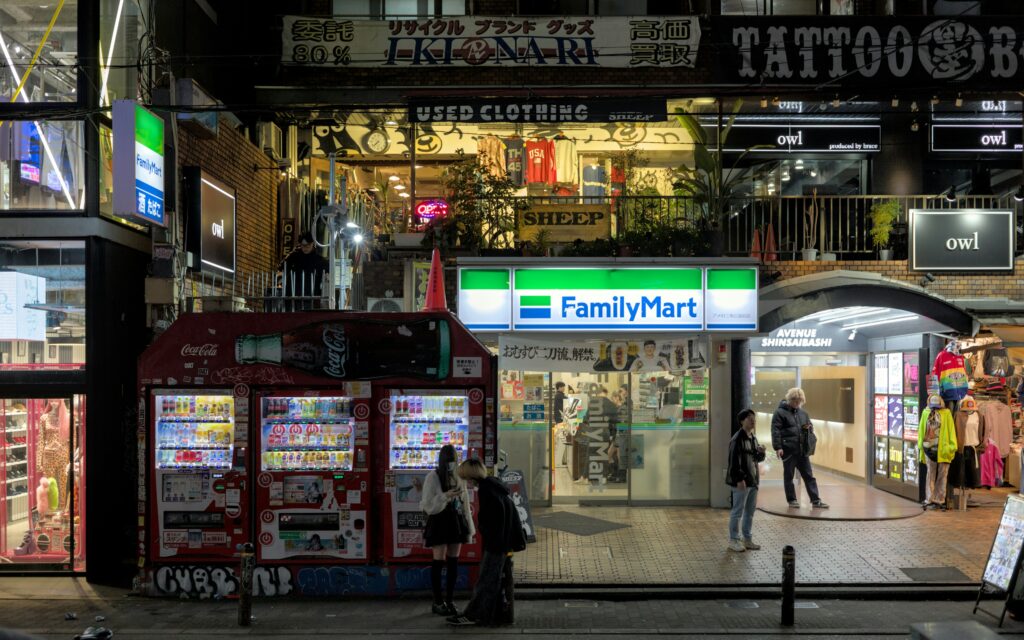
The omnipresent konbini. They’re amazing: they’re always open and sell absolutely everything. Everything!
The food is great, always fresh, very reasonably priced, and has saved us more than once. How many times have we ended a busy day exhausted, longing for a shower and some rest, with no energy for anything else and the konbini saved us! It may not have been the best dinner of the trip, but the convenience and value for money were unbeatable.
They’re easy to find; the main chains are 7-Eleven, FamilyMart, and Lawson, but there are many others. Enjoy!
This is just the beginning. Japan has so much more to offer. Here on the blog, besides our 4-week itinerary from our first trip, you’ll also find accommodation tips for Tokyo and the best day-trips from Tokyo, what to do in Kyoto and Hiroshima and Miyajima, as well as posts about the charming villages of Magome and Tsumago and the Tateyama-Kurobe Alpine Route, for those who want to venture a little off the beaten path. Not to mention the possibility of skiing in Sapporo, on the island of Hokkaido. Let’s make this trip happen!

.
4 – Be responsible for your trash
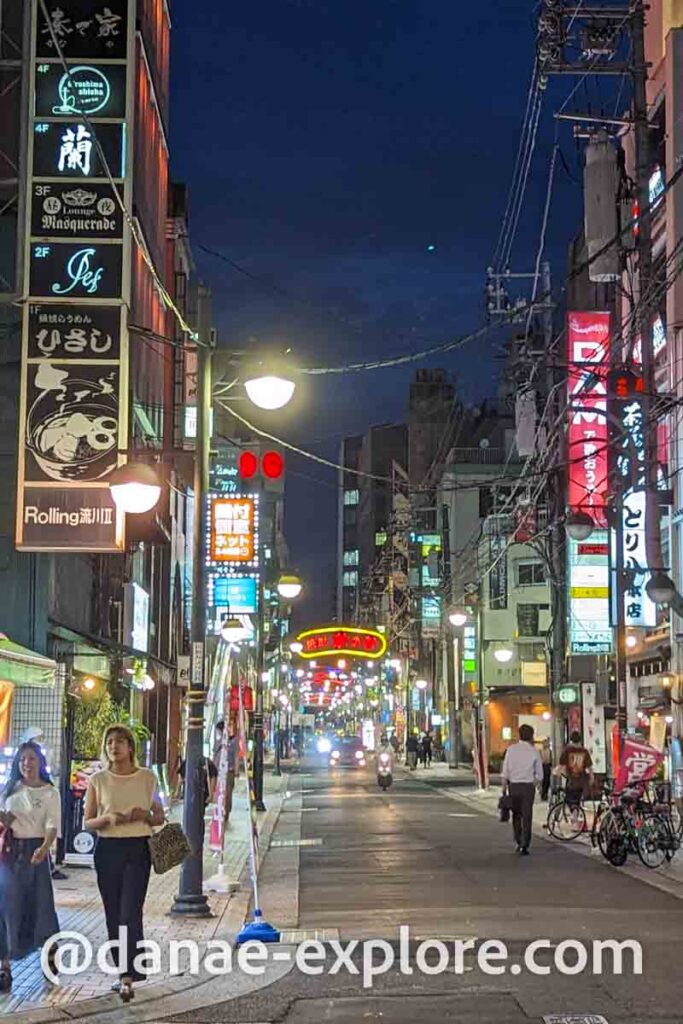
We all know that the streets in Japan are impeccably clean. Now, what really caught my attention was this: there are no trash cans on the streets, or in train and subway stations. If we saw even one trash can during the entire trip, that was a lot.
The Japanese take care of their own trash. They carry it in a small bag and throw it away at home.
When choosing what to pack, always keep a small bag handy and take all the trash you produce back to your hotel.
Another interesting thing is that in some public restrooms, there are no paper towels or hand dryers. Each person brings their own hand towel: hygiene without waste and without wasting energy! We just walked around with wet hands until, at our hotel in Toyama, we were given a fluffy towel as a free gift, and it became our faithful companion.
.
.
5 – No eating while walking
One cultural habit in Japan that really stood out to me was that people don’t eat while walking down the street or on the subway, bus, or train.
Eating on the go is considered impolite. If you buy something to eat, you either eat it right there, near the store, kiosk, or vending machine, or take it home or back to your hotel.
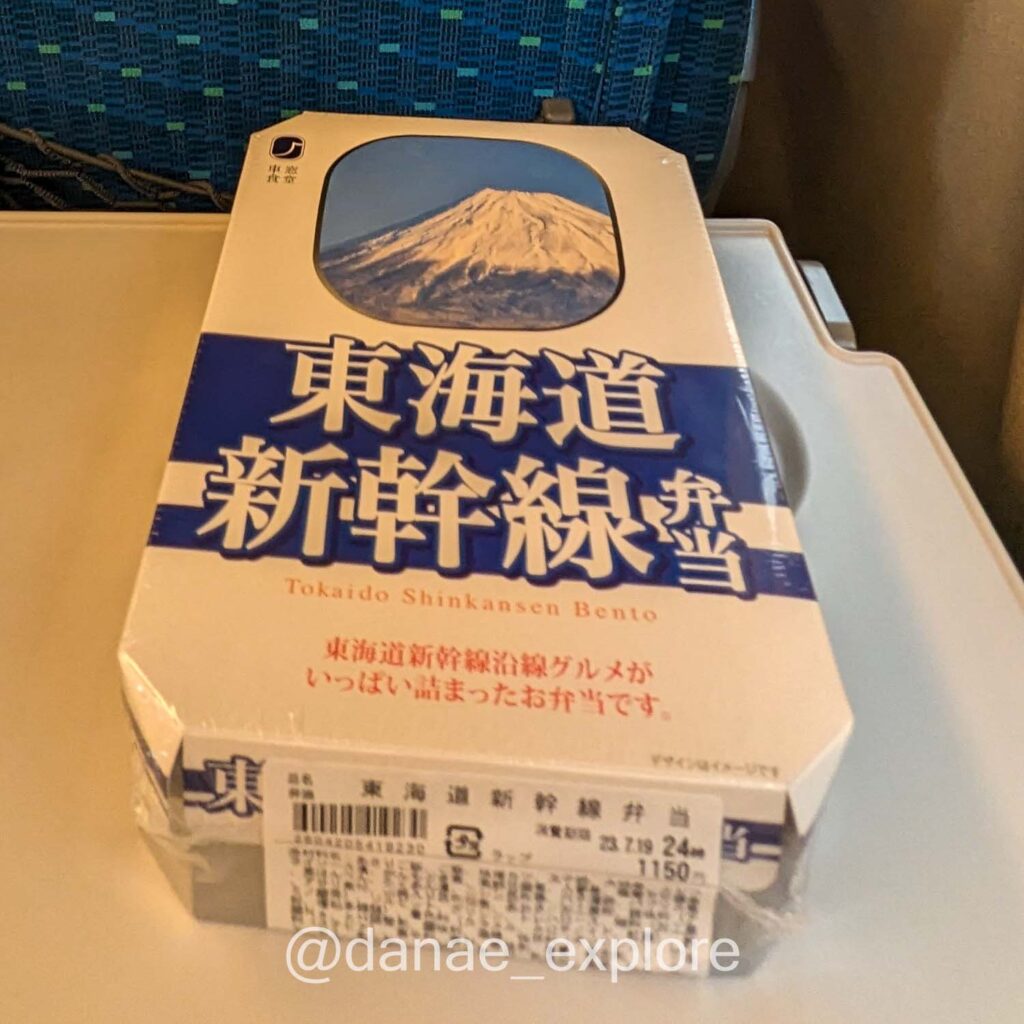
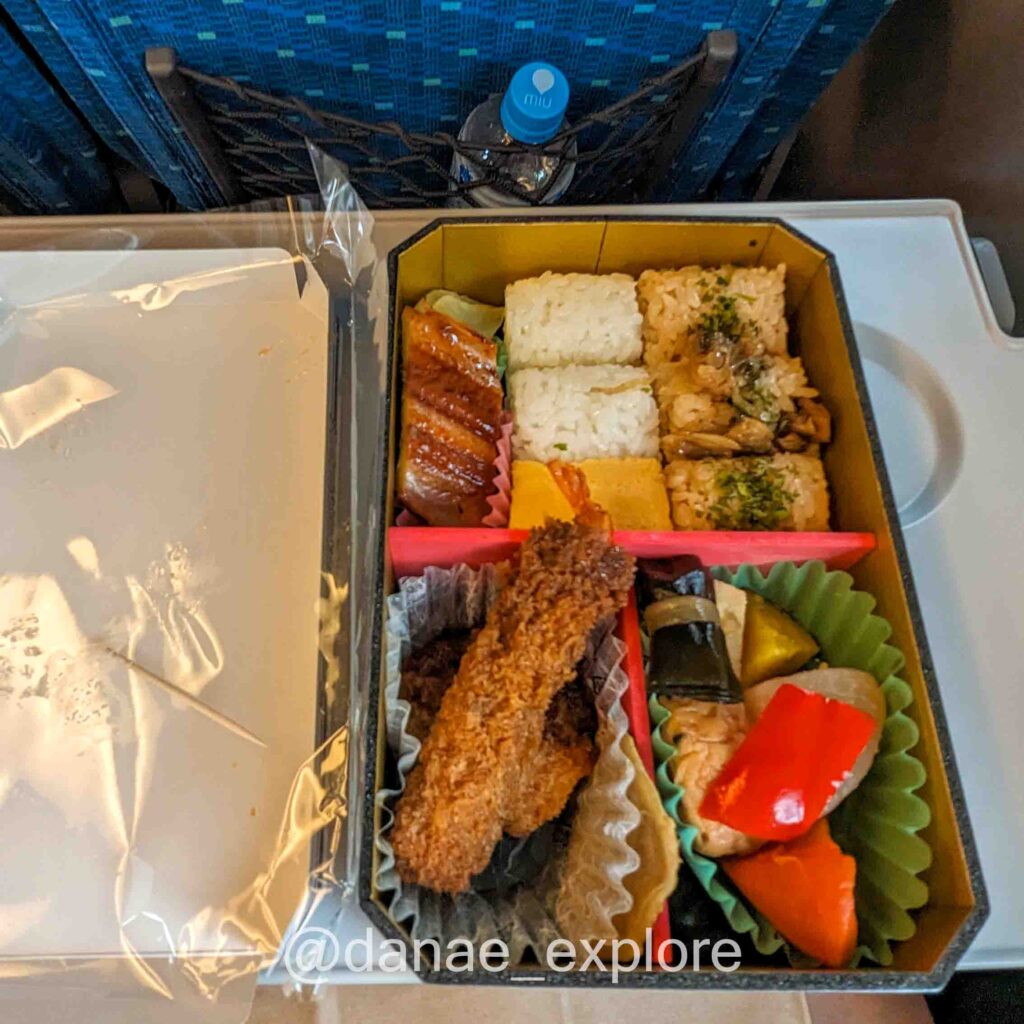
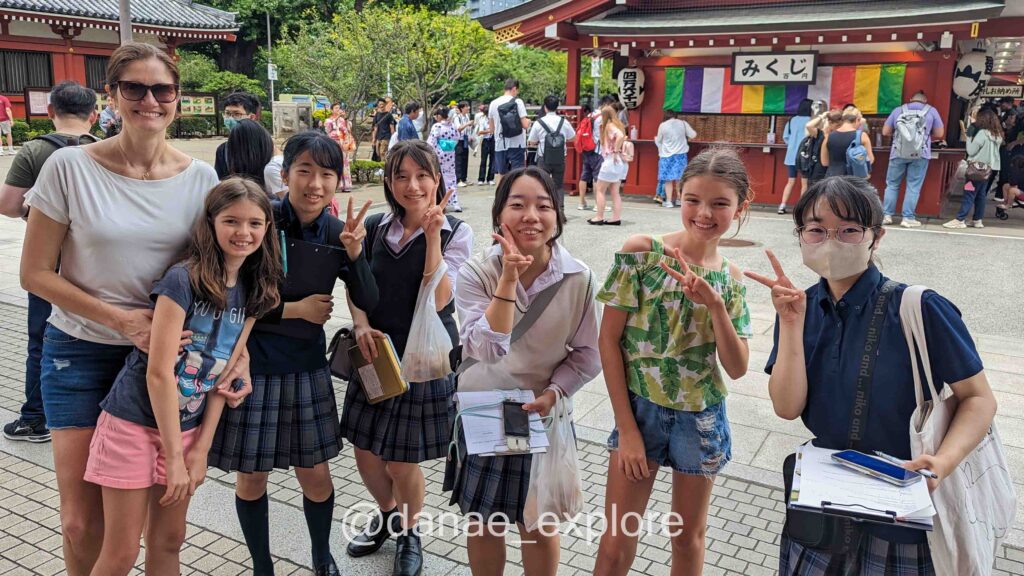
The one exception is the Shinkansen (bullet train), where eating is perfectly normal and widely accepted. In fact, stations usually have shops selling ready-made meals specifically for train rides, like the adorable ones in the photo above, themed around the Tokaido Shinkansen line, which runs past Mount Fuji between Tokyo and Nagoya.
.
.
6 – Language: little English, lots of kindness
Despite the efforts to promote English ahead of the 2020/2021 Olympics, the truth is that most people in Japan don’t speak English, and those who do usually speak only a little.
But the friendliness and kindness of the Japanese make any language barrier feel much smaller. Of course, Google Translate is essential, but with a little patience and goodwill, you probably won’t have any communication problems in Japan. At least, we didn’t.
You’ll also find signs in English, especially in metro and train stations and at tourist attractions, which helps a lot.
Planning a trip to Japan? Then you’re in the right place! We’ve been there twice, and I’m sharing itineraries and all my Japan posts here on the blog and over on Instagram. To get started, check out our full itinerary from our first trip (in summer), as well as where to stay in Tokyo and Kyoto.
7 – No tipping required
In Japan, there’s no tipping culture. Good service is already built into the prices. In fact, leaving a tip can come across as strange or even offensive.
We heard that if you leave money on the table, the waiter might run after you thinking you forgot it. We didn’t test that ourselves, but honestly, I can believe it!

.
8 – One dish per person
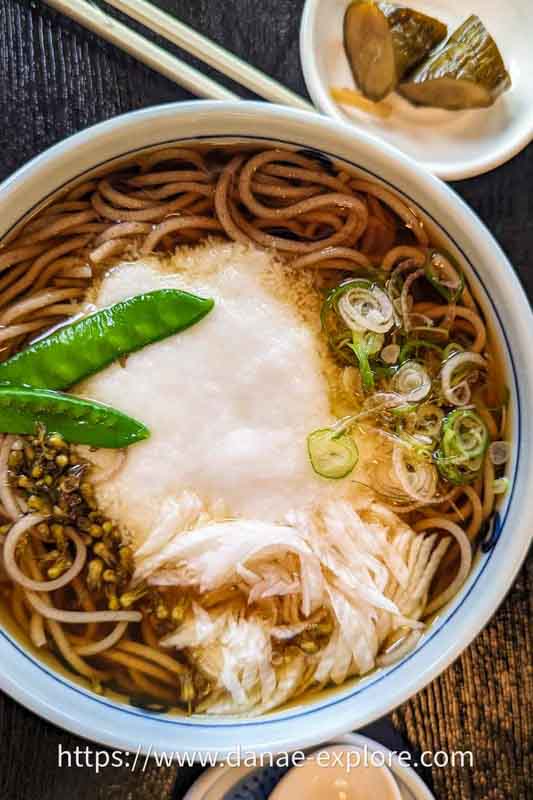
In most restaurants, the rule is one dish per person. In some places, you’re expected to order one dish and one drink per person, including children. Sharing is not the norm, and the staff often don’t understand it, waiting for you to “finish” your order and insisting that more is needed.
We were traveling as two adults and two children, and even though we knew one dish would be enough for both girls, we still had to order one for each of them. On top of that, it’s very rare to find a kids’ menu. Just imagine the waste.
Until one day, at a pizzeria, we had the idea of asking whether we could order two appetizers and two pizzas instead. The waitress agreed, so that’s what we did: two portions of olives, two pizzas. Problem solved 😉
.
9 – Don’t count on free Wi-Fi
Unlike in many Western countries, free Wi-Fi is not that easy to find in Japan. Hotels usually offer it, but the moment you step outside, welcome back to the early 2000s, baby .
And trust me, getting around without Google Maps and Google Translate is almost impossible (or ChatGPT, which is much better for translating menus). Believe me. Even if you’ve downloaded the map and the offline language pack, some features either don’t work offline or just don’t work as well.
If your mobile plan doesn’t cover Japan, consider using an eSIM (and use promo code DANAE2375 for a discount!). I used an eSIM, and my husband used his provider’s international plan; both gave us excellent coverage everywhere we went.
.
.
10 – The best way to get around is by rail (train and subway)
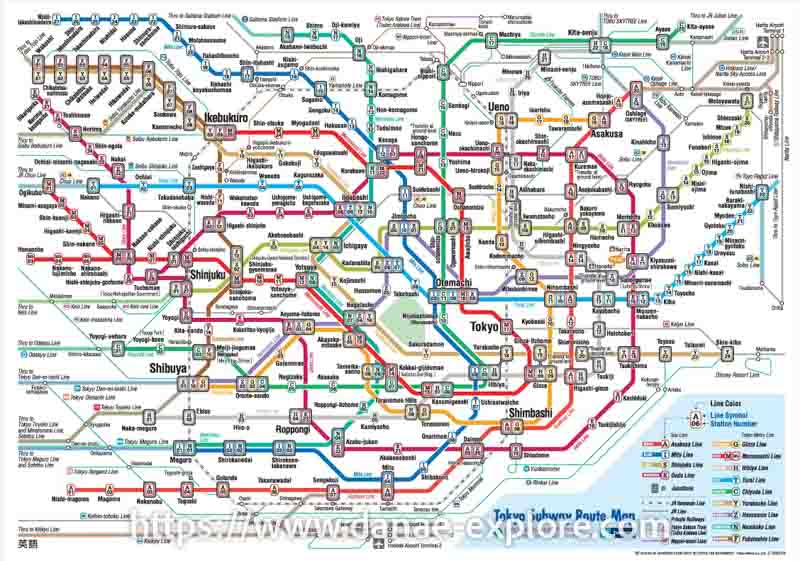
Forget taxis and rental cars: the easiest and most efficient way to get around Japan is by rail. The train and subway network is extensive, punctual, and clean. And where the trains don’t go, you can count on the buses, which are also excellent. In Tokyo, we only used the bus to get to teamLab, but in Kyoto we used the bus a lot, with no problems at all.
Depending on how long you’ll be in Japan and how much you plan to travel, a train pass may be worth it. The Japan Rail Pass covers the whole country and gives you unlimited travel, including on the Shinkansen, for a set number of consecutive days (7, 14, or 21). On our month-long first trip, we bought the 21-day pass; on the second trip, we spent 18 days in the country and bought the 7-day pass. There are also regional passes (like this one for Kansai and Hokuriku, or this one covering the eastern region of the country), which are much more affordable, so it’s worth checking which one suits your itinerary best.
Important to note that not every foreign driver is allowed to drive in Japan, even with an International Driving Permit. You’ll need to check whether your permit is valid there, because eligibility depends on the country that issued your driver’s license, not your nationality.
.

.
Bonus tips:
– Always keep some ¥100 coins with you: they’re the most useful ones, especially for vending machines.
– Japan has well-defined seasons. Summer is very hot, with that humid heat that leaves you feeling sticky all day. Winter is quite cold, but it’s not common to see much snow in cities like Tokyo and Kyoto. In the Japanese Alps region and on the island of Hokkaido, in the north of the country, the cold is harsher and snowfall is abundant. In fact, Hokkaido is one of the best places in the world for winter sports, so it was the perfect place for me to try skiing for the first time. I share more about that experience in this post.
– Japanese food goes far beyond sushi and sashimi. Try dishes that are less common outside Japan, such as the many types of ramen, soba, and udon, and go further with okonomiyaki, yakitori, gyoza, donburi, yakiniku, tonkatsu, gyudon, and much more. But here’s one thing to keep in mind: restaurants usually specialize in just one type of dish. If it’s a sushi restaurant, you’ll find different kinds of sushi; if it’s a soba restaurant, there will be different kinds of soba, and so on.
– In my experience, traveling in Japan costs less than traveling in Western Europe or the United States. Accommodation in big cities, especially Tokyo and Kyoto, tends to be relatively expensive, but overall we spent less in Japan than on our most recent trips to Europe and the US.
Here are the websites I always use to plan my trips:
– 🛌 Accommodation: Booking
– ☀️ Tours & activities: Civitatis & Get Your Guide
– 📱 eSIM for mobile data: Airalo e-SIM – use promo code DANAE2375
– 🚗 Car rental: RentCars – use promo code DANAE, or DiscoverCars
.
Check out all our posts about traveling in JAPAN:
- 4-week Japan itinerary: the best of Japan for a first trip to the Land of the rising sun
- Where to stay in Tokyo
- Beyond Tokyo: 7 day-trips that live up to the hype
- The best of Kyoto: what to do in 4 or 5 days in Japan’s ancient capital
- Tateyama Kurobe Alpine Route – Your ultimate guide to the journey crossing the Japanese Alps
- Nakasendo Road, from Magome to Tsumago, the most beautiful villages of medieval Japan
- Hiroshima: 2-day itinerary, with a day trip to Miyajima
- Sapporo: complete itinerary and tips for skiing in Hokkaido
- 10 things you need to know before traveling to Japan
.
Here are our posts about other destinations in Asia:
- 3-week itinerary through Southeast Asia – the best of Thailand, Laos and Cambodia
- Siem Reap and Angkor Wat in Cambodia
- New Year’s Eve in Siem Reap, Cambodia
- What to do in 3 days in Luang Prabang
- The best of South Korea: 7-10 day itinerary
Did you like these tips? Then follow me on social media:
Instagram @danae_explore
Pinterest @danaeexplore
Comments or questions? Contact me on social media! I love to chat about travel 😉
And before you go, don’t forget to SAVE THIS PIN to your PINTEREST account so you can easily find this post on 10 things you need to know before traveling to Japan whenever you need it!