.
I know Tokyo already has enough to keep you busy for weeks: all the neighborhoods, markets, temples, museums, not to mention the subway to decode and all the food to try. I’ve been there twice, and my list of places to see is still growing.
But the truth is that some of Japan’s most compelling day trips are right on Tokyo’s doorstep, and ignoring that would be a mistake. The surroundings of Japan’s largest city hold temples, sweeping landscapes, lakes, rivers, mountains (hello, Mount Fuji!), theme parks, and some of the country’s most iconic spots, all easily reachable by public transit.
First of all, follow me on Instagram @danae_explore – that’s where you can keep up with my trips, find lots of travel tips, and send me a DM anytime. I love chatting about travel!
On my first trip to Japan, which lasted four weeks, we spent nine days in Tokyo and did three day trips; on the second trip (itinerary here), we spent five days in the city and fit in two day trips. Two of the seven I’m sharing here I still haven’t managed to visit, no matter how hard I tried to squeeze them into both trips.
In this post, I’ve put together the seven best day trips from Tokyo, with everything you need to know to decide which ones make it into your itinerary and a complete step-by-step for visiting each one. And who knows, you might find that one of them deserves more than a day and ends up as a proper stop on your itinerary, right?
This is just the beginning, Japan has so much more to offer. Here on the blog, alongside our full 4-week itinerary from the first trip, you’ll find accommodation tips for Tokyo, day-trips from Tokyo, itineraries for Kyoto, Hiroshima and the charming post towns of Magome and Tsumago plus the Tateyama-Kurobe Alpine Route for those looking to get off the beaten path. If Japan is on your list, you already know where to start 😉
.
Nikko: historic temples and nature in a single day
When I was planning our first trip to Japan, one of the day trips I was most set on was Nikko. The town is north of Tokyo, and of the four weeks we spent in Japan that time, it was the only place north of Tokyo we visited.
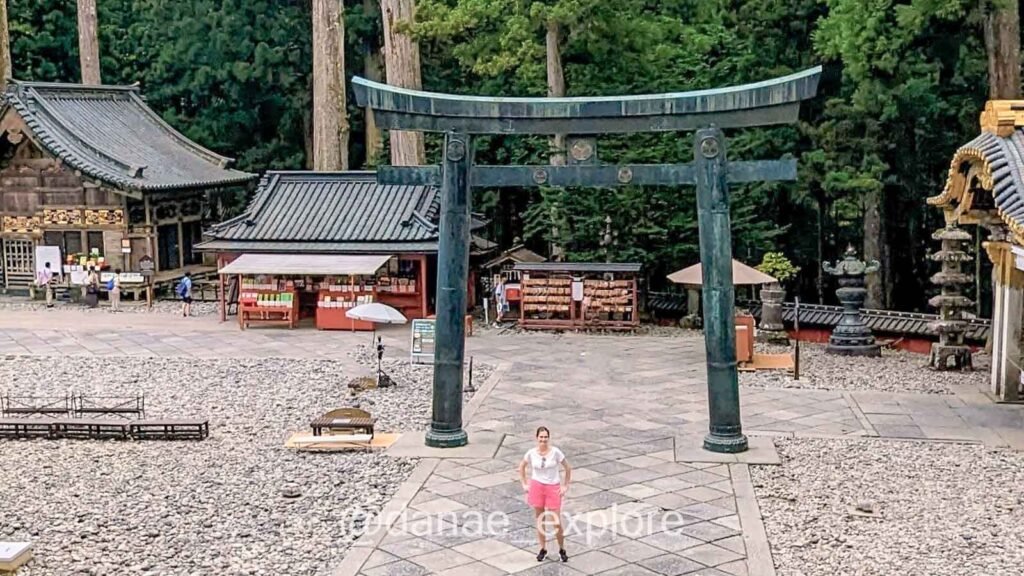
A UNESCO World Heritage Site, Nikko’s temple and shrine complex sits wrapped in forest, with enormous cedars that give the place an atmosphere worlds apart from Tokyo. The two-hour journey there feels like it takes you to another dimension entirely.
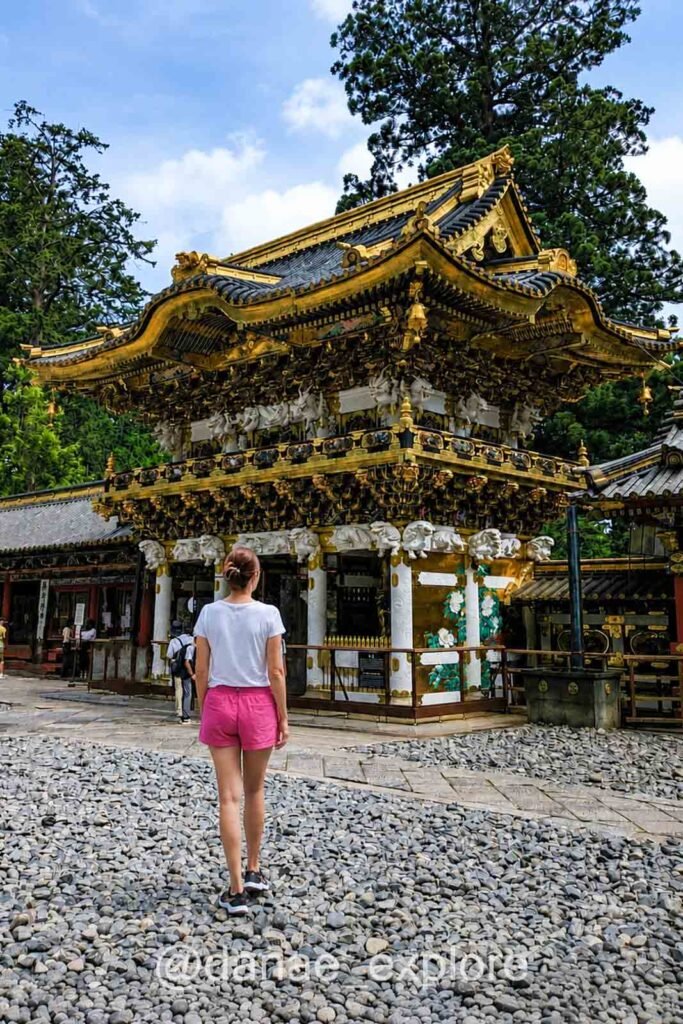
The Tōshō-gū shrine is dedicated to shogun Tokugawa Ieyasu, and its original construction was completed in 1617. It’s excessive in the best way: thousands of details, colors, and carvings cover every surface. In the stable building, look for the carving of the “three wise monkeys“, the little monkeys that inspired the globally recognized emoji, whose names are Iwazaru (speak no evil), Kikazaru (hear no evil), and Mizaru (see no evil). In Japanese tradition, the meaning is tied to the wisdom of keeping oneself away from evil: speaking no evil, hearing no evil, and seeing no evil.
.
.
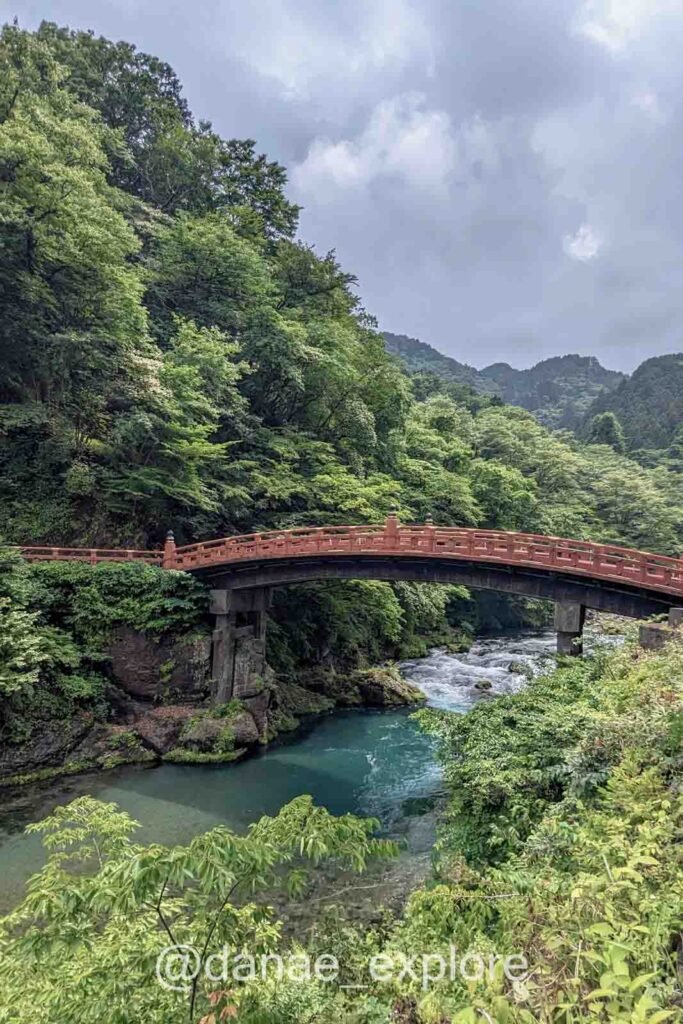
Nearby sits one of Japan’s most iconic images, the Shinkyō Bridge. Picture a gently arching red bridge over a turquoise stream, surrounded by mountains and gorgeous greenery, even lovelier in autumn. That’s Nikko! We went in summer, and everything was lush and gorgeous!
Nikko also has several waterfalls and viewpoints, which are especially beautiful in spring and autumn: Kirifuri Falls, Makkura Falls, Ryuzu Falls, and Kegon Falls, with a 97-meter drop, one of the tallest in Japan.
Pace: it’s a full-day excursion, and a busy one, especially if you want to take in the shrine, the temples, and the waterfalls. We spent the whole day there in summer and still didn’t make it to the waterfalls.
.
.
Where to stay in Nikko
Nikko is an intense day trip, so it might be worth considering an overnight stay.
There are absolutely charming ryokans that are an experience in their own right, like Nikko Hoshino Yado and Iwaiyado Jyuan Nikko Kawaji onsen. We stayed at a ryokan in Magome (more on that in this post) and it was the most special accommodation of our entire first trip to Japan.
.
We loved Japan so much that we were back before long, this time in winter: skiing in Sapporo, revisiting old favorites (hello again, Tokyo, Hiroshima and Kyoto), and adding some new ones like Kanazawa and Himeji, as well as some day-trips from Tokyo we haven’t done before. Check it all out here on the blog or over on Instagram.
.
How to get to Nikko
Nikko sits about two hours from Tokyo.
A great option, especially if you’re staying in the Asakusa area, is the Tobu Nikko Line train, which departs from that station and has tourist-specific passes allowing unlimited travel within the Nikko area, including access to several waterfalls. More information on the official website.
Since we were staying far from Asakusa and could already use our JR Pass, we used the pass for the first time on the Shinkansen heading toward Nikko. You can take the Shinkansen to Utsunomiya and then connect to a local train to Nikko Station. Once there, most things are within walking distance or a quick bus ride away. We took the bus from the main station to Shinkyō Bridge, walked from there to Nikkō Tōshō-gū, and walked back to the station, and the whole thing was easier than expected.
.
.
Kamakura: giant Buddha, ocean views, and a much more laid-back vibe
Kamakura is a classic day trip from Tokyo: close, easy to pull off, and with a very different feel from the capital.
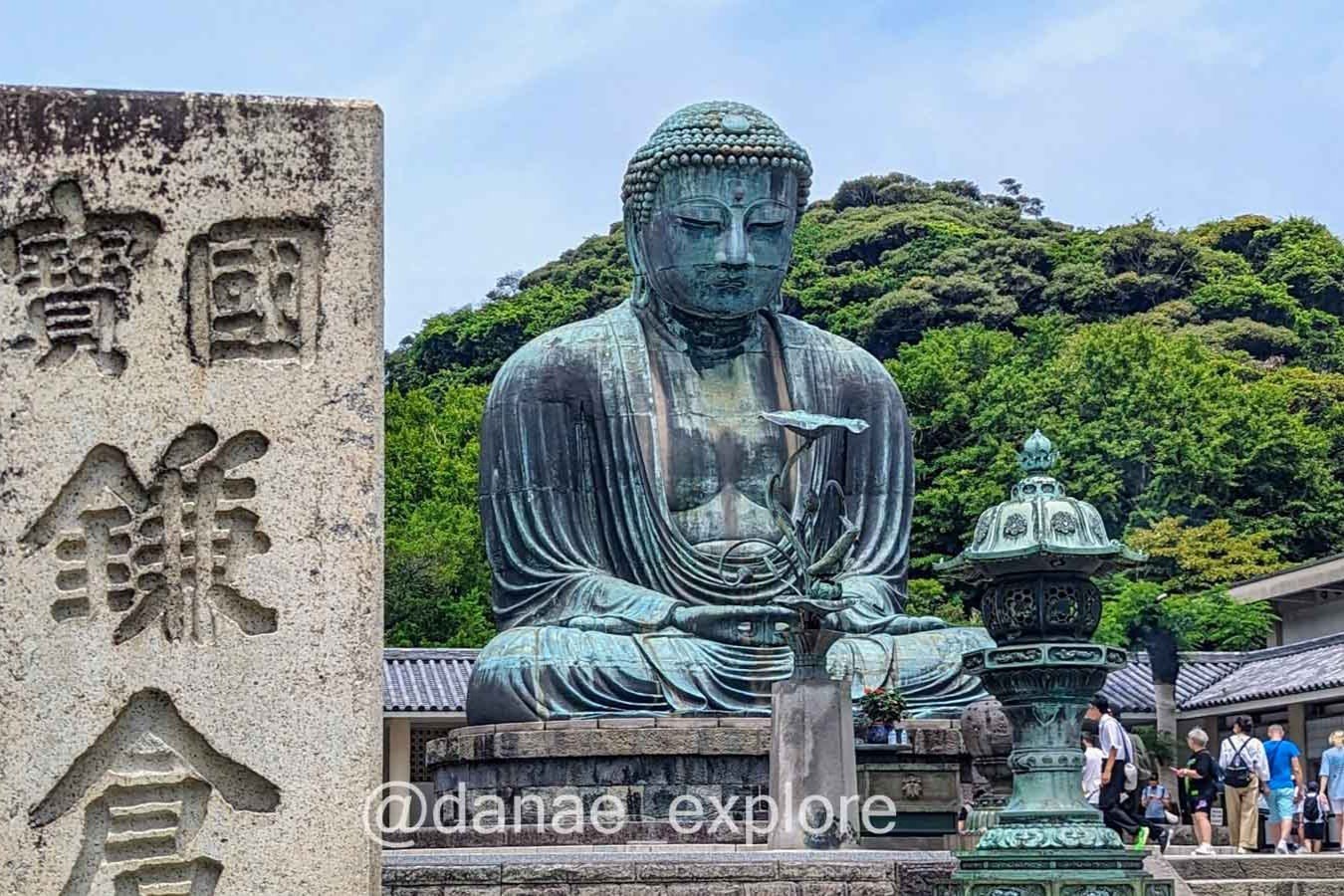
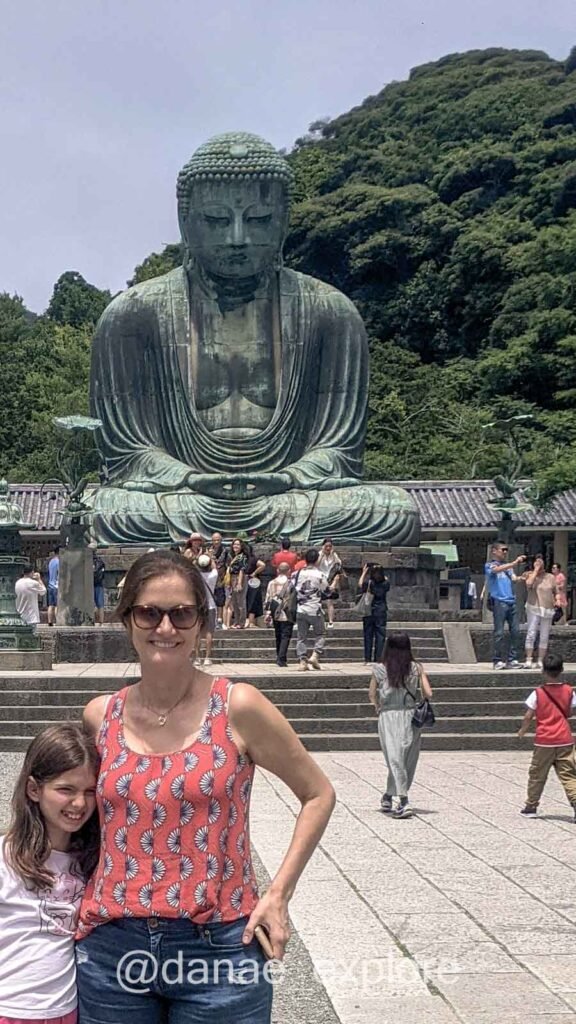
The Great Buddha (Kotoku-in) is the most famous attraction, and it’s absolutely worth seeing. It’s an 11-meter bronze statue, not counting the pedestal, dating back to the 13th century. It was originally housed in an enormous wooden hall, but after the structure was damaged by several typhoons and earthquakes, it disappeared, and the Buddha has remained outdoors ever since, restored only during the Edo period (1603–1868).
But Kamakura has a lot more to offer than that. Near the Great Buddha, the Kuzuharaoka-Daibutsu trail begins, winding through the forest, past several temples and shrines, and ending at Tokeji Temple, a walk that takes just over an hour at a leisurely pace. We only walked part of it, because it had rained that morning and the path was nothing but mud.
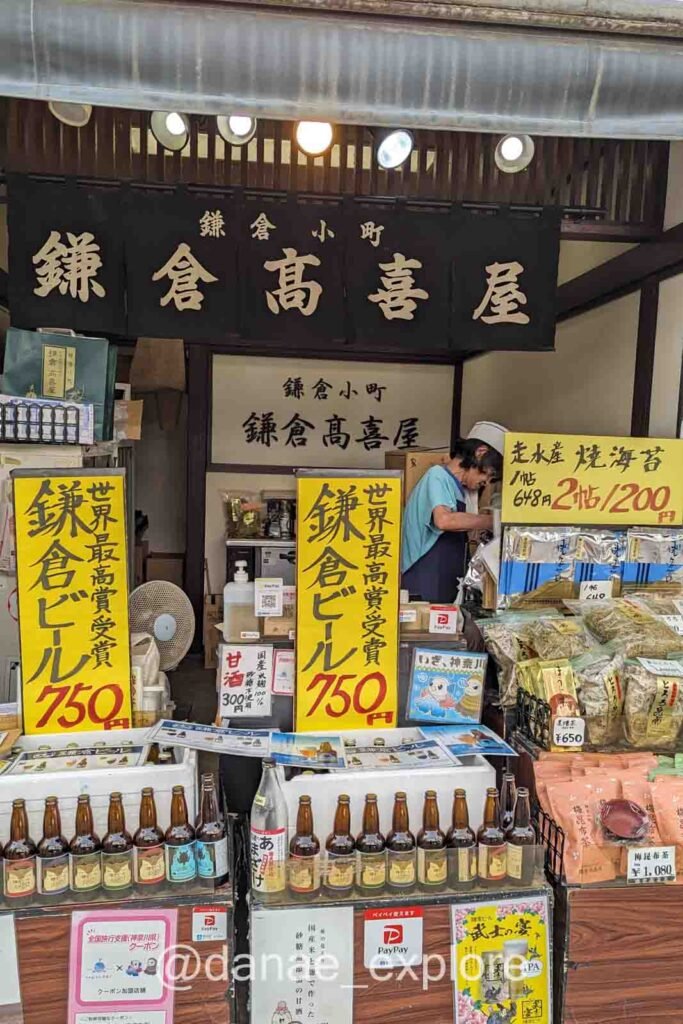
In Kamakura, it’s also worth visiting Hasedera Temple, with its views over the sea, and Tsurugaoka Hachimangū, which is close to Kamakura Station and especially beautiful in spring and autumn. The path to that shrine, by the way, runs along Komachi-dori street, lined with little shops, restaurants, and cafés, a lovely stretch to wander and stop wherever something catches your eye.
.
.
And there’s a beach in Kamakura too! The main one, very easy to reach, is Yuigahama. If you have time to spare, it’s worth hopping on the local train to Enoshima, an island with its share of shrines, parks, and an observation tower that, if luck is on your side, will reward you with sweeping views of Mount Fuji.
Pace: light to moderate. You can do it in half a day if the goal is just the Great Buddha and the surrounding area, or stretch it into a full day including the trail, the beach, and Enoshima. We did the Great Buddha, part of the Kuzuharaoka-Daibutsu trail, had lunch, wandered along Komachi-dori, and called it a day. It was a full day, but not the kind that leaves you completely wiped out.
.
How to get to Kamakura
Kamakura Station is less than an hour from Tokyo on the JR Yokosuka Line, covered by the JR Pass. Once there, we did everything on foot: from the station to the Great Buddha, from there to the Kuzuharaoka-Daibutsu trail, back the same way, and then a stroll along Komachi-dori, all on foot.
For accommodation tips in Tokyo, check out our post on where to stay in Tokyo: the best neighborhoods
.
Hakone: onsens, mountains and a chance to see Mount Fuji
For anyone after sweeping landscapes and that wonderful mountain atmosphere, Hakone is the best choice.
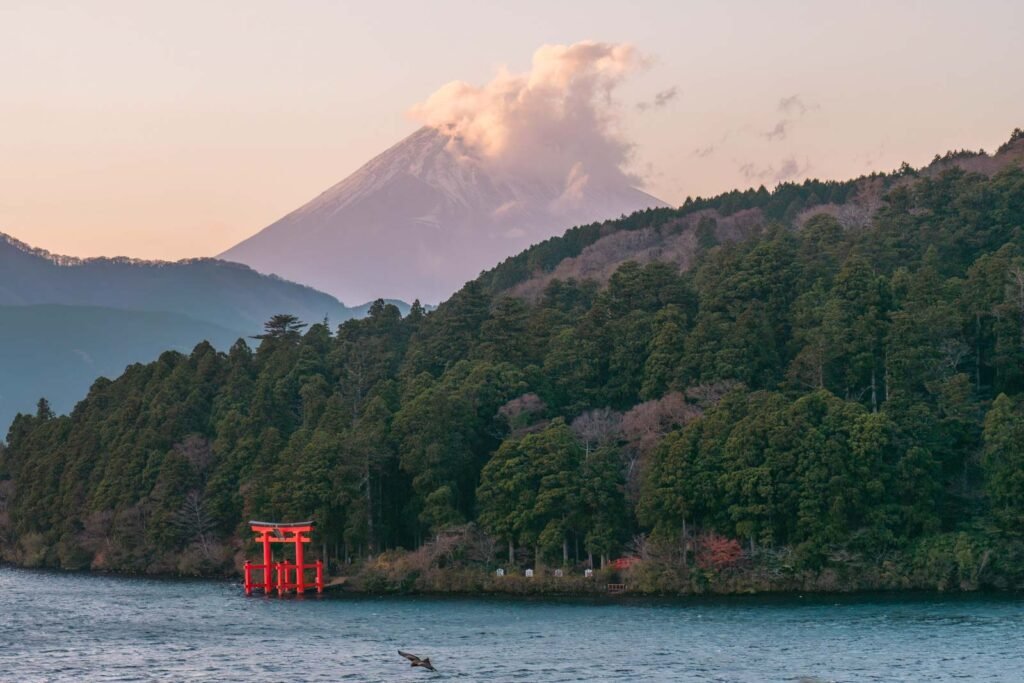
The main attractions revolve around three things: a boat ride across Lake Ashi (with views of Fuji on days when it cooperates), the cable car up to Owakudani, an active volcanic valley where you can buy the famous black eggs hard-boiled in sulfurous springs, and the Open-Air Museum, which deserves a good few hours of your day.
The attractions are spread out, and getting between them takes longer than it looks on the map, so if you’re doing a day trip, the main piece of advice is to leave Tokyo early.
Since most of Hakone’s attractions are outdoors, the experience depends a lot on the weather.
Mount Fuji is frequently hidden by clouds, so go with adjusted expectations: you can have a beautiful day in Hakone and still not see Fuji. The good news is that the area itself is gorgeous, and there’s plenty to do and enjoy beyond the mountain view.
Pace: a full-day excursion that leaves you wanting more.
.
Planning a trip to Japan? You’re in the right place! We’ve been twice, and between the blog and Instagram, I’ve got itineraries and guides covering both trips. Start with the full itinerary from our first trip (summer), and our Japan travel guide to 10 things you need to know before you go.
.
Where to stay in Hakone
If your itinerary has some flexibility, consider staying at least one night in the area to explore at a more relaxed pace and improve your chances of catching Fuji on a clear morning. Two nights is even better.
I’d recommend making the most of the chance to stay in a ryokan, a traditional Japanese inn, with minimalist tatami rooms and futon mattresses. Our ryokan experience was in Magome and I loved it (more on that in this post).
The Yumoto area is the most convenient, close to the train station and full of restaurants and shops. Among the several options there, Ryokan Yushintei and Masutomi Ryokan are worth a look. For those who prefer a larger hotel but still in a traditional style, Tenseien is a solid option.
Gora sits higher up the mountain, near the starting points of the funicular, the cable car, and the Open-Air Museum. This is where the most traditional ryokans are concentrated, many with private onsens. Good options there include Musashino Bekkan and, at the budget side, Kumo Inn Hakone.
Motohakone is for those willing to trade convenience for scenery. It sits on the shores of Lake Ashi, with views of Fuji on days when it decides to show up. It’s considerably more remote, but the setting makes up for it. Check out Rakuten Stay Fujimi Terrace or Moto-Hakone Guest House, in a friendlier price range.
.
How to get to Hakone
The most practical and direct way to get to Hakone is the Romancecar train, which departs from Shinjuku Station. It isn’t covered by the JR Pass, though.
If your JR Pass is already active, the best way to reach Hakone is to take the Tokaido Shinkansen from Tokyo Station to Odawara, which takes about 30 minutes. From there, hop on the local Hakonetozan Line, and in around 20 minutes you’ll get to Hakone-Yumoto Station (included in the Hakone Free Pass).
To get around Hakone, the best move is to buy the Hakone Free Pass, a pass that allows unlimited travel across five different modes of transport: train, cable car, boat, funicular, and bus. More information here.
.
.
Kawaguchiko: the day trip for getting up close to Mount Fuji
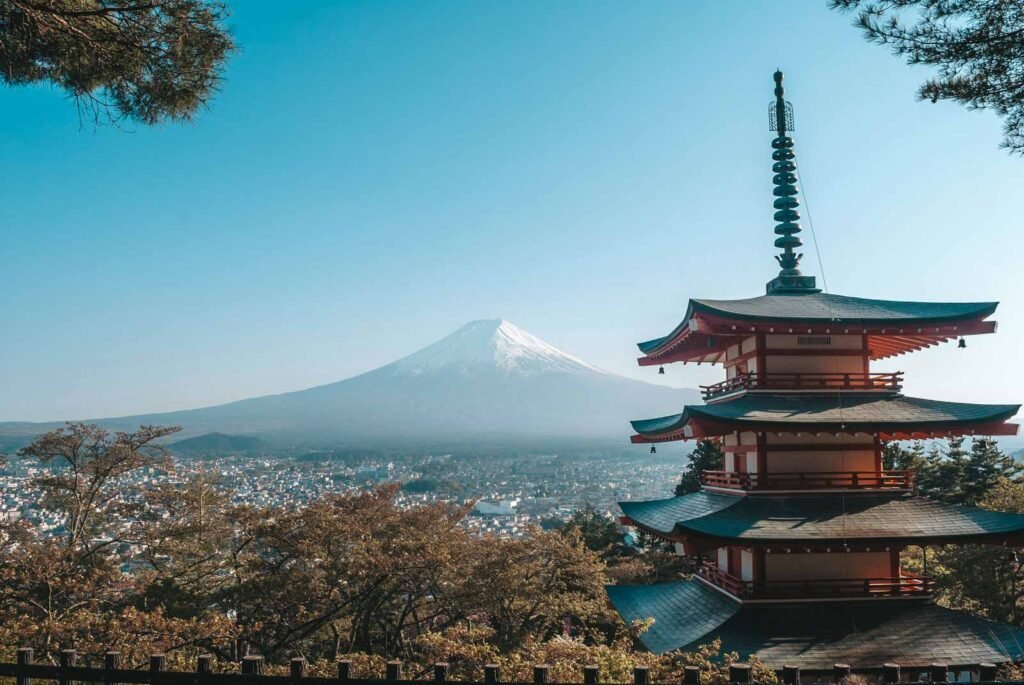
If Fuji is your priority, Kawaguchiko is the most strategic choice. The town sits on the shores of Lake Kawaguchi, with Mount Fuji in the background, and it’s from here that some of the mountain’s most classic photos are taken, including the one with Chureito Pagoda, that image you’ve already seen a thousand times before even setting foot in Japan.
The area is part of what’s known as the Fuji Five Lakes, which include lakes Yamanakako, Kawaguchiko, Saiko, Shojiko, and Motosu. If the goal is to go home with a stunning photo of Mount Fuji, Kawaguchiko is one of the best places to make that happen.
Kawaguchiko is also the starting point for one of the four trails leading to the summit of Mount Fuji, which stands at 3,776 meters and is one of Japan’s three sacred mountains. We didn’t get the chance to visit it, but we did do the Tateyama Kurobe Alpine Route and reached the foot of Mount Tate, another of the sacred three. Mount Hakusan completes the trio.
The catch is that Fuji doesn’t always show up. The mountain is hidden by clouds much of the time, and there’s no way to guarantee the view. Planning ahead makes a real difference: book excursions with free cancellation and check the forecast the day before. That’s exactly what happened to us on our second trip to Japan, we had to cancel the day before because the forecast was 100% fog, and it was spot on. It would have been a waste of time and money, not to mention the frustration. Apparently the best days to see Fuji tend to be after cold fronts pass through, when the sky clears up.
Worth knowing: unlike Hakone, Kawaguchiko doesn’t have as much to offer if Fuji stays hidden all day. Keep that in mind when choosing between the two, or, if your time allows, visit both.
.
How to get to Kawaguchiko
To reach Kawaguchiko from Tokyo, the most practical option is a direct bus from Shinjuku Expressway Bus Terminal (around 1h45 to 2h20), or the Fuji Excursion limited express train, from Shinjuku Station (around 1h53). The destination is Kawaguchiko Station, which serves as the central hub for local buses toward the lake, Oishi Park, or the cable car.
Another option is to go by train: take the JR Chuo Line from Shinjuku to Otsuki Station and switch to the Fujikyuko Line to Kawaguchiko. The JR Pass doesn’t cover the final Fujikyuko stretch.
.
.
Yokohama: easy to reach, easy to love
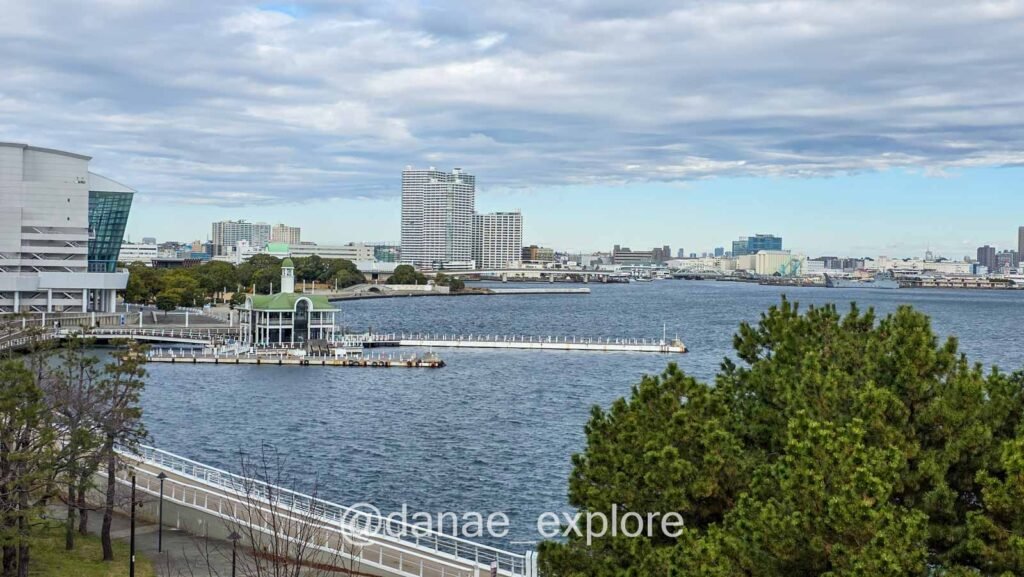
Yokohama is Japan’s second-largest city and sits less than 30 minutes from Tokyo by train. It isn’t exactly a day trip in the traditional sense; it feels more like an extension of the urban experience than an escape. Despite being practically glued to Tokyo, it has a different atmosphere, with the Minato Mirai waterfront district, Chinatown (one of the largest in Asia), Sankeien Garden, and the historic Yamate neighborhood.
For anyone who’s spent days immersed in the bustle of Tokyo, Yokohama is a welcome change of pace that requires almost no logistical effort. Perfect for those who want to mix up their itinerary without turning the day into a military operation.
Pace: half a day or a full day, depending on how much you want to explore.
Worth knowing: it’s a good option to slot in on an arrival or departure day, since the city has a direct connection to Haneda Airport. Another great idea is to rent bikes and ride along the waterfront. We went in winter so it didn’t work out for us, but in other seasons it seems like a wonderful way to discover Yokohama.
.
Is it worth staying overnight in Yokohama?
Unless you really want to base yourself in Yokohama, this is one destination that, in my view, doesn’t justify switching hotels. We have a guide on the blog with the best neighborhoods to stay in Tokyo, it is worth a look. For easy access to Yokohama, the Ginza and Shinjuku areas are good areas to stay.
.
.
Tokyo Disney Resort and DisneySea: for theme park lovers
Technically, the last two day trips on this list are within Greater Tokyo, but they’re far enough from the city center and require enough planning that I consider them full day trips in your itinerary, not just neighborhoods to pass through.
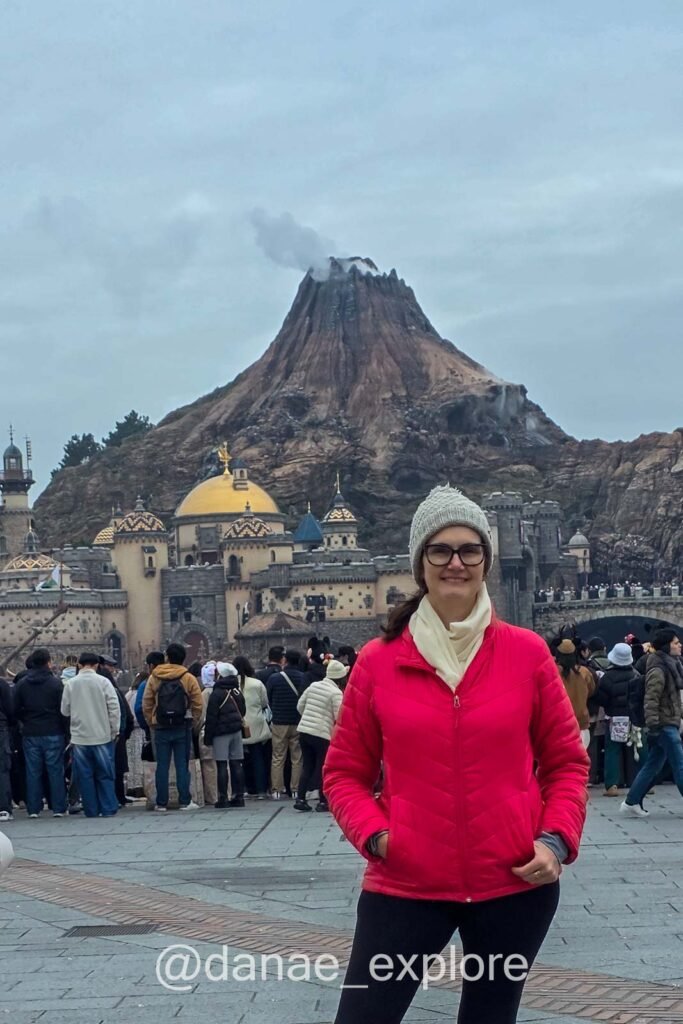
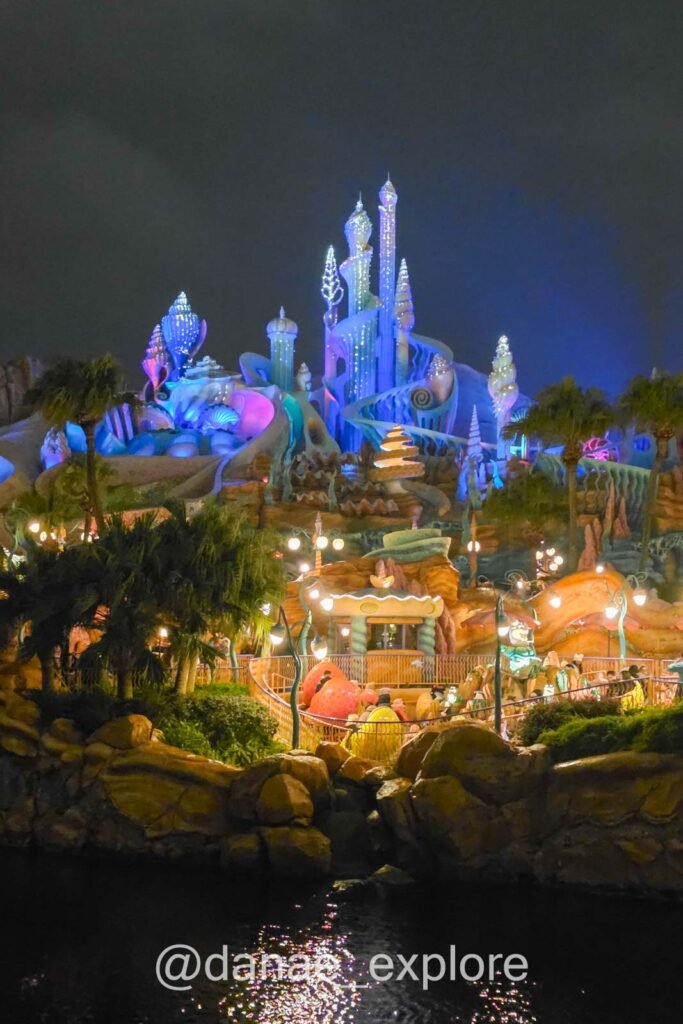
Tokyo Disney Resort is the classic park, Magic Kingdom-style, with the attractions and characters you already know, but with a Japanese touch that gives it a character all its own. DisneySea is a different story: it’s the only one of its kind in the world, themed around maritime myths and adventures, with a more grown-up aesthetic and rides you won’t find in any other park in the network.
If you have to choose one, it depends on your profile: with young kids or fans of the classic Disney universe, go for Disney. For something unlike anything you’ve seen before, DisneySea — and that’s the one we chose! Even though I’ve been to Tokyo twice, I still haven’t visited Tokyo Disney Resort, and honestly, I’m not that bothered.
If you want to do both parks, set aside a day for each — you can’t do both in one day without missing out on a lot.
Pace: a full day, and an intense one. Brace yourself for long queues, especially on the main attractions.
Worth knowing: tickets are purchased in advance through the official website. On weekends and Japanese public holidays, the parks get very crowded. Go on a weekday if you can.
.
Ghibli Museum: a must for Ghibli fans, a discovery for everyone else
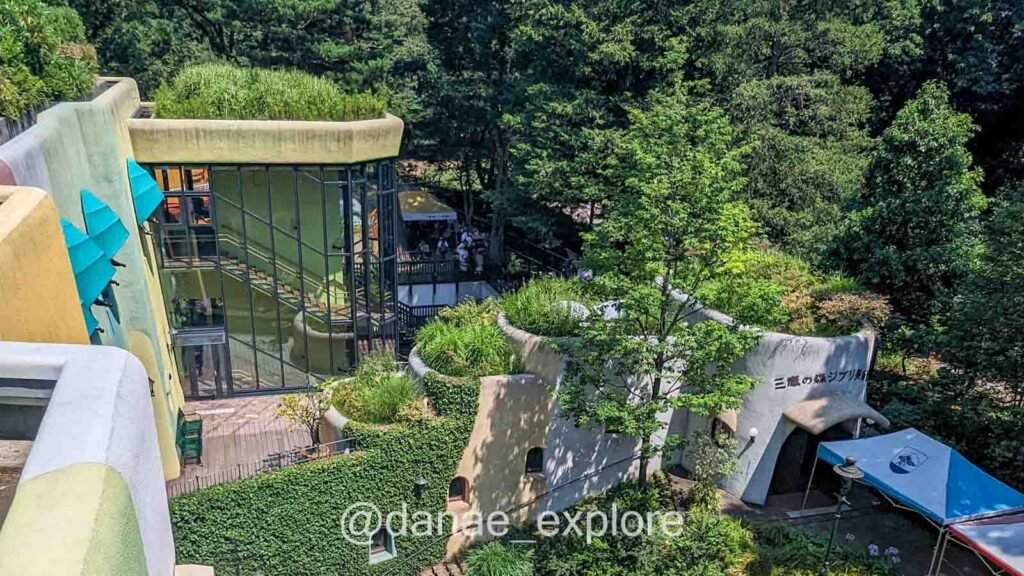
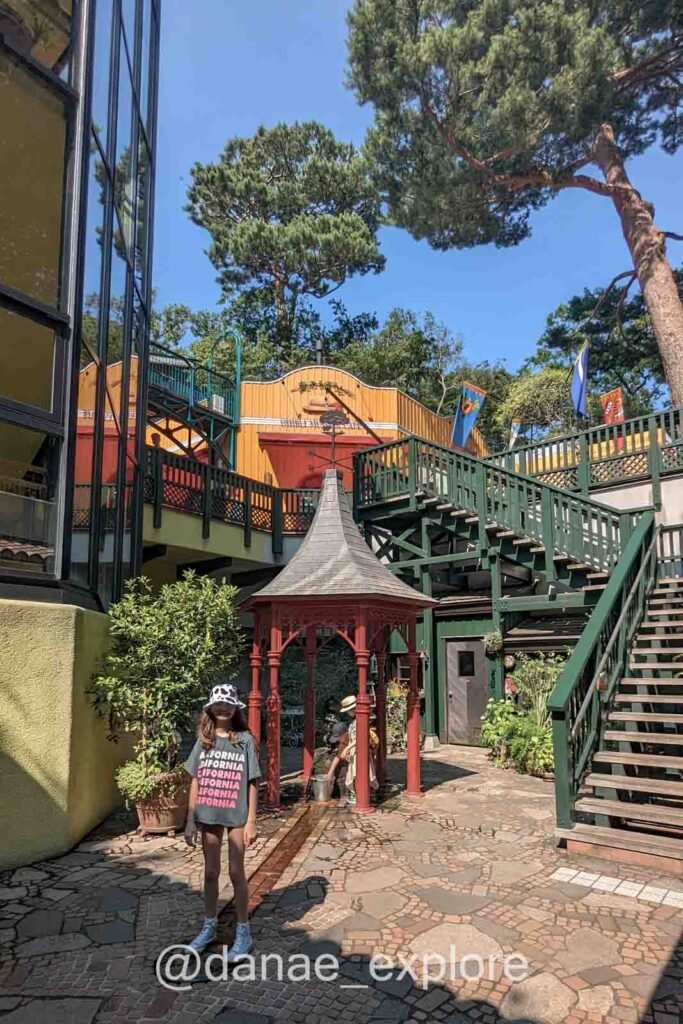
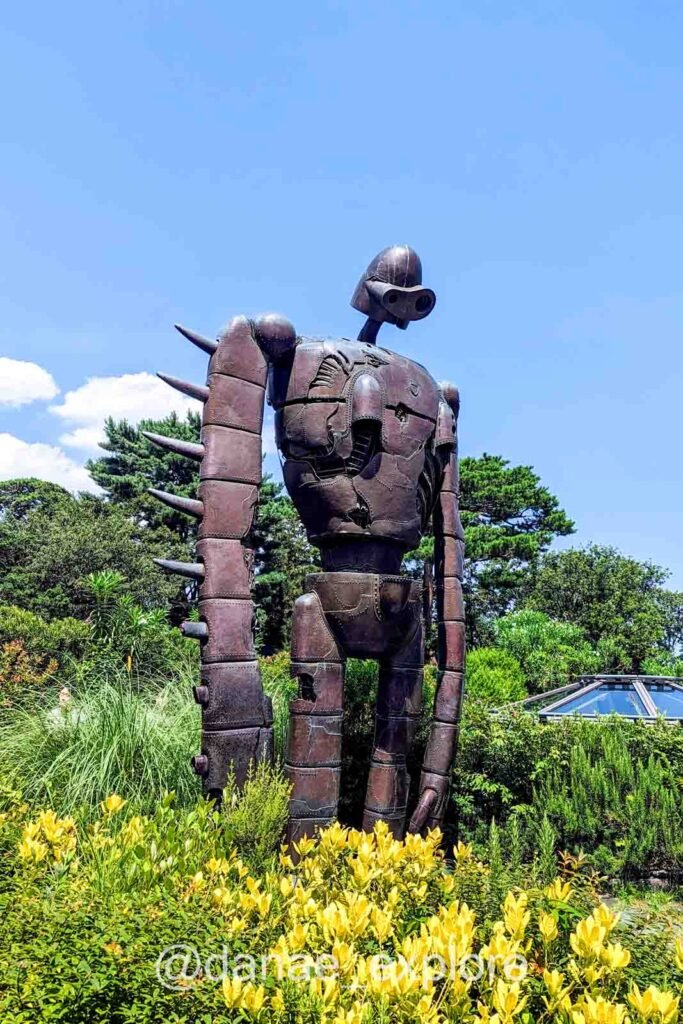
The Ghibli Museum is in Mitaka, about 30 minutes from central Tokyo, and one of the most sought-after experiences in the city.
Conceived and designed by Hayao Miyazaki, the museum features exhibitions on the studio’s creative process, an exclusive cinema showing original short films, the giant cat bus for kids to climb on, and a shop selling items you won’t find anywhere else.
The catch is that tickets are incredibly hard to come by. Sales open on the 10th of each month, at 10am Tokyo time, for the following month. If you’re planning your trip from outside Japan, keep this in mind: mark the 10th of the month before your visit, convert to Tokyo time, and be online the second sales open. When I bought mine, a virtual queue opened up, just like the ones you see for big concerts. I was somewhere around 5,000th in line, had a five-day window in Tokyo, and managed to get tickets for the day I needed.
Pace: half a day, or longer if you combine it with other attractions in the Mitaka and Kichijoji area.
Worth knowing: photography is prohibited in most of the interior spaces. And I’m sure you’ll respect that, you’ll be too enchanted to miss your camera anyway.
.
.
Which Tokyo day trip should you choose?
Ah, the million-dollar question!
I think the choice comes down to your travel style and how many days you have in Tokyo.
Here’s a quick guide to help you decide:
- Temples + nature + visual impact → Nikko
- A relaxed, uncomplicated outing without a long journey → Kamakura
- Landscapes + a scenic experience → Hakone
- Mount Fuji as the priority → Kawaguchiko
- An easy urban outing with fast, simple transport → Yokohama
- Theme park → Tokyo Disney Resort or DisneySea
- Something off the beaten path → Ghibli Museum
.
And of course, I’d recommend picking more than one if you can. I did three on the first trip, two on the second, and the other two are still waiting for me.
None of them are must-dos, but each one serves a different purpose within your itinerary. Look at your travel goals, think about what you enjoy most and what you’re hoping to get out of Japan, factor in the pace you want and how many days in Tokyo you have, and choose with that in mind.
.
Our Japan itinerary in detail, with map
Here’s the map with our four-week Japan itinerary — just click and save to your Google account. When you start planning your next trip to Japan, you’ll know exactly where to begin. 😉 On the map you can find details of everything we did, where we stayed, and the best places we visited. It’s organized into different layers, each in a different color, one for each area we explored
How to use this map: Click the menu tab in the upper left corner of the map to access different layers, including points of interest and routes. You can toggle layers on and off by checking the corresponding boxes. To see details about specific locations, click on the icons on the map.
To save this map to your Google Maps account, just click the star icon next to the map title. To access it later on your phone or computer, open Google Maps, tap the menu button, go to “Your Places”, select “Maps”, and you’ll find this map saved there.
Here are the websites I always use to plan my trips:
– 🛌 Accommodation: Booking
– ☀️ Tours & activities: Civitatis & Get Your Guide
– 📱 eSIM for mobile data: Airalo e-SIM – use promo code DANAE2375
– 🚗 Car rental: RentCars – use promo code DANAE, or DiscoverCars
.
Check out all our posts about traveling in JAPAN:
- 4-week Japan itinerary: the best of Japan for a first trip to the Land of the rising sun
- Where to stay in Tokyo
- Beyond Tokyo: 7 day-trips that live up to the hype
- The best of Kyoto: what to do in 4 or 5 days in Japan’s ancient capital
- Tateyama Kurobe Alpine Route – Your ultimate guide to the journey crossing the Japanese Alps
- Nakasendo Road, from Magome to Tsumago, the most beautiful villages of medieval Japan
- Hiroshima: 2-day itinerary, with a day trip to Miyajima
- Sapporo: complete itinerary and tips for skiing in Hokkaido
- 10 things you need to know before traveling to Japan
.
Here are our posts about other destinations in Asia:
- 3-week itinerary through Southeast Asia – the best of Thailand, Laos and Cambodia
- Siem Reap and Angkor Wat in Cambodia
- New Year’s Eve in Siem Reap, Cambodia
- What to do in 3 days in Luang Prabang
- The best of South Korea: 7-10 day itinerary
.
Did you like these tips? Then follow me on social media:
Instagram @danae_explore
Pinterest @danaeexplore
Comments or questions? Contact me on social media! I love to chat about travel 😉
And now that you’ve got all these tips, SAVE THIS PIN to your PINTEREST account so you can find this complete guide to the best day trips from Tokyo whenever you need it!