
Hiroshima is one of those places that belongs on every Japan itinerary. And if you’re wondering what to do in Hiroshima, this city might surprise you in the best possible way.
When I was planning the trip, I had my doubts — I worried it might feel too heavy, too somber, maybe even too much for the kids. How wrong I was.
First of all, follow me on Instagram @danae_explore – that’s where you can keep up with my trips, find lots of travel tips, and send me a DM anytime. I love chatting about travel!
Hiroshima is a vibrant, modern city that embodies the best of Japan: warm and welcoming people, incredible food, stunning temples, ancient traditions alongside cutting-edge technology, and landscapes that take your breath away. And on top of all that, a chance to sit with a chapter of human history that still demands reflection. Hiroshima teaches resilience, humility, and courage. It’s living proof that it’s possible to rise, rebuild, and start a new chapter.
During our four-week adventure in Japan, after spending over a week in Tokyo (and squeezing in a few day-trips), crossing the Japanese Alps, and hiking the Nakasendo Road, we made our way to Hiroshima, continuing on afterward to Kyoto and Osaka.
If you’re planning your own trip and looking for what to do in Hiroshima, here’s a look at what we did on our two-day itinerary in Hiroshima and Miyajima. And if you have questions, hit me up on Instagram @danae_explore — I love talking about travel!
Japan got under our skin. We were back before long, this time chasing snow in Sapporo, revisiting old favorites like Tokyo and Kyoto, and adding new ones to the list: Kanazawa and Himeji, as well as some day-trips from Tokyo we haven’t done before. Check them out here on the blog or over on Instagram.
How to get to Hiroshima
Hiroshima is in southern Japan, and the best way to get there — as with most places in Japan — is by train, specifically the Shinkansen, Japan’s legendary bullet train.
We were coming from Takayama (check out our 4-week itinerary here) and took the Hida Express regional train to Nagoya, then switched to the Shinkansen for the rest of the journey, which took five hours in total.
At Hiroshima Station, we hopped on bus number 50, which dropped us off right outside our hotel, the FAV Hiroshima Heiwa Odori. For getting around Japan, both between cities and within them, I highly recommend Google Maps. We used it every day on both trips and it never let us down. Just follow what it says and trust the app.
The Sanyo Shinkansen line connects Hiroshima to major cities across Japan, including Osaka, Kyoto and Tokyo. The bullet train covers the 800+ km from Hiroshima to Tokyo in roughly four hours and forty-five minutes.
Hiroshima also has its own airport (HIJ), with domestic flights and a handful of international routes — including Seoul (here’s our 9-day South Korea itinerary), Taipei, Shanghai, Hong Kong, and Hanoi.
On our second trip to Japan, we visited Hiroshima as a day trip from Osaka — a perfectly doable option thanks to the Shinkansen, which covers the route in about an hour and a half. If you’re based in Osaka or Kyoto and are short on time, this is a great way to fit Hiroshima into your itinerary without needing to change hotels.
.
Where to stay in Hiroshima
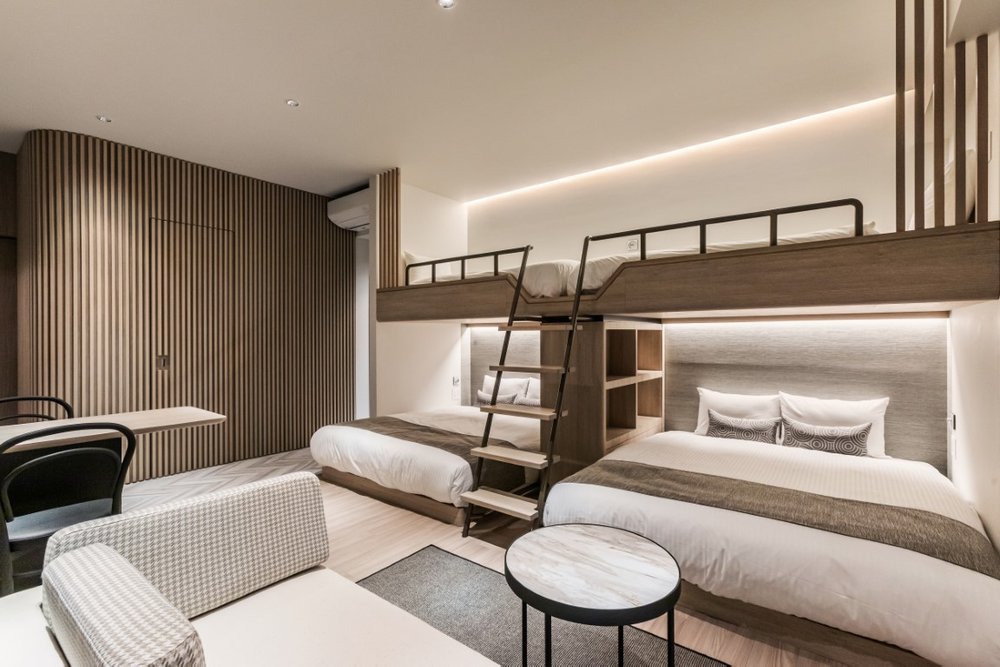
In Hiroshima, we stayed at what turned out to be the coolest hotel of our entire 4 week trip to Japan, and the kids absolutely loved it!
FAV Hiroshima Heiwa Odori had the largest rooms of anywhere we stayed on the trip: two queen-size beds with a single bunk-style bed above, a decent-sized living area, a kitchenette, a bathroom, and — best of all — a washing machine inside the room. An absolute dream for someone who did all of Japan with only a carry-on.
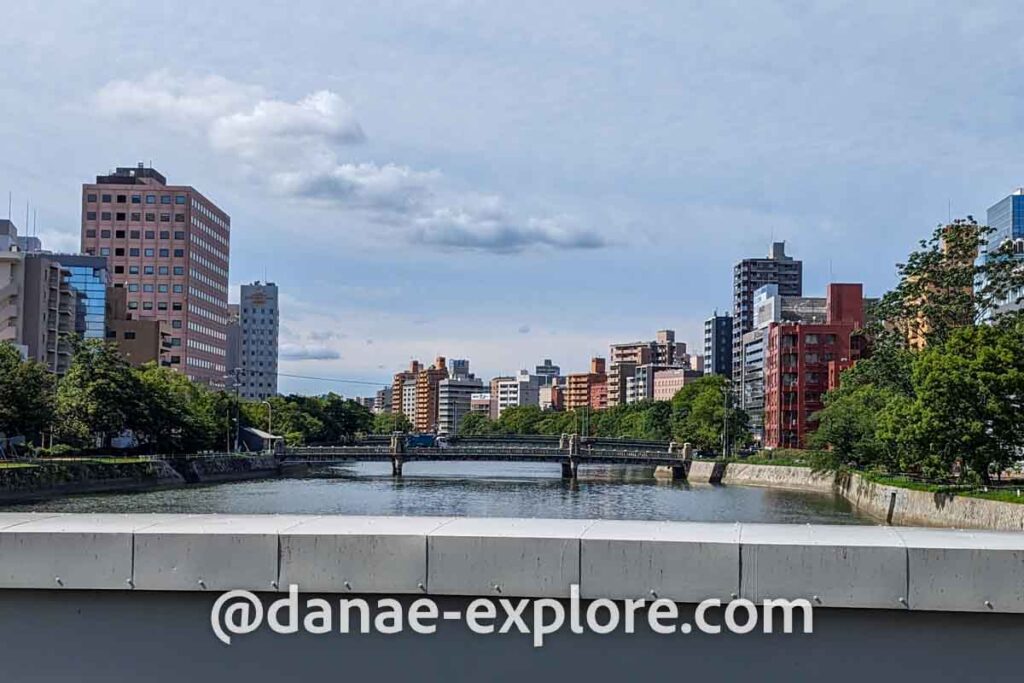
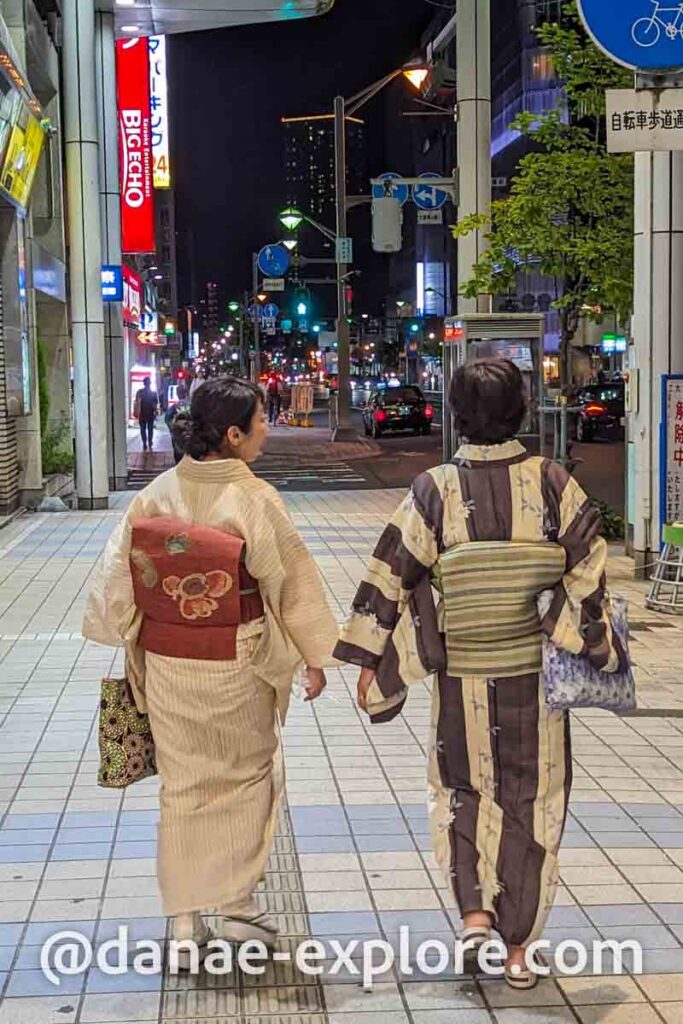
The location of FAV Hiroshima Heiwa Odori was excellent too. In the evenings, we’d walk over to the Hondori area, which has a lively dining and nightlife scene. From there, the Peace Memorial is within walking distance — though given the absolutely punishing July heat, we were more than happy to hop on the air-conditioned bus instead
Other hotels I had shortlisted for Hiroshima were The Knot Hiroshima and KIRO Hiroshima by the Share Hotels.
.
.
2-day itinerary in Hiroshima and Miyajima
.
A quick note: on our first Japan trip, we spent three nights in Hiroshima. We arrived in the late afternoon, with just enough time to walk around and get a feel for the city. For dinner, we headed to Hondori, a busy shopping street lined with stores, bars, and restaurants. After almost twenty days on the road in Japan, we were craving something familiar — so we ended up at The Shack, an Irish-style pub. I had a forgettable burger and the girls ordered a pizza that was equally underwhelming. Can’t win them all.
With two full days ahead, we dedicated the first to exploring Hiroshima and the second to visiting Miyajima..
.
Planning a trip to Japan? You’re in the right place! We’ve been twice, and between the blog and Instagram, I’ve got itineraries and guides covering both trips. Start with the full itinerary from our first trip (summer), and our Japan travel guide to 10 things you need to know before you go.
Day 1: Exploring Hiroshima
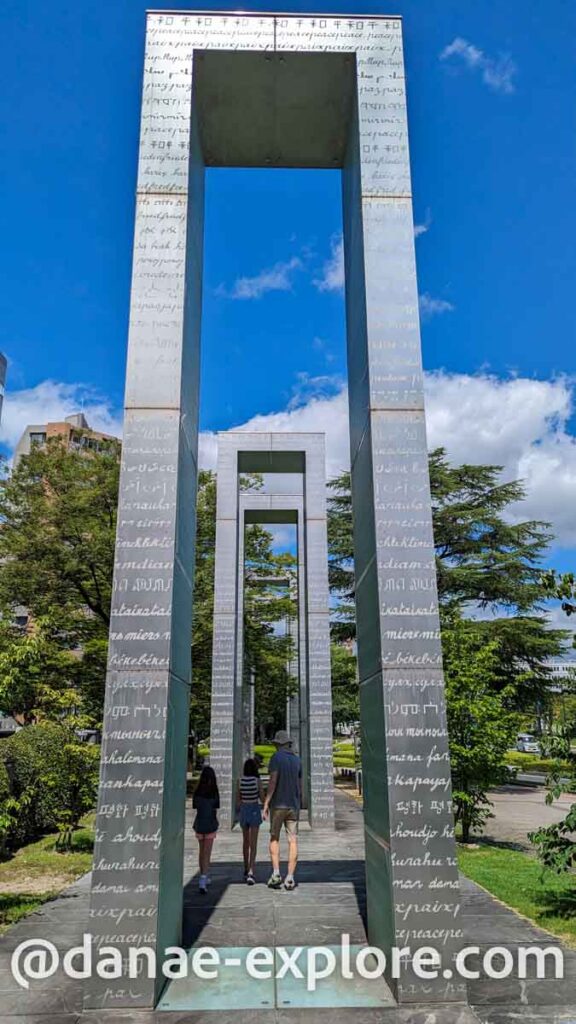
1. Hiroshima Peace Memorial
Visiting the Hiroshima Peace Memorial is an intense, emotional experience — one that stays with you long after you leave.
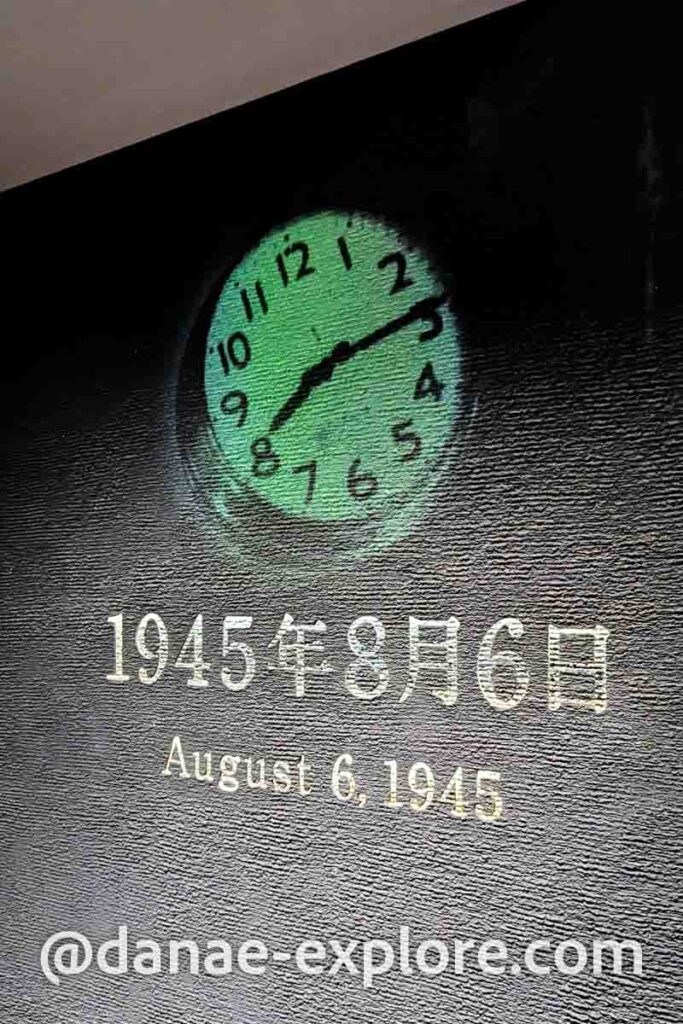
We started our day at the Peace Memorial Museum, a must-see in the city, even if — especially if — it’s a difficult one. The exhibits document what happened on August 6, 1945, and the days that followed, through original photographs, clothing and personal belongings of the victims, drawings and paintings by survivors, and personal testimonies. A projection maps the destruction onto a topographical model of the city, and a separate section addresses nuclear weapons more broadly. The museum is unflinching about the mistakes humanity has made, and its message is clear: the only path to a safer world for everyone is a total ban on nuclear weapons.
Is this suitable for kids? There’s no age restriction at the museum. If you’ve been following along, you know I firmly believe kids belong everywhere — and that means being introduced to the world in all its complexity, the beautiful and the difficult, as part of their education and growth. Our daughters were 10 and 12 when they first visited the Museum. We explained what happened, talked it through together, and reflected on it all in age-appropriate terms. Take time to prepare them beforehand — explain what they’ll see, why it happened, and how we can work to prevent such tragedies in the future. You might be surprised by how much they take away from it.
A few months later, we took our daughters to the Tunnel of Hope in Sarajevo, another city scarred by conflict. Showing children the world in all its beauty — and its harsh realities — matters.
We reached the Peace Memorial Museum by bus and bought tickets on-site.
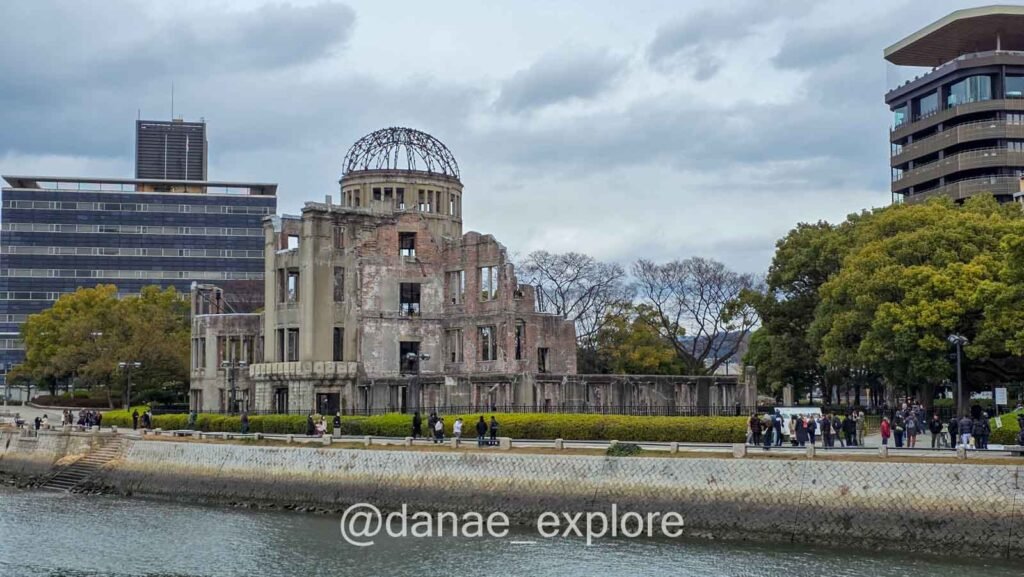
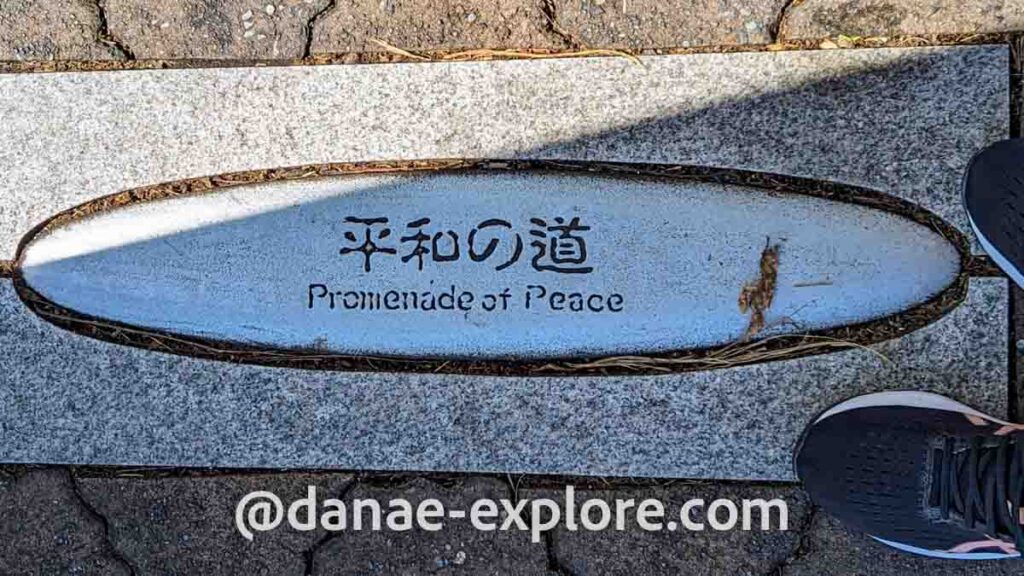
After the museum, we continued through Peace Memorial Park toward the Peace Dome — the only building left standing, albeit in ruins, after the bombing.
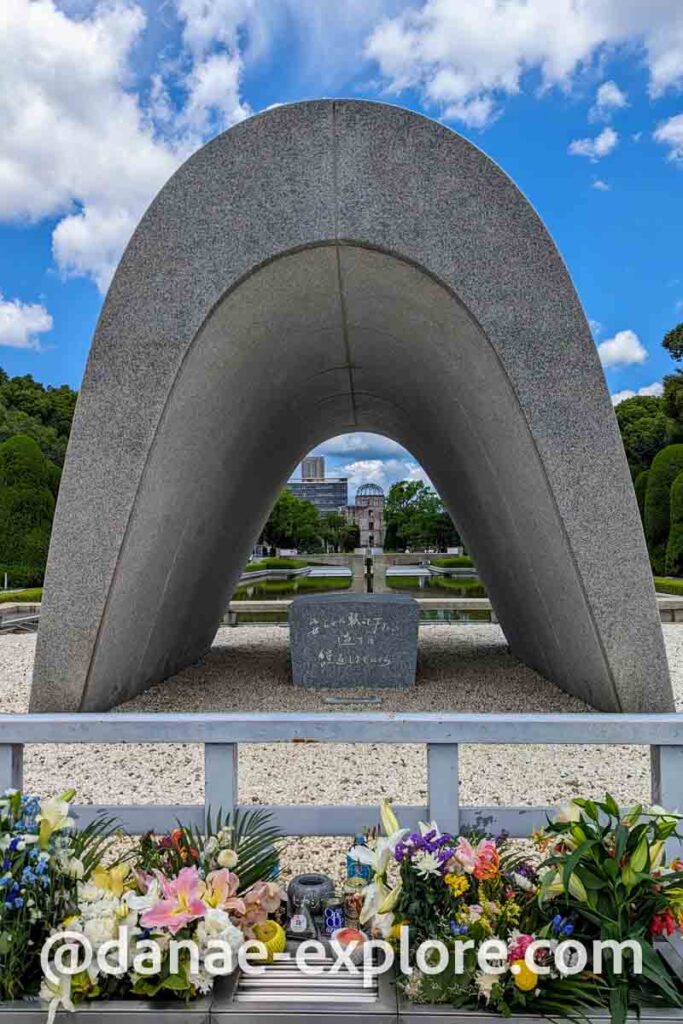
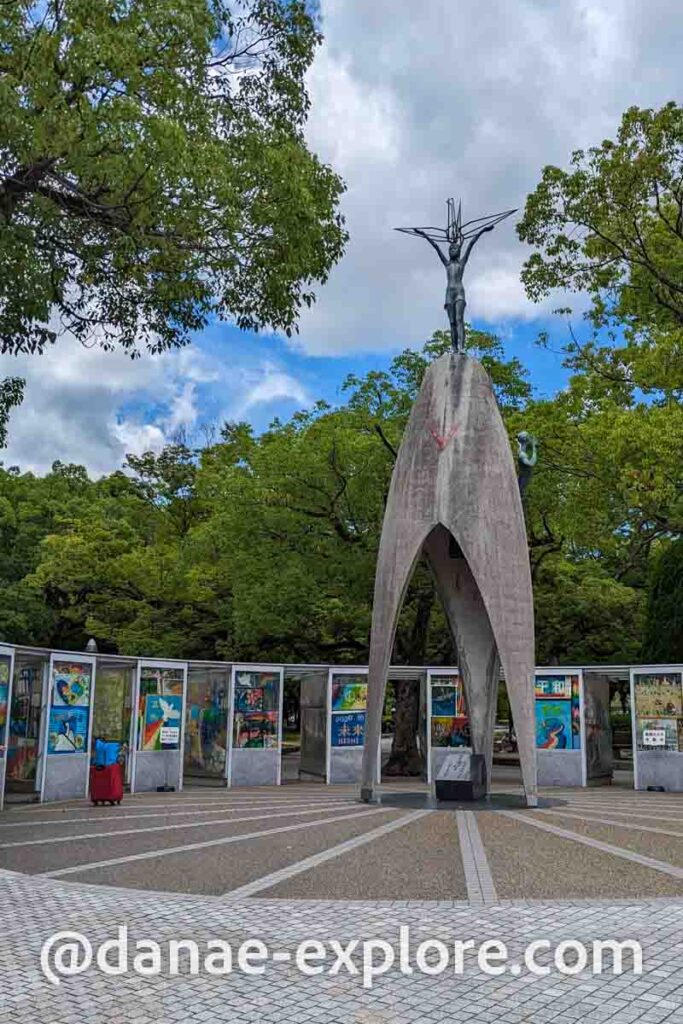
As you stroll through the park, you’ll come across several monuments, including the Fountain of Prayers, the Cenotaph for the atomic bomb victims, the Pond of Peace, and the Flame and Bell of Peace. The Children’s Monument is particularly moving — if you don’t already know the story of Sadako Sasaki and her thousand paper cranes, look it up before you go.
Across the Motoyasu River stands the Atomic Bomb Dome, still standing after all these years, and one of the most powerful symbols of the city’s resilience.
Not far from there is Orizuru Tower, with exhibitions, a rooftop café and bar, and panoramic views over the city. It’s not the tallest building around, but by all accounts the view is worth it — unfortunately, we were too hungry and tired to check it out ourselves.
All in all, we spent about three hours between the museum and the park.
.
.
2. Hiroshima Castle
After an intense morning, a change of scenery was just what we needed.
We stopped for lunch nearby at Sanukiya Kamiyachoten, though there’s no shortage of options near the Peace Memorial Park.
From there, we walked to Hiroshima Castle, passing the Hiroshima Museum of Art on the way.
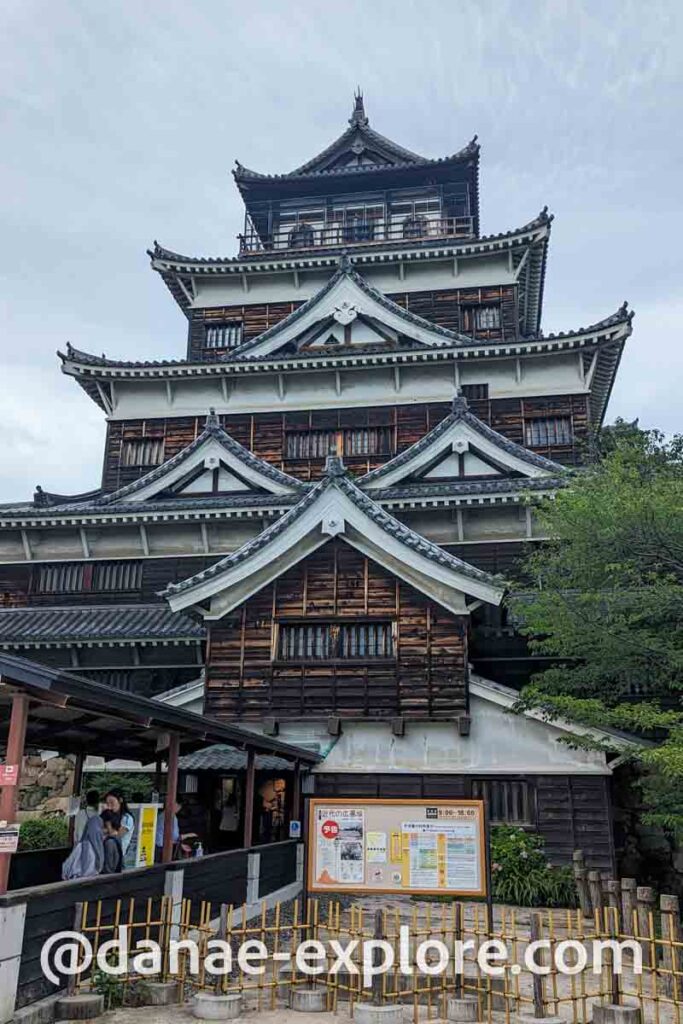
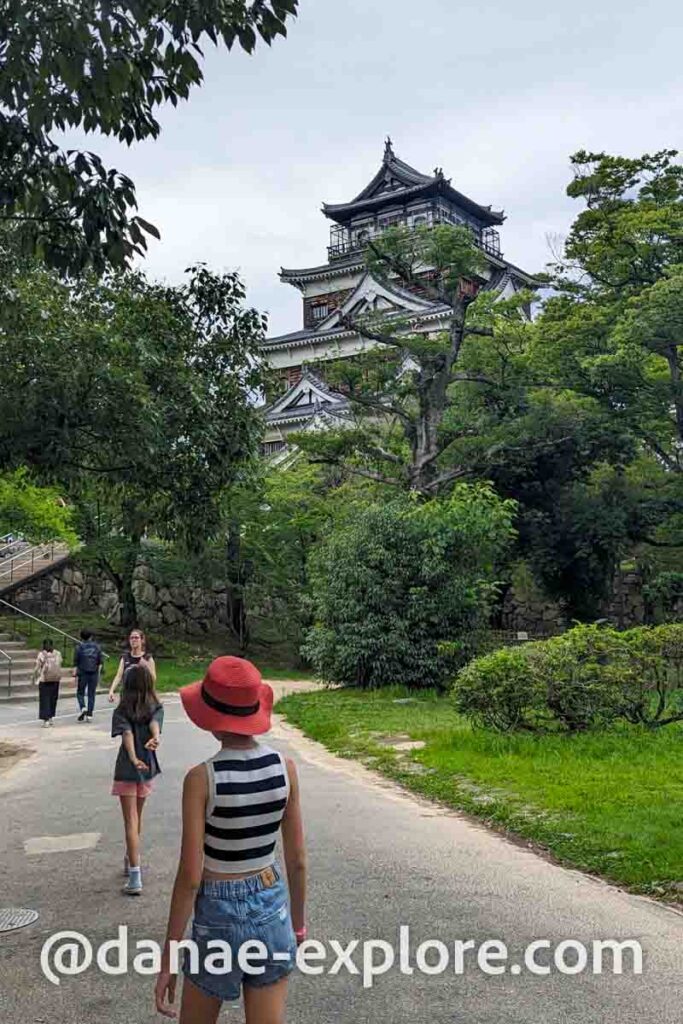
Hiroshima Castle was built in 1591 by the feudal lord Terumoto Mori and completely destroyed by the atomic bomb in 1945. What we see today is a reconstruction completed in 1958, faithful to the original on the outside, but modern within.
Inside, a museum traces the history of the samurai and the city as it was before the bombing, with a thoughtfully organized collection that’s well worth your time. The view from the top is impressive too, a striking contrast between the modern city and the history that shaped it.
And don’t skip the gardens surrounding the castle, they’re lovely.
.
This is just the beginning, Japan has so much more to offer. Here on the blog, alongside our full 4-week itinerary from the first trip, you’ll find accommodation tips for Tokyo, day-trips from Tokyo, itineraries for Kyoto, Hiroshima and the charming post towns of Magome and Tsumago plus the Tateyama-Kurobe Alpine Route for those looking to get off the beaten path. If Japan is on your list, you already know where to start 😉
.
3. Shukkei-en Garden
I’ll be honest — we didn’t have the time or energy to visit Shukkei-en Garden. After a full day at the Peace Memorial and Hiroshima Castle in the sweltering summer heat, we decided to head back to the hotel to recharge before the evening.
But if you love traditional Japanese gardens and are feeling up for it, or if your schedule is more flexible, I’d highly recommend setting aside time for a visit. By all accounts, Shukkei-en is a lovely place to unwind, with small lakes, picturesque bridges, and lush greenery, all in the classic Japanese garden style.
.
.
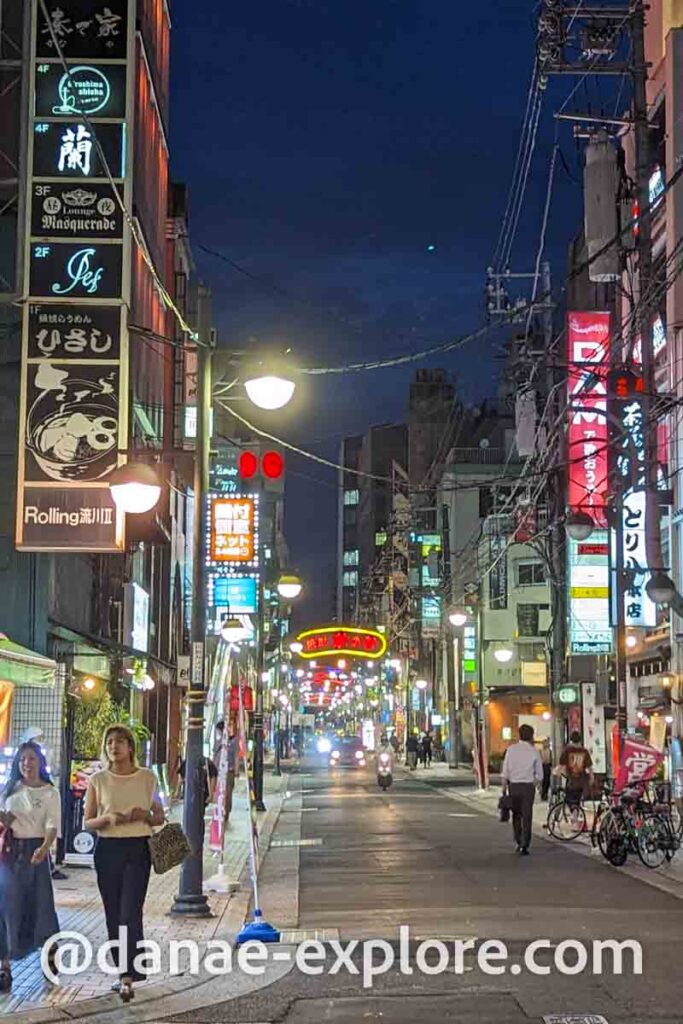
4. Hiroshima Hondori Shopping Street
After our visit to Hiroshima Castle, we returned to the hotel to rest, then headed out for dinner at a nearby Italian restaurant called Lucio. The food was fantastic.
After dinner, we made our way back to Hondori for one of the things we all enjoyed most during our entire time in Japan — karaoke! If you’re heading to Japan, do not skip this.
Karaoke bars in Japan offer private, soundproof rooms and an enormous song library. Whether you’re into the latest hits (yes, they have Taylor Swift’s full catalog — I checked, very important information if you’re traveling with pre-teens) or 80s rock classics, they’ve got you covered. During our trip, we went four times, twice in Hiroshima and twice in Kyoto, all at Big Echo locations. You pay by the hour — or half-hour — and food and drinks are available to order straight to your room. We skipped the food, but the draft beer was excellent.
.

.
5. Try Okonomiyaki
Hiroshima’s must-see attractions aren’t just museums, parks, and castles — its food scene is very much part of the experience.
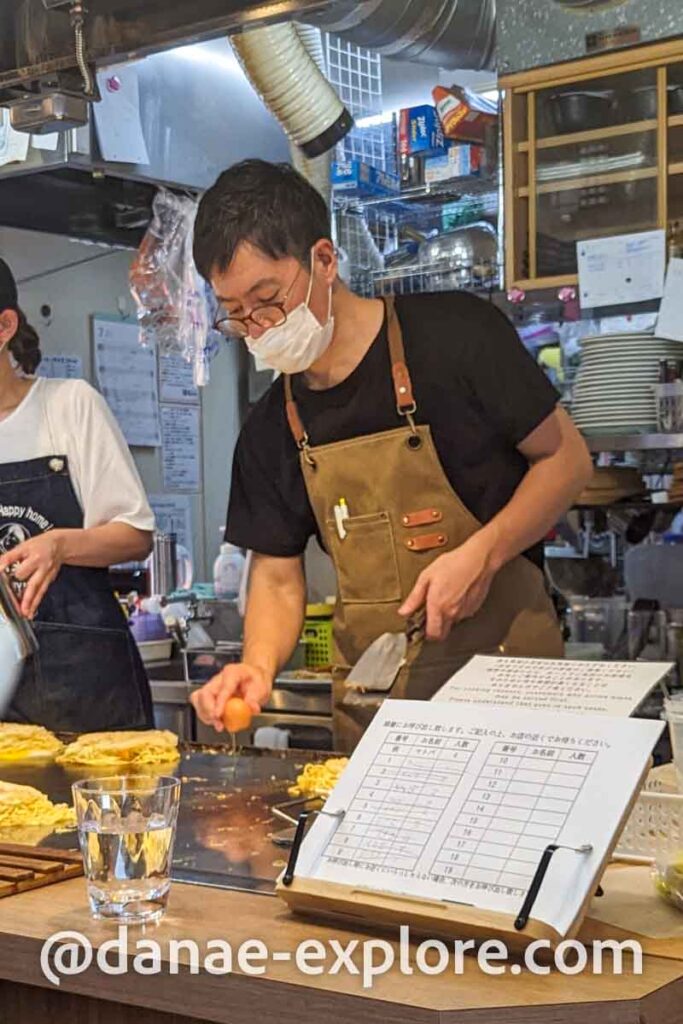
One dish you cannot leave Hiroshima without trying is okonomiyaki. We had it in Miyajima, and I still dream about that meal. I’ve had okonomiyaki back home (São Paulo has a huge Japanese community), but nothing compares to the Hiroshima version.
Okonomiyaki is often described as a Japanese pancake, but it’s so much more than that. The Hiroshima style is made with eggs and layers of cabbage, noodles, and a combination of ingredients that somehow come together into something extraordinary. There are plenty of restaurants in the area specializing in okonomiyaki, so finding a spot won’t be an issue.
.
.
Day 2: Exploring Miyajima
After a packed first day in Hiroshima, we dedicated day two to one of Japan’s most iconic destinations: Miyajima island.
With the JR Pass, getting there is a breeze. From Hiroshima Station, take a local train to Miyajimaguchi Station, then follow the signs — or the crowd — to the JR ferry terminal. The ferry is easy to spot and conveniently included in the JR Pass. Once on the island, follow the flow of people or pull up Google Maps to reach Itsukushima Shrine, the main attraction. From our hotel to the shrine entrance took about an hour.
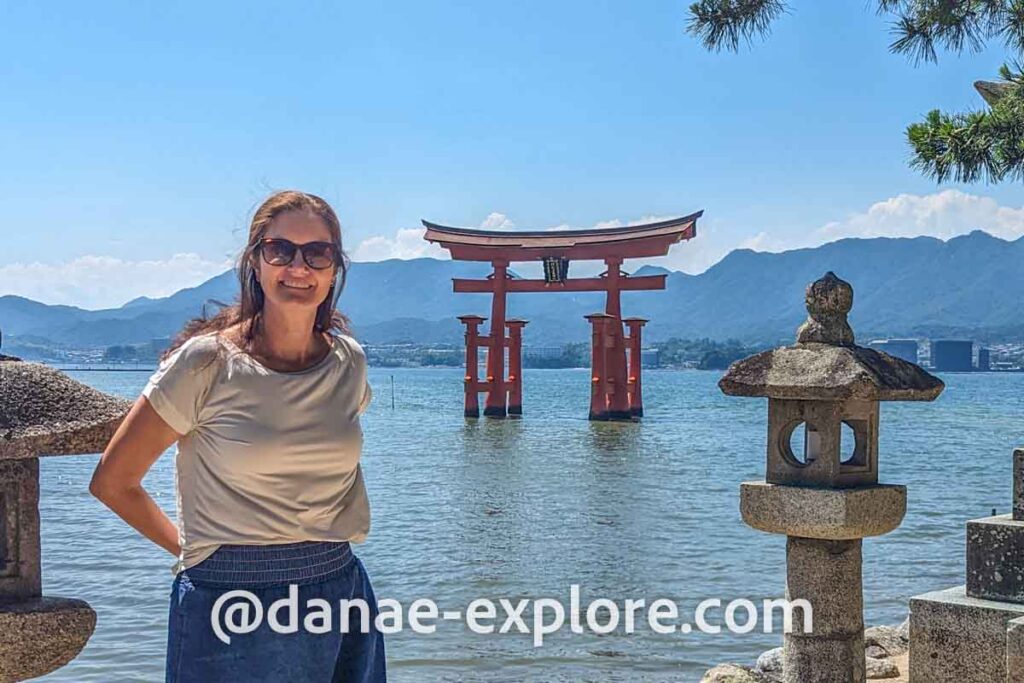
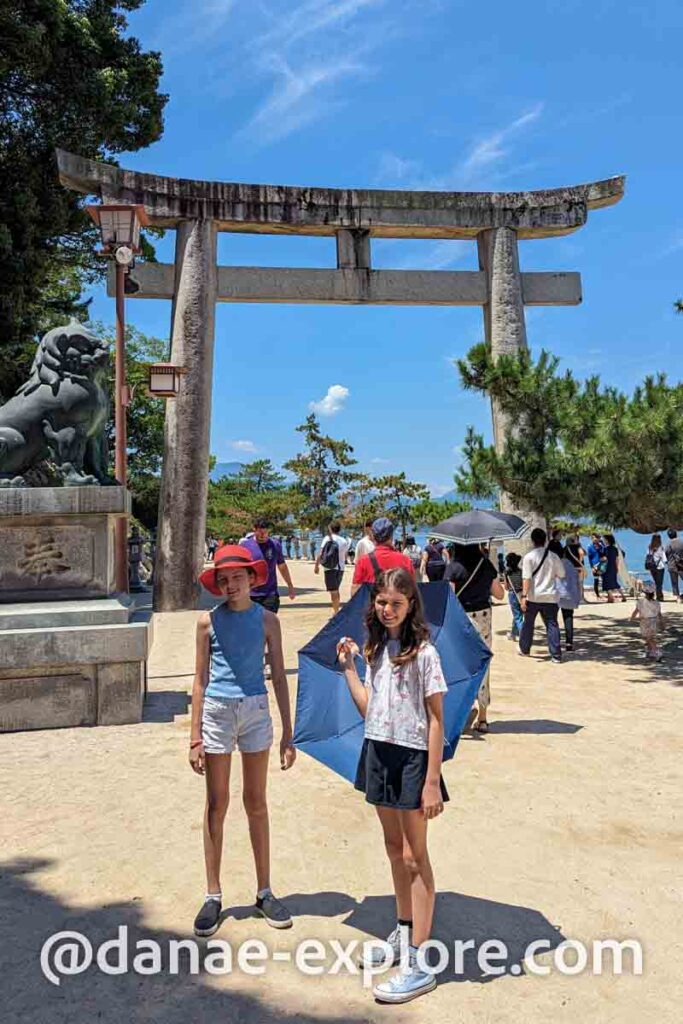
Don’t zone out on the ferry ride, the views are worth paying attention to. As the boat approaches Miyajima, you’ll catch your first glimpse of the floating Torii gate. We arrived at high tide, so the Torii was fully surrounded by water — quite the welcome to the island, and one of the most iconic sights in all of Japan.
Another option is the World Heritage Sea Route, a boat departing from near the Peace Dome. The crossing takes 45 minutes and costs ¥4,400 round trip. More details here.
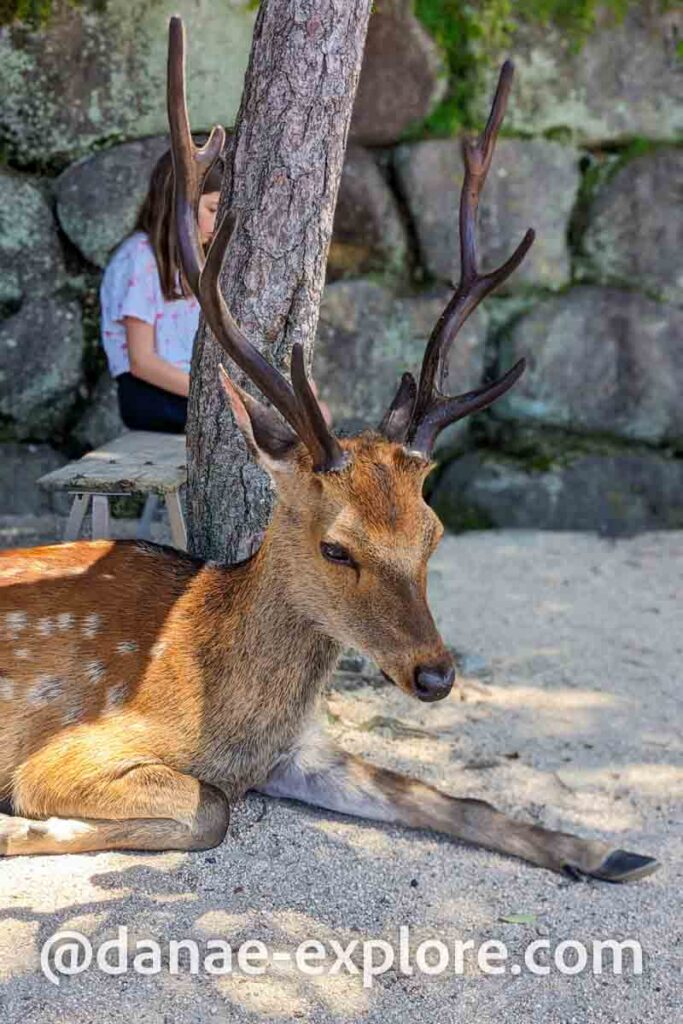
The moment we stepped off the ferry, we were greeted by the island’s resident deer, remarkably unfazed by the thousands of tourists passing through every day.
.
.
1. Itsukushima Shrine
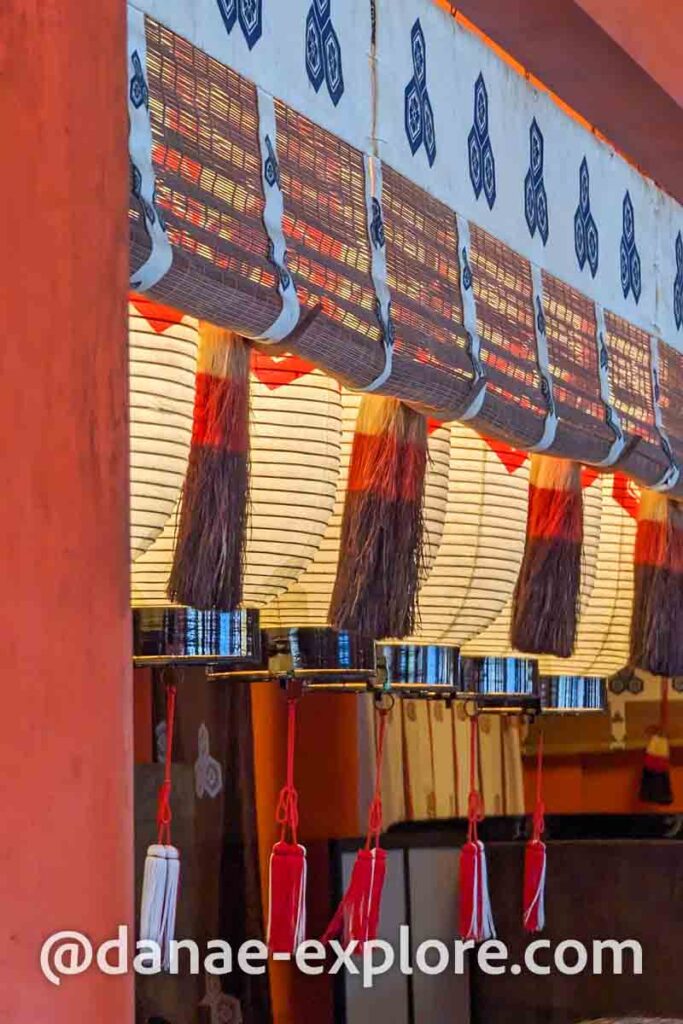
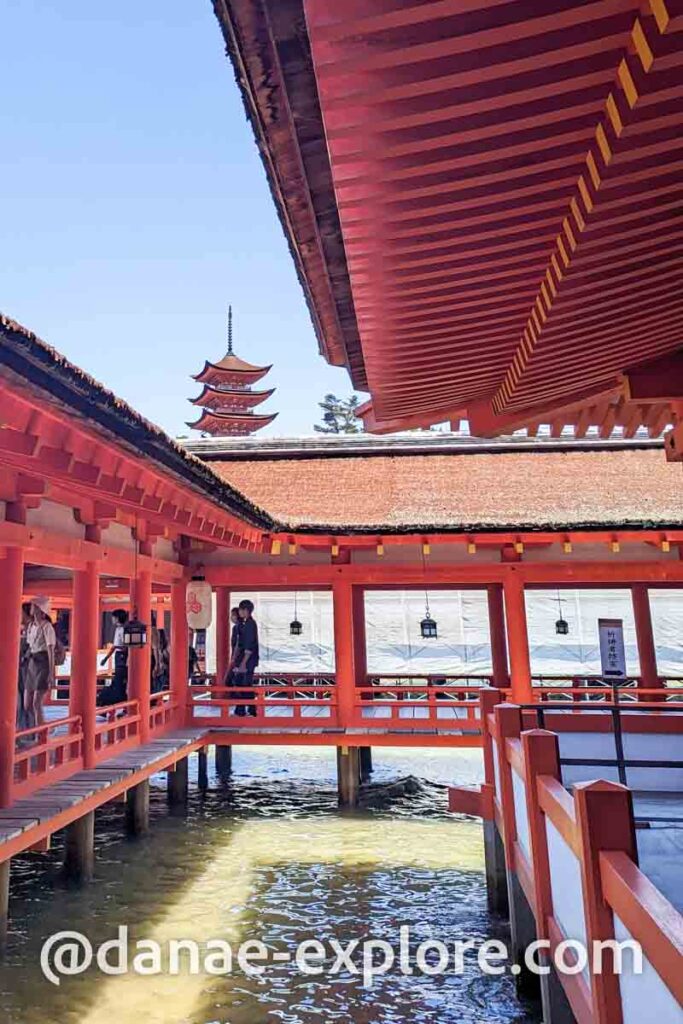
Miyajima’s main attraction is the Itsukushima Shrine, and the first stop for most visitors to the island.
The massive floating Torii gate is the star of the show. Depending on the tide, it either appears to float on the water or is accessible on foot at low tide. We were lucky enough to see it during high tide, and the sight of the Torii surrounded by the sea was nothing short of magical, like something out of a painting.
The shrine’s history dates back to the 6th century, but the earliest written record dates to 811 AD. It is built on walkways over the water and dedicated to the deities who protect against war and maritime disaster. The original buildings were destroyed by fire, rebuilt, and then destroyed by fire again, with the current structures dating from 1241. In other words, it’s impressive. The large floating Torii, being in the water, has suffered more damage and reconstruction over time, with the most recent reconstruction completed in 1875. It’s easy to understand why this place is a UNESCO World Heritage Site.
.
.
2. Climbing Mount Misen
After visiting the shrine, our plan was to climb Mount Misen, but the combination of heat, fatigue, and a very satisfying lunch made us rethink that plan.
The easiest way up is by cable car, but you can also hike if you’re up for it. It’s about a fifteen-minute walk from Itsukushima Shrine to the cable car station, and if you decide to hike the entire way, it takes just over an hour.
Once at the top, you’ll be rewarded with panoramic views of Miyajima and the Seto Inland Sea, as well as small temples and sacred sites scattered across the summit.
.
.
3. Daisho-in Temple
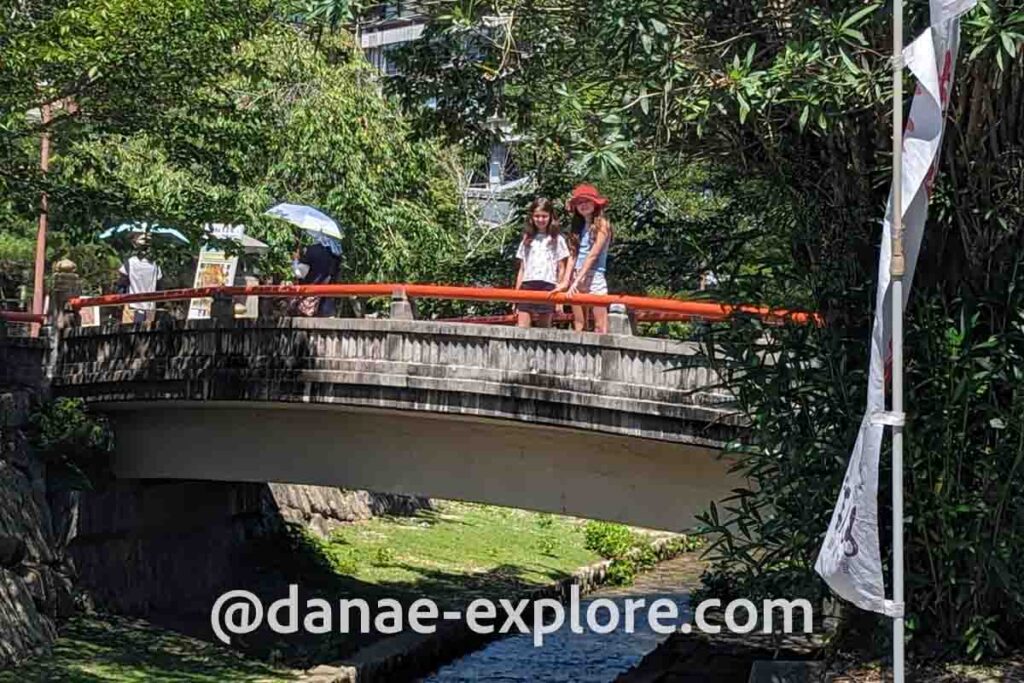
We made time to visit Daisho-in Temple, which is tucked away and far less crowded than Itsukushima Shrine, but just as captivating. Daisho-in has a more intimate and serene atmosphere, filled with statues, lanterns, and charming details. It’s about a fifteen-minute walk from the entrance to Itsukushima Shrine.
.
4. Omotesando Street
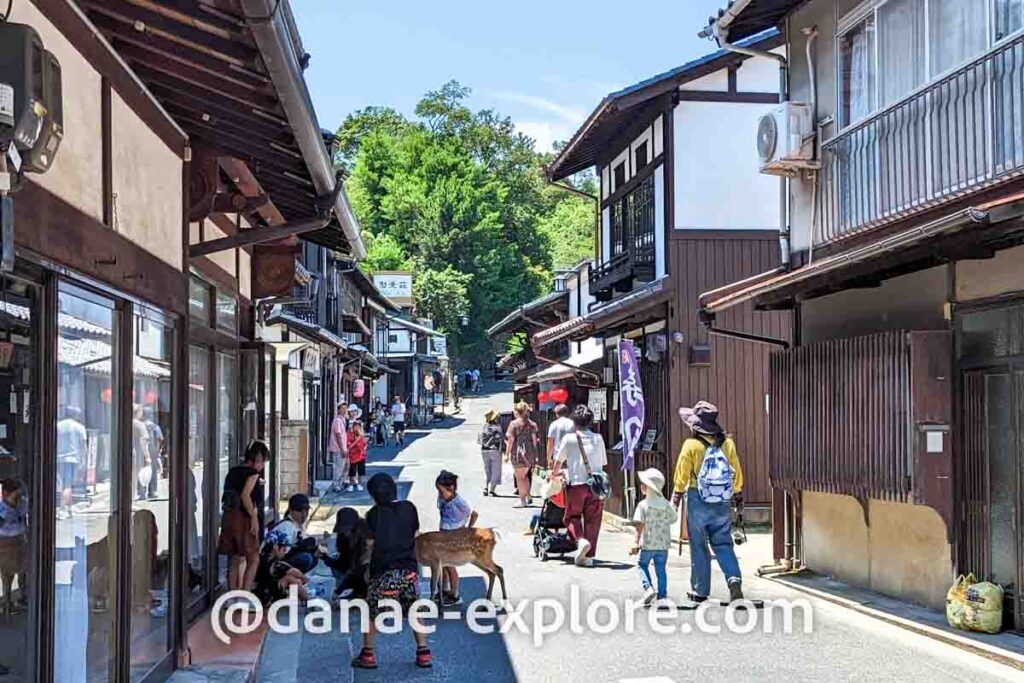
No trip to Miyajima would be complete without exploring Omotesando Street, the island’s bustling main shopping street, lined with restaurants and souvenir shops.
The best route from the ferry terminal to the shrine takes you right through it. Be warned, though — while some shops offer unique and beautiful items, others are pure tourist trap territory.
Although there are plenty of dining options along Omotesando, we opted for a restaurant off the main strip. We went to Matochan, a place that specializes in okonomiyaki, and I’m still dreaming about that meal. It was hands down one of the best dishes I had in Japan, and that’s saying something in a country where the food is almost unfairly good. If you visit Miyajima, you have to try the okonomiyaki at Matochan.
After wandering around a bit more, snacking on momiji manju (a sweet bean-filled pastry shaped like a Japanese maple leaf) and eating plenty of ice cream to combat the heat, we made our way back to Hiroshima the same way we came: ferry and JR train.
.
.
After our time in Hiroshima, we boarded the bullet train and continued on to Kyoto. Check out my post on Kyoto for that part of the trip!
Detailed itinerary of our trip to Japan
Here’s the full itinerary for our four-week trip to Japan and below you’ll find the Google MyMaps link with everything plotted out. Just click on the map and save it to your Google account. When you’re ready to plan your own trip to Japan, you’ll know exactly where to start! 😉
The map includes details on everything we did, where we stayed, and the best places we visited, organized into layers and color-coded by region.
How to use this map: Click the menu tab in the upper left corner of the map to access different layers, including points of interest and routes. You can toggle layers on and off by checking the corresponding boxes. To see details about specific locations, click on the icons on the map.
To save this map to your Google Maps account, just click the star icon next to the map title. To access it later on your phone or computer, open Google Maps, tap the menu button, go to “Your Places”, select “Maps”, and you’ll find this map saved there.
Here are the websites I always use to plan my trips:
– 🛌 Accommodation: Booking
– ☀️ Tours & activities: Civitatis & Get Your Guide
– 📱 eSIM for mobile data: Airalo e-SIM – use promo code DANAE2375
– 🚗 Car rental: RentCars – use promo code DANAE, or DiscoverCars
.
Check out all our posts about traveling in JAPAN:
- 4-week Japan itinerary: the best of Japan for a first trip to the Land of the rising sun
- Where to stay in Tokyo
- Beyond Tokyo: 7 day-trips that live up to the hype
- The best of Kyoto: what to do in 4 or 5 days in Japan’s ancient capital
- Tateyama Kurobe Alpine Route – Your ultimate guide to the journey crossing the Japanese Alps
- Nakasendo Road, from Magome to Tsumago, the most beautiful villages of medieval Japan
- Hiroshima: 2-day itinerary, with a day trip to Miyajima
- Sapporo: complete itinerary and tips for skiing in Hokkaido
- 10 things you need to know before traveling to Japan
.
Here are our posts about other destinations in Asia:
- 3-week itinerary through Southeast Asia – the best of Thailand, Laos and Cambodia
- Siem Reap and Angkor Wat in Cambodia
- New Year’s Eve in Siem Reap, Cambodia
- What to do in 3 days in Luang Prabang
- The best of South Korea: 7-10 day itinerary
.
Did you like these tips? Then follow me on social media:
Instagram @danae_explore
Pinterest @danaeexplore
Comments or questions? Contact me on social media! I love to chat about travel 😉
And before you go, don’t forget to SAVE THIS PIN to your PINTEREST account, so you can easily find this post with the 2-day itinerary in Hiroshima, with a day trip to Miyajima, whenever you need it!