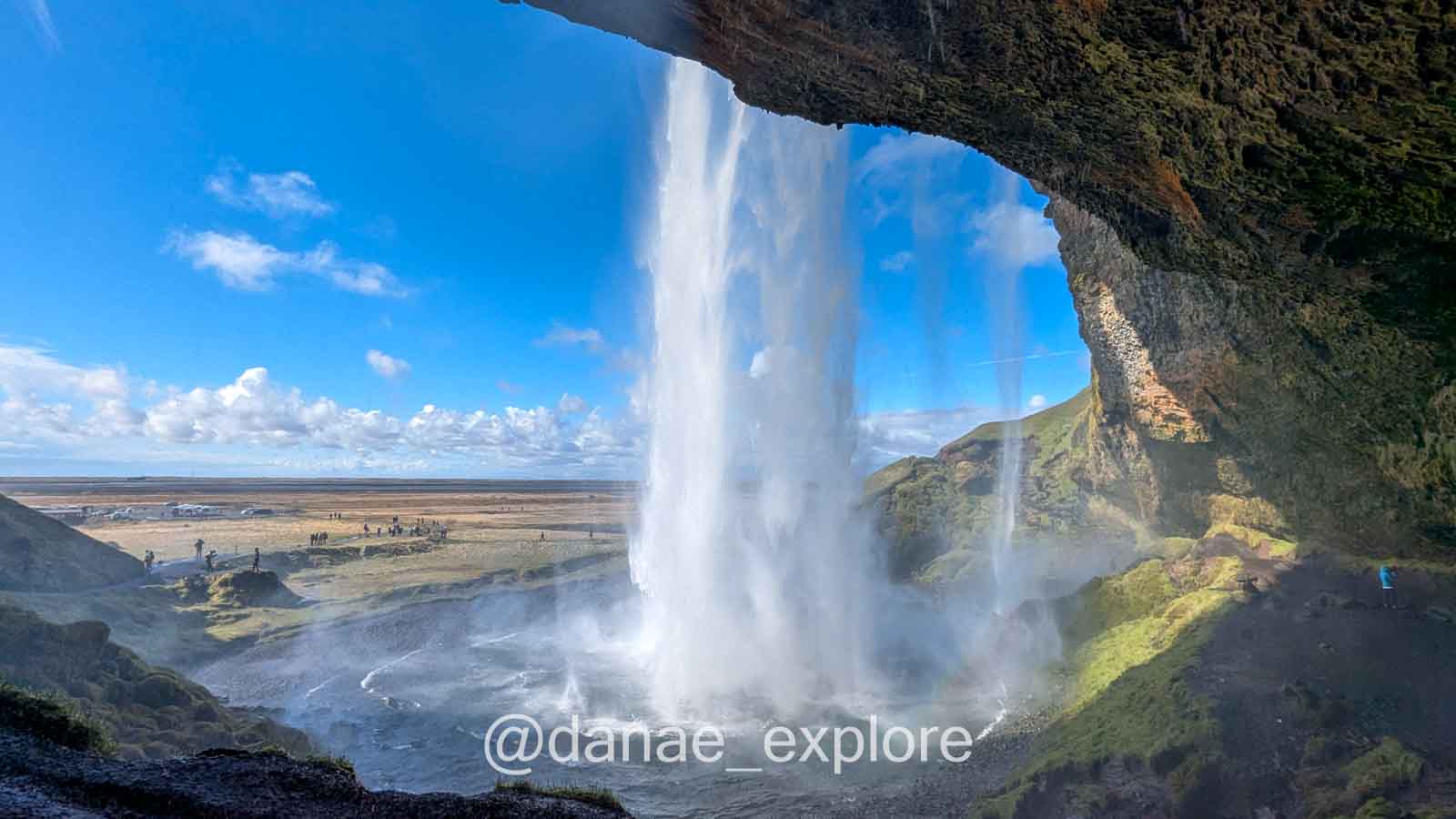

Practical tips to help you visit one of the world’s most beautiful (and expensive) countries.
If you’re thinking about visiting Norway or dreaming of it, probably one of the first questions that crosses your mind is: how much does it really cost to travel in Norway?
I asked myself the same question, did a lot of research, crunched the numbers, and finally came up with a 12 day Norway itinerary, all within budget! Even so, it ended up being one of the most expensive destinations we’ve visited in recent years, even more expensive than Japan, United States and Spain, for example.
But it was worth every penny. Norway’s landscapes are absolutely stunning. And when you leave, you’ll probably think, “I could’ve saved more and stayed one more day.”
With a few simple strategies and good planning, it is possible to bring down the cost of your trip and still make the most of everything Norway has to offer.
Here, I’ll share what we did to make this dream a reality. Let’s break down how much it costs to travel in Norway!
First of all, follow me on Instagram @danae_explore – that’s where you can keep up with my trips, find lots of travel tips, and send me a DM anytime. I love chatting about travel!

How to save on accommodation in Norway
Accommodation is usually, after airfare, the biggest expense of a trip, and it’s often one of the easiest areas to save on.
Prices in Norway, like anywhere else, vary greatly depending on location, type of stay, and level of comfort.
For 2- to 3-star hotels, you can expect to pay between US$70 and US$130 per night for a double room. In Oslo, we stayed at Citibox Oslo, which offered the best value we could find, at US$106 for a double room and US$220 for a family room. We traveled in July, peak summer season.
In other places like Flam, Geiranger, Bergen, and Stavanger, we made the most of traveling in a group of seven and stayed in apartments. We spent between US$50 and US$80 per person per day on these accommodations, which you can check out in our complete Norway itinerary.
In an expensive country like Norway, staying somewhere with a kitchen offers an extra benefit: we could prepare meals at home and cut down on food costs.
Another way to save is by choosing accommodations slightly away from the main attractions. Skip the prime location and opt for a nice place that’s just a little further out, it can make a big difference to your budget.
.
.
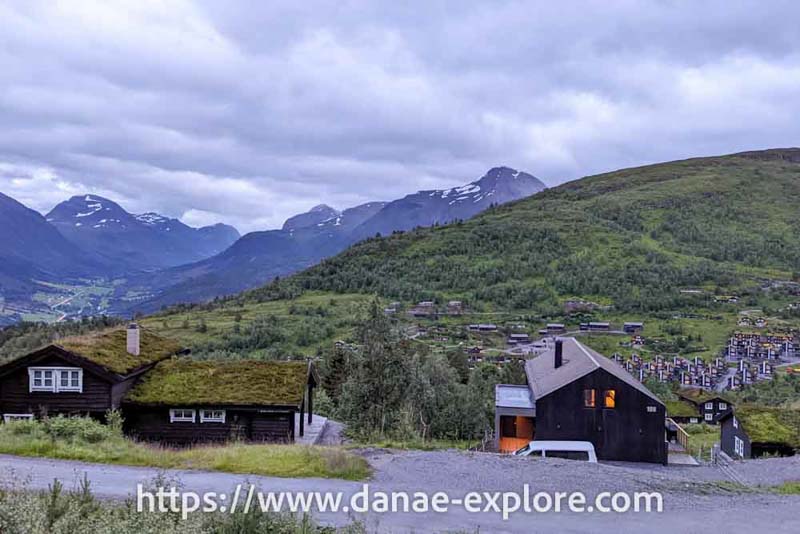
In Geiranger, we skipped the prime location (imagine a hotel overlooking one of Norway’s most beautiful fjords) and chose a charming and comfortable chalet, a bit farther from the main attraction.
The same happened in Flåm: we couldn’t find reasonably priced accommodation in the village, so we stayed in a comfortable house about 40 km from the starting point for the tours. Since we had a rental car and easy, free parking, the more remote location wasn’t an issue.
In Stavanger, our rental was just a 15-minute bus ride from the city center.
.

.
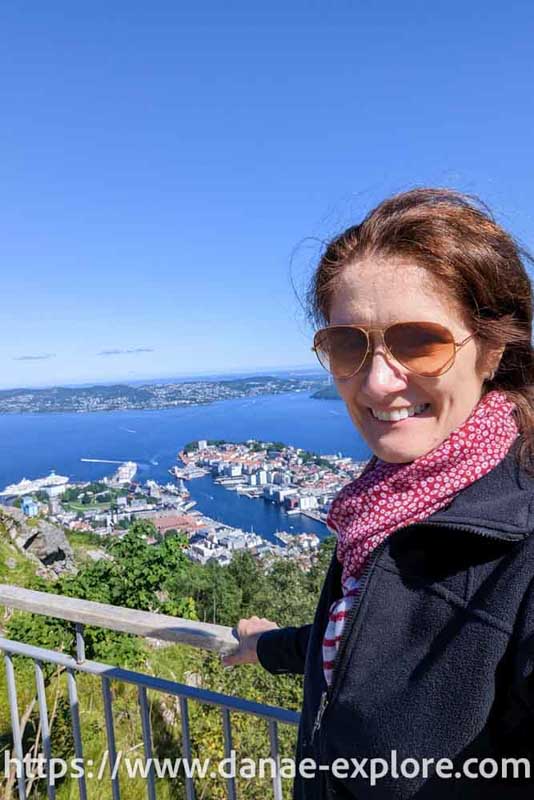
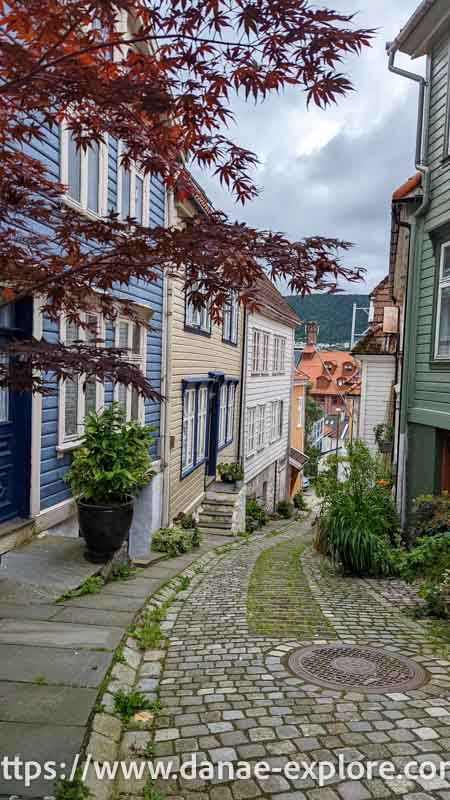
In Bergen, I wanted to stay in Bryggen, the historic part of town with most of the action, restaurants, and shops. We ended up opting for a house that wasn’t perfect in terms of looks, but its location was spot on, and the price fit our budget.
In other words, in each place we stayed, we had to compromise on something that, in a more affordable country, we might not have compromised on.
The key is to do your research ahead of time. The earlier you start looking, the more options you’ll have, and the more likely you are to find accommodation that meets your criteria at a price you can afford.
Another factor that affects costs is the time of year. In Norway, summer is the high season, so if you have flexibility, traveling in spring or autumn can be a great way to lower accommodation expenses.
So why not start searching for your accommodation in Norway now?
.
Food in Norway
Restaurant prices in Norway can come as a bit of a shock.
A simple meal at an average restaurant can easily cost around US$30 to US$40, while a dinner at a more upscale restaurant can exceed US$80 per person, without drinks.
To cut down on food costs, the best tip is to eat at home.
We made the most of the fact that most of our accommodations had kitchens: we had breakfast at home every day and prepared most of our dinners there as well.
On the day we visited Preikestolen and during our kayak tour in Flåm, we packed sandwiches and fruit for a picnic by the fjords.
Try to use local markets as much as possible and prepare your own meals, especially since, in my opinion, the local cuisine isn’t impressive enough to justify more than a few meals in traditional restaurants.
Planning another trip in Scandinavia? Iceland can be just as expensive, but we used many of the same strategies to keep costs under control. Check out our 9-day Iceland itinerary and the best things to do in the South and East of the island.
.
Alcoholic drinks in Norway
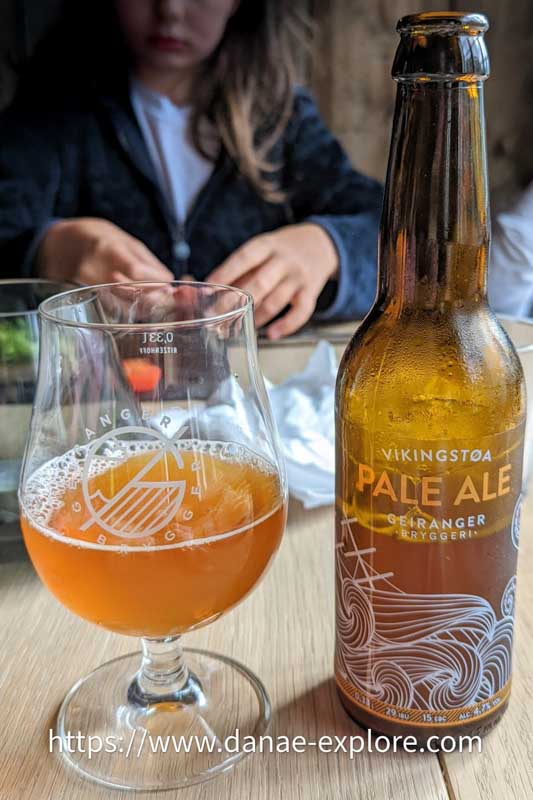
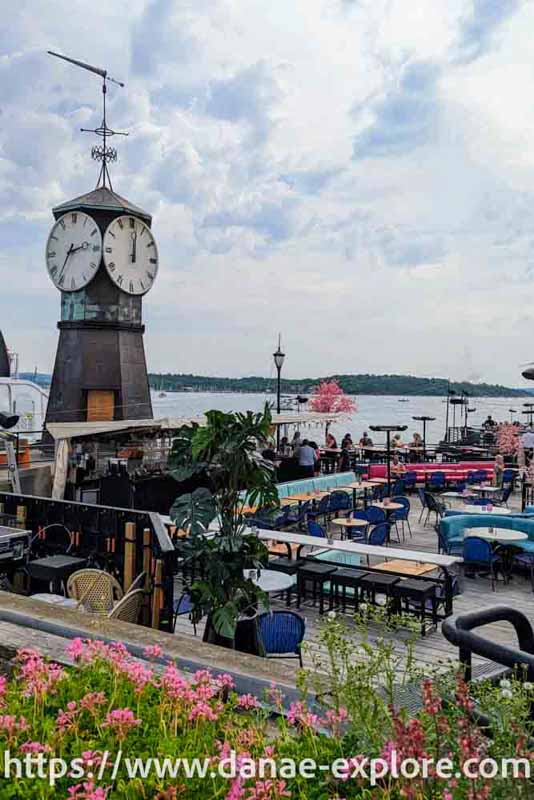
Alcoholic drinks in Norway are very expensive. Really expensive.
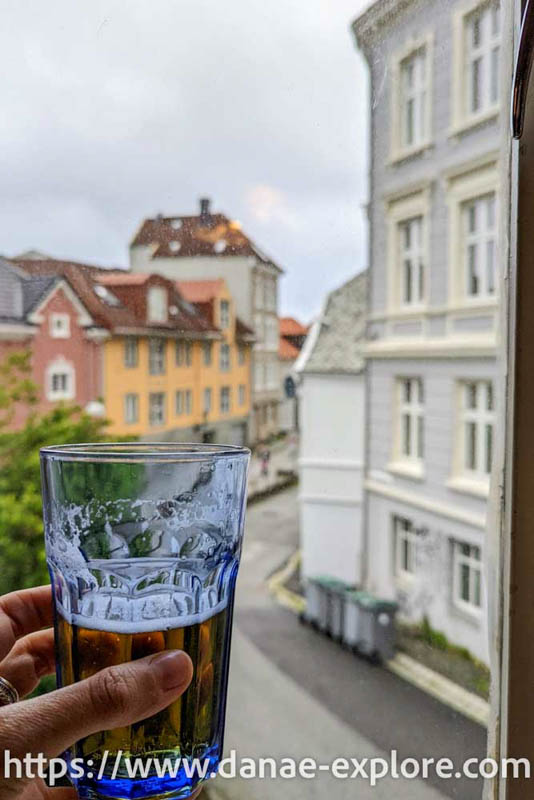
The first and only time I ordered a beer in a restaurant, I was shocked when I saw the bill, around US$18 (without tip) for a basic beer in an average restaurant.
If you don’t drink alcohol, even better. This is a very simple and effective way to save money on your trip to Norway. But if you, like me, think a vacation goes perfectly with a good glass of wine enjoyed in great company, here are my tips:
- Buy at the duty-free shop the amount of alcohol you plan to consume during your trip, or the maximum allowed. Based on information from the Norwegian customs website, at the time of this writing, the limit for non-residents is 1 liter of spirits and 2 bottles of wine, or zero spirits and 4 bottles of wine, and 2 liters of beer, per person over 18 years old. For drinks with more than 22% alcohol, the age limit is 20 years old, and it is prohibited to bring drinks above 60%.
That’s another plus of staying in a house and having dinner at home: you can enjoy your wine without feeling guilty and without worrying about driving or finding your way back.
. - Keep in mind that alcohol sales are regulated by the government, and in practice, this is strictly enforced:
- In supermarkets, you can only buy light beer, with up to 4.7% alcohol.
- Beer is only sold in supermarkets until 8 pm on weekdays and until 6 pm on Saturdays. On Sundays, the sale of alcoholic beverages is not permitted. Only restaurants and bars can sell alcohol outside these hours.
- Any beverage above 4.7%, including wine and spirits, is only sold in state-owned stores called Vinmonopolet. We didn’t come across any, but we also weren’t actively looking. These stores are open on weekdays until 6 pm and on Saturdays until 3 pm.
.

.
Transportation in Norway
Norway’s public transport system is efficient and, while it may seem expensive, it’s often the most economical way to get from point A to point B.
The country’s train service, operated by VY, is known for its comfort and punctuality. However, the main reason to take a train in Norway is to take in the landscapes you’ll see from the window.
We took the train from Oslo to Voss, and from Voss to Bergen. Check the VY website for updated prices. At the time of writing, tickets from Oslo to Bergen were around US$51.
In Voss, we rented a car for the days we were in Flåm and Geiranger. We used Hertz, and even though Norway is one of the world’s largest oil producers, fuel isn’t cheap. Unfortunately, I didn’t note the exact prices, but it was higher than what we’re used to paying.
To rent a car, I always use RentCars, where I usually find the best options, and with the DANAE promo code you still get an additional 5% off. Shall we go?
Attractions and Activities in Norway
Norway’s main attraction is completely free: the scenery!
However, there’s always a catch. You will often have to spend some money to truly appreciate it.
Below is what we did and the prices (per adult):
- Train from Oslo to Bergen (not exactly a sightseeing tour, but the views are stunning): US$51
- Boat trip on the Nærøyfjord: US $ 58
- Train from Flåm to Mydral on the Flamsbana: US $ 47
- Bicycle rental at Café Rallaren: US$42
- Kayak Tour: US$120
- Viking Valley: US $ 21
- Driving from Flåm to Geiranger: there are no tolls.
- Borgund Stave Church: US$12
- Ferry in Geiranger: US$93 (1 adult + car)
- Entrance to Dalsnibba viewpoint: US$31 per car
- Funicular in Bergen: US $ 12
- Bergen Fortress: free
- Preikestolen hike: the hike itself is free, but if you don’t have a car, you will have to pay for transportation to get there. We went by bus, US$37. If you go by car, you’ll have to pay tolls and parking, so expect to spend around US$34.
.
These were the main activities we did; the rest, as I recall, were either free or had minimal cost.
It is possible to do the Flåm tour as a day trip from Bergen,including the boat departing from Bergen, the Flåmsbana train, and the return to Bergen by train. The tour is called Norway in a Nutshell tour, and there are several operators offering this tour, so do your research and choose the one that best suits your plans.
Cash
If I tell you that we spent 12 days in Norway and at no point did I see a banknote?
We used cards for everything. Pretty much everywhere accepts cards. Take your international card and you’re good to go.
.
.
Best SIM card to use in Norway
In Norway, as well as on other international trips, I used the Airlado e-SIM card, which I bought at home nd activated as soon as I arrived at Oslo Airport. It worked very well and, in my experience, is always the most economical option.
With the promo code DANAE2375 you get US$3 off your first purchase!
.
Here are the websites I always use to plan my trips:
– 🛌 Accommodation: Booking
– ☀️ Tours & activities: Civitatis & Get Your Guide
– 📱 eSIM for mobile data: Airalo e-SIM – use promo code DANAE2375
– 🚗 Car rental: RentCars – use promo code DANAE, or DiscoverCars
.

.
So, how much does it cost to travel in Norway?
For a comfortable trip, with mid-range accommodation, estimate the following expenses per person, based on two people sharing a double room:
- accommodation: US$60 per night
- food: US$50 per day (assuming some meals are eaten at home or are simple snacks)
- activities: US$50 per day
- car rental: US$75 per day (economy car, split between two people)
- other expenses: US$5 per day (local transport, small purchases like water, snacks, ice cream, etc.)
- additional costs: SIM card, travel insurance: from US$26 for 1 week of travel
.
Keep in mind that this was approximately what we spent on a 12 day Norway trip, in July, during peak summer season, so prices may vary at other times of the year.
Adding it all up, estimate around US$240 per day per person, excluding the cost of airfare. It’s not very different from a trip with the same level of comfort and similar activities to other “expensive” destinations such as the United States or the UK. I think it’s expensive, but it’s worth it, I promise!
What do you think? Is Norway expensive to travel to or not?
.
Posts to inspire and help you travel to Scandinavia:
- The best of Norway in 12 days: our complete itinerary
- Is it expensive to travel in Norway? Smart strategies to reduce the cost of your trip
- Preikestolen with children – what it’s like to hike the most beautiful trail in Norway
- 5 unmissable small towns in Europe
- Our 8-day Iceland itinerary – and suggestions for 5-9 days
- What to do in Iceland: the best of the south and east of the island
.
And here our posts about other destinations in Europe:
Greece
- The best itinerary for a 15-day road trip around mainland Greece
- What to do in 2 or 3 days in Athens
- 5 unmissable small towns in Europe
Spain
- 10 days in Andalucia – Our itinerary through southern Spain
- What to do in 2 days in Granada, Spain
- Ronda, the most charming city in Southern Spain
Balkans: Croatia, Serbia, Montenegro and Bosnia-Herzegovina
- Ultimate guide to Kotor, Montenegro: what to do, where to stay, when to go, and much more
- Mostar – what to do in the most charming city in Bosnia and Herzegovina
- 20-day itinerary through the Balkans, in Eastern Europe – Serbia, Montenegro, Croatia and Bosnia-Herzegovina
- What to do in Sarajevo: 1 or 2-day itinerary in the capital of Bosnia and Herzegovina
Portugal
- Portugal in two weeks: our complete itinerary and tips
- One week in the Azores – Complete itinerary with Sao Miguel, Pico and Terceira Islands
- São Miguel, Azores: your complete guide to the largest island in the Azores
- Pico Island – complete guide to visiting the most picturesque island in the Azores
- Terceira Island (Azores) – itinerary and tips
.
Did you like these tips? Then follow me on social media:
Instagram @danae_explore
Pinterest @danaeexplore
Comments or questions? Contact me on social media.! I love to chat about travel 😉
And before you go, don’t forget to SAVE THIS PIN to your PINTEREST account, so you can find this post that helps you find out if it is expensive and how much it costs to travel in Norway whenever you need it!