
First time in Bogotá? Here’s everything you need to know to make the most of Colombia’s largest city.
Our twelve-day trip to Colombia began in the capital, Bogotá, continued to Cartagena and ended at Tayrona National Park, near Santa Marta. Bogotá was the perfect introduction to the country and a fantastic experience.
Despite being close to the equator, Bogotá sits at an altitude of 2,600 meters, which gives it a mild climate year-round. We visited in January (technically winter, since Bogotá, although in South America, lies in the Northern Hemisphere), and the weather was very pleasant. It was sunny and comfortably warm during the day, with a pleasant chill in the early morning and evening.
First of all, follow me on Instagram @danae_explore – that’s where you can keep up with my trips, find lots of travel tips, and send me a DM anytime. I love chatting about travel!
.
What to do in 3 days in Bogotá
The first day in Bogotá was all about arriving in the city and settling into our hotel, located near Parque de la 93, in the northern part of the city. That afternoon, we explored the surroundings, an area of Bogotá full of great restaurants, bars, and shops.
We had lunch, grabbed some ice cream, and sipped local coffee, both at the ubiquitous Juan Valdez (I’d say it’s the Colombian equivalent of Starbucks, although there are actual Starbucks locations too, including one right by Parque de la 93) and at a local café (Azahar Café). We toasted the start of the trip with a local beer, the kids enjoyed the playground at Parque de la 93 and later the hotel pool, which had a beautiful view of the city. In other words, we were in full vacation mode, no plans, no stress. The real sightseeing would begin the next day.
.
.
La Candelaria
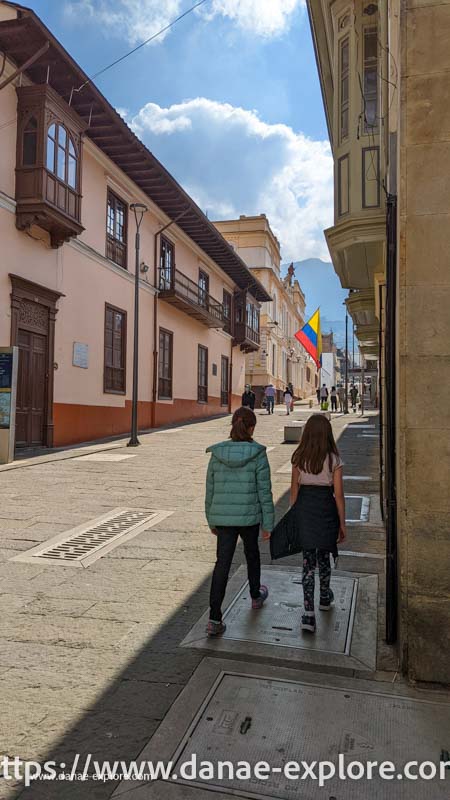
The next day, we headed to explore Bogotá’s historic center, the La Candelaria neighborhood. Get ready to walk, there’s a lot to see around there. We took an Uber and it worked perfectly. It was a Sunday, so there was no traffic, and the streets felt fairly quiet. On weekdays, it’s probably much busier.
Everything is within walking distance, which makes it a great alternative to joining a guided walking tour.
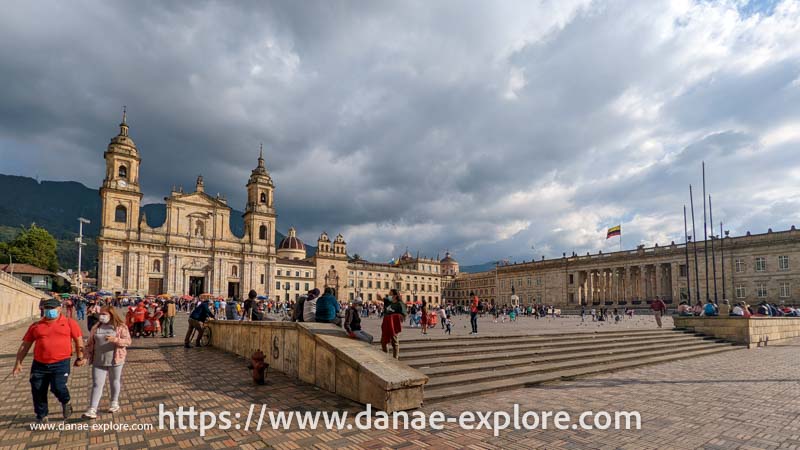
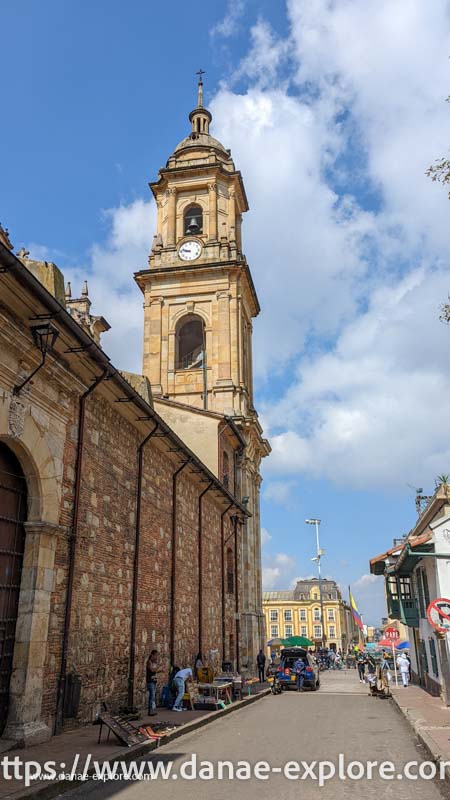
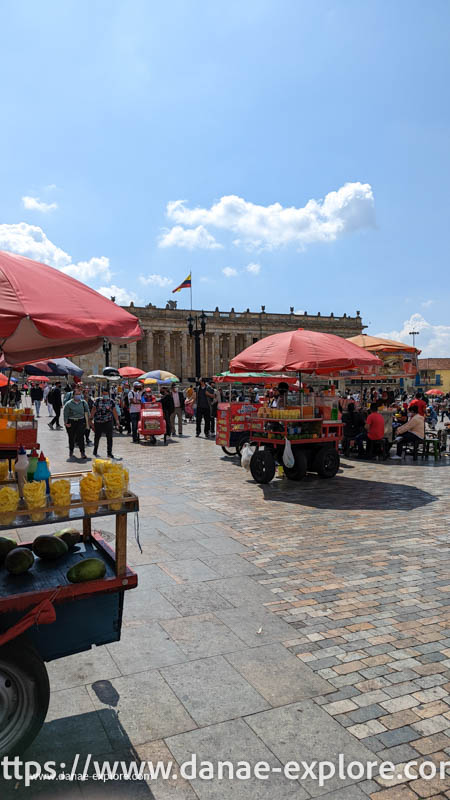
We started at Plaza de Bolívar, the city’s main square, home to the Congress, the Supreme Court, and the impressive Cathedral (Catedral Primada de Colombia), along with several other historic and government buildings. Construction of the Cathedral began in 1807 and was completed in 1823.
There are plenty of street vendors in the area, especially in front of the Cathedral, selling everything from food and handicrafts to souvenirs and balloons. I recommend trying mango with lemon and salt, it may sound unusual, but it’s delicious.
From there, walking along Calle 11, you’ll come across the Gabriel García Márquez Cultural Center and the Botero Museum, as well as the Independence Museum, the Luis Ángel Arango Library, and several churches and historic buildings.
.


.
Botero Museum
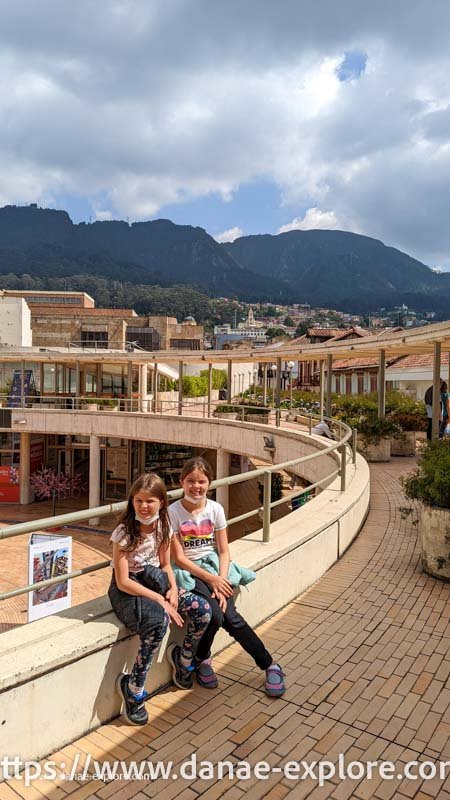
Museo Botero is a must-see. It’s located in a group of colonial houses and is run by the Banco de la República de Colombia.
In 2000, artist Fernando Botero, known for his signature “chubby” figures, donated a collection of 123 of his own works and 85 pieces by international artists, including Claude Monet, Pierre-Auguste Renoir, Camille Pissarro, Edgar Degas, Salvador Dalí, Pablo Picasso, Toulouse-Lautrec, Joan Miró, Francis Bacon, Alexander Calder, Gustav Klimt, Giacometti, and others from the 19th century onward.
Entry is free, and it’s a great place to spend some time. Botero’s work is simple yet fascinating, his reinterpretations of famous pieces are fun, and beyond the iconic figures and animals, there are even chubby fruits.
The rooms are arranged around an inner courtyard in a historic house, creating a welcoming and easy-to-navigate space. It’s a small, well-organized museum where you can explore each room at your own pace and still see everything in just a few hours, without crowds (at least during our visit).
The coffee shop next to the museum is excellent.
.

.
Gabriel Garcia Márques Cultural Center
We also visited the Gabriel García Márquez Cultural Center. As a fan of his work, I have to say I expected a bit more from the place. When we visited, there were no exhibitions or events.
The bookstore on-site is excellent, with a good selection of books in English and other languages, and the terrace upstairs is a pleasant spot to take a break and watch the street below. There’s also a branch of the ubiquitous Café Juan Valdez.
.

.
Museo del Oro
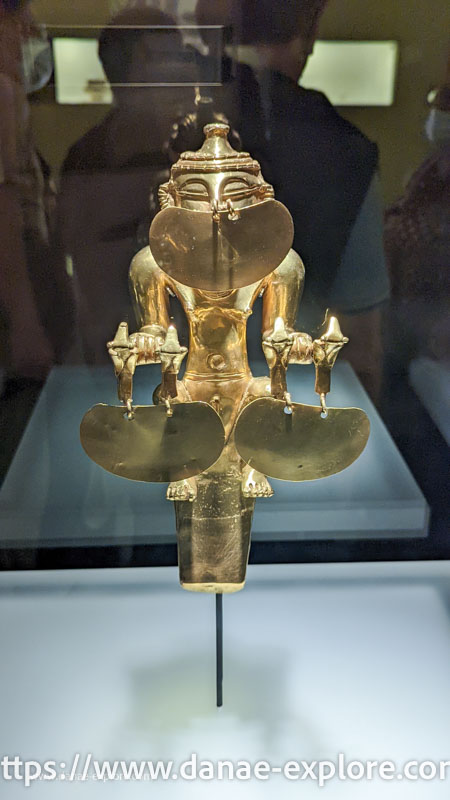
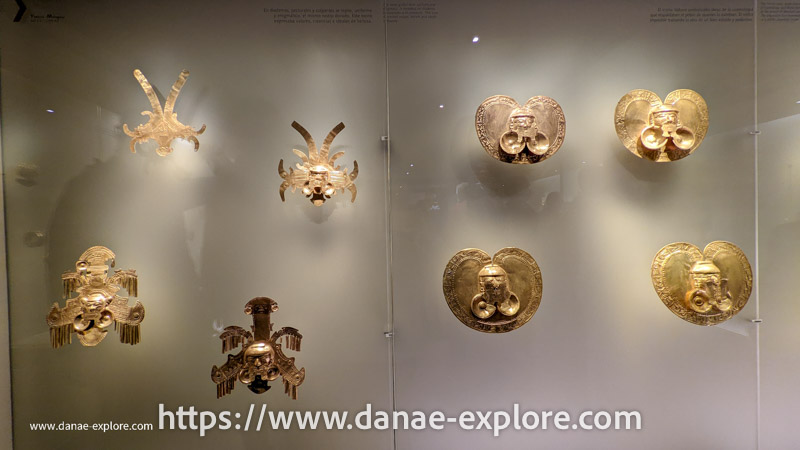
From the Botero Museum or the Gabriel García Márquez Cultural Center, it’s just a few blocks away to the Museo del Oro. Another must-see in Bogotá, the Gold Museum showcases the history, culture, and art of Colombia’s Indigenous peoples, the so-called pre-Columbian cultures.
The number of gold pieces is impressive, along with countless artifacts made from materials such as silver, ceramics, stone, bone, shell, and textiles, representing different periods and cultures that inhabited what is now present-day Colombia. The museum is very well organized, with information available in both Spanish and English.
.
.
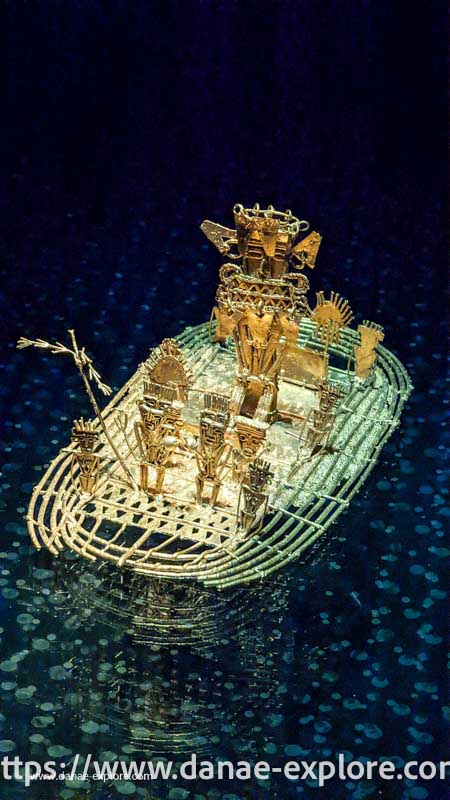
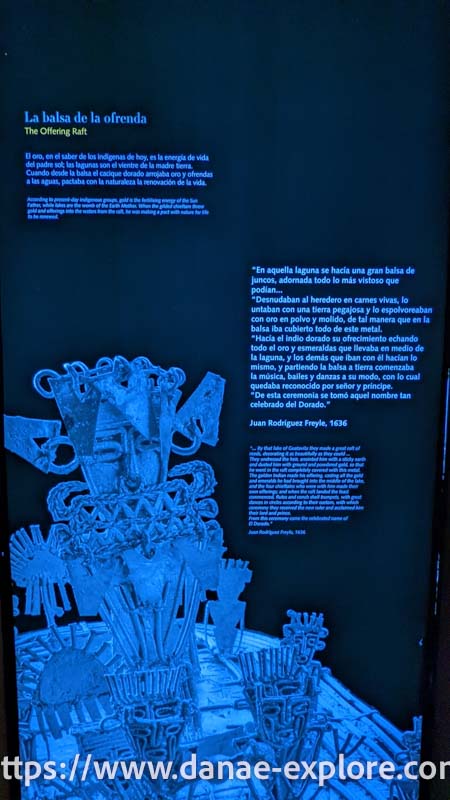
One of the most impressive pieces in the museum is the “Balsa Muisca de las Ofrendas,” considered the symbol of the El Dorado legend. The panels in the room explain this story, which tells of the investiture of local chiefs in rituals where their bodies were covered in gold dust and precious stones were thrown into the lake. It’s worth taking a few minutes to read it.
Next to the Gold Museum, there are several shops selling typical Colombian products, as well as some cafés.
.
.
Bogota bike tour
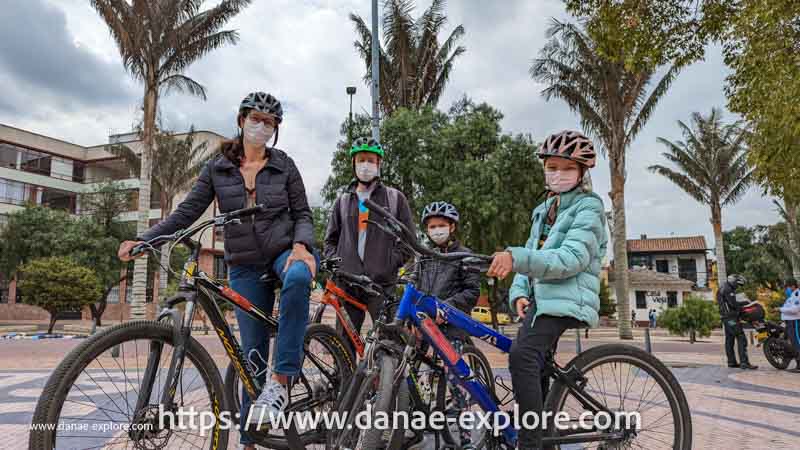
On our third day in Bogotá, we had planned to visit the Catedral de Sal (more on that later), but we changed our plans and decided to explore the city a bit more in a fun way: a bike tour of Bogotá.
We did it with Bogotá Bike Tours (you can find other options here). Our guide, Michel, was a super nice guy, a great cyclist, and very knowledgeable. He taught us about the history of the country and the city, explained how Bogotá is organized both spatially and socially, and we had the chance to talk about the country’s social situation, current politics, and its challenges. It was truly a worthwhile experience in every way.
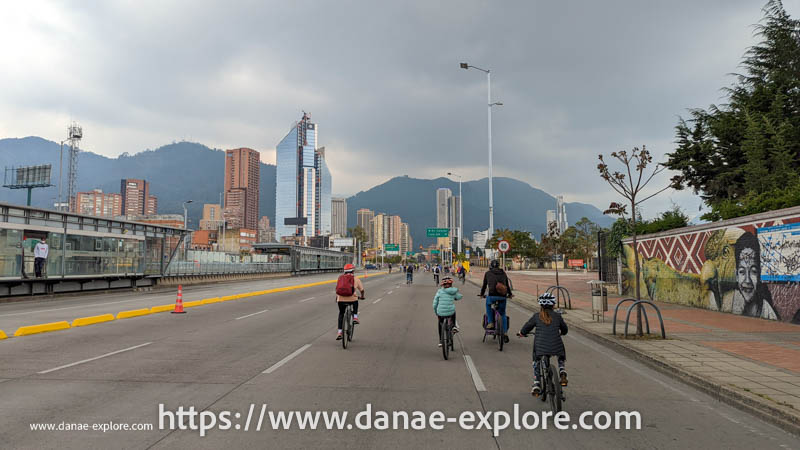
We made several stops along the tour. At some, our guide explained more about the city, its buildings, and historical events. There were also plenty of food stops. First at Parque Nacional, then at an ice cream shop with local flavors, and later at a market for a fruit tasting session, each one better than the last. Needless to say, we went back to the hotel with a bag full of fruits. The market we visited was Las Nieves Market Plaza, but the largest and best-known one is Paloquemao, not far from there.
.
.
The last stop, the one adults were most looking forward to 🙂, was at a local coffee shop, where we learned about the entire process of roasting, grinding, and preparing real Colombian coffee. By then, space in our backpacks was already tight, but we still managed to bring back a few kilos of coffee, of course.
Although our kids (then aged nine and ten) knew how to ride a bike, we weren’t sure if they would keep up with a group tour, so we opted for a private one. Everything worked out really well, and it was an excellent experience, but it would have been fun to do it in a group and meet other people.
We took the tour on a Monday, but it was a national holiday and, just like on Sundays, several streets were closed to cars and open to pedestrians and cyclists, with lots of people out enjoying the day. If you have the chance to do this tour on a Sunday or holiday, even better.
.
.
Other things to do in Bogotá
After the bike tour, we had planned to go up to Montserrat, since the starting and ending point of the tour is in La Candelaria, relatively close to the funicular station that takes you to the top. But after such a great bike tour, the kids were tired, our backpacks were heavy with all the delicious things we had bought along the way, everyone was hungry and tired, so we decided to leave it for our next trip to Colombia.
We were told it’s well worth it. You can go up by funicular, cable car, or on a hike of about 2.5 km, with an elevation gain of around 500 meters. It’s recommended to do the hike only on weekends or holidays. In addition to the great views over the city, at the top you’ll find Monserrate Church, restaurants, and craft shops.
.
What to do near Bogotá
.
Catedral de Sal de Zipaquirá
On our last day in Bogotá, we were planning to visit the Catedral de Sal de Zipaquirá, but we ended up choosing the bike tour instead. As the name suggests, it’s a cathedral made entirely of salt. It was built inside what used to be underground salt mines, 180 meters underground, and is now one of the most visited attractions in the country.
If you’re thinking about visiting Zipaquirá, it’s about 50 km from Bogotá, with easy access by bus, train, car, or guided tours.
It seems to be a fascinating place, even for those who are not particularly interested in religious tourism, and if we had an extra day in Bogotá, this would definitely be our pick.
.
.
Villa de Leyva
Villa de Leyva is a colonial town about 160 km north of Bogotá. It’s known for its whitewashed colonial buildings and cobblestone streets. Founded in 1572, it had its peak in the 17th century and has remained largely unchanged since then, making it one of the best-preserved examples of colonial architecture in the country.
Today, tourism is the town’s main activity, and it’s a favorite weekend getaway for locals from Bogotá.
It’s possible to visit on a day trip from Bogotá, but depending on traffic, it can take more than three hours to get there, which felt a bit tiring to me. There are organized tours from Bogotá that may be a more comfortable option, worth checking out.
Another option is to stay overnight. There are several charming inns and hotels, such as Hotel La Corada or Hotel Villa del Ángel, both offering great value and located right in the center.
.
.
Where to stay in Bogotá
Our plan for the days in Bogotá was to enjoy the city and experience local life. We wanted to get a feel for what it’s like to live in Bogotá, away from the more touristy areas. After doing some research, we decided on the northern part of the city — Chapinero, Chicó, and Parque de la 93.
We stayed at Hotel Estellar Parque de la 93. It’s close to several restaurants, bars, shops, and cafés, in a really nice neighborhood. In a way, it reminded us a lot of where we live, but with a different vibe. You know that feeling of being at home, but in another country?
From what we could tell, this area tends to attract more business travelers and higher-income locals. In other words, it’s not exactly a reflection of the country’s everyday reality, but still a great place to stay. Overall, we loved it. It was perfect for what we were looking for: to relax and enjoy the city at a relaxed pace.
If you prefer to stay in the historic center, a very popular area among tourists is the La Candelaria neighborhood. One option I found there that looked great, with excellent value for money, was Hotel Casa Deco.
.

.
What and where to eat in Bogotá
Bogotá is a cosmopolitan city, with restaurants for all tastes and budgets, so I’m sure you’ll have some great food experiences there, just like we did.
Street food is a must in Bogotá: arepas, tamales, patacones, and much more. It’s worth stopping by food stalls, whether downtown or in a park, and trying everything you can.
And the fruits!! There’s an incredible variety of fruits, some familiar, others completely new to us — and all delicious. From what I remember, we tried granadilla (sweet passion fruit), yellow pitaya, lulo, tree tomatoes, guanábana (soursop), mangosteen, feijoa, uchuva (physalis), zapote, curuba, along with more common fruits like carambola, mango, passion fruit, strawberries, piña (pineapple), banana, and avocado.
A typical Colombian dish, found in most local restaurants, is bandeja paisa, a dish typically served with rice, beans, fried egg, patacones, sausage or beef, avocado, and pork rinds. Another traditional dish is ajiaco, a hearty soup made with chicken, corn, potatoes, and other ingredients, usually served with avocado on the side.
In the central part of the city, there are plenty of restaurants, cafés, bars, and street stalls. In other words, you won’t run out of places to eat. We stopped at a very simple restaurant near Plaza de Bolívar, nothing fancy, and I can’t even remember the name.
Here are some of the places we tried near Parque de la 93. Besides these, there are many others around the area that looked great:
– Vista Corona Bogotá
– Crepes & Waffles Parque de la 93
– La Diva, Calle 93 Bogotá
– La Lucha Sanguchería Criolla 93
– Chef Burger Parque 93
– Cacio & Pepe
.

.
How to get to and around Bogotá
Avianca is the main Colombian airline, connecting the city with major destinations across the U.S., Europe, and South America. We flew from São Paulo to Bogotá on a direct Avianca flight and had a great experience. From the airport to the hotel, we took a taxi arranged directly through the hotel in advance.
We got around the city by Uber or taxi, which worked really well.
After Bogotá, we flew to Cartagena de Indias, and from there rented a car to explore the beaches around Tayrona National Park.
To rent a car, I always use RentCars, where I usually find the best options, and with the DANAE promo code you still get an additional 5% off. Shall we go?
Here are the websites I always use to plan my trips:
– 🛌 Accommodation: Booking
– ☀️ Tours & activities: Civitatis & Get Your Guide
– 📱 eSIM for mobile data: Airalo e-SIM – use promo code DANAE2375
– 🚗 Car rental: RentCars – use promo code DANAE, or DiscoverCars
.
All our posts about traveling to Colombia:
- What to do in 3 days in Bogotá
- What to do in Cartagena de Indias – Colombia
- How to visit Tayrona National Park – the most beautiful beaches in mainland Colombia
- The best of Colombia – 12-day itinerary
.
And here are our posts about other destinations in Central and South America:
Brazil:
- Complete guide to visiting Lençóis Maranhenses: Tips and essential itinerary
- Chapada dos Veadeiros Guide: what to do, where to stay and more
- Brazilian Amazon – How to visit the Amazon Rainforest
- What to do in Alter do Chão: Exploring amazonian beaches and rainforests in Brazil
- Chapada das Mesas – Complete itinerary: what to do, where to stay, how to get there
- The best tours to do in Bonito, Brazil, in 4 days
- Ultimate Guide to Bonito: Exploring the Southern Brazilian Pantanal’s Hidden Paradise
- What to do in Chapada dos Guimaraes – Mato Grosso
- What to do in Pirenópolis: charming ecotourism in the heart of Central Brazil
Guatemala
Argentina
- The best of Ushuaia: 4-day itinerary for spring and fall
- El Calafate and Perito Moreno Glacier – the best of Argentinan Patagonia
- Northern Argentina: 10-day itinerary through Salta and Jujuy
Chile
Belize
- One week in Belize: a perfect itinerary for first-time visitors
- Things to do in Belize: the best of San Ignacio, Ambergris Caye and Caye Caulker
.
Did you like these tips? Then follow me on social media:
Instagram @danae_explore
Pinterest @danaeexplore
Comments or questions? Contact me on social media! I love to chat about travel 😉
NOW SAVE THIS PIN TO YOUR PINTEREST, so that this post about what to do in 3 days in Bogotá is always easy to find!