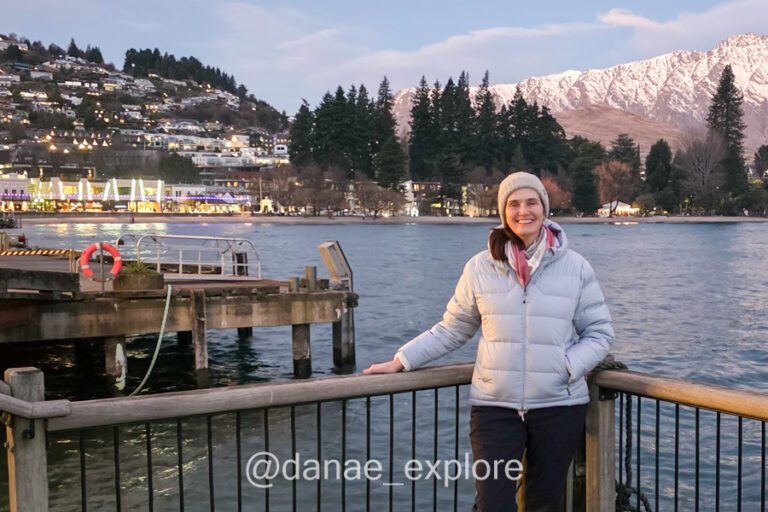
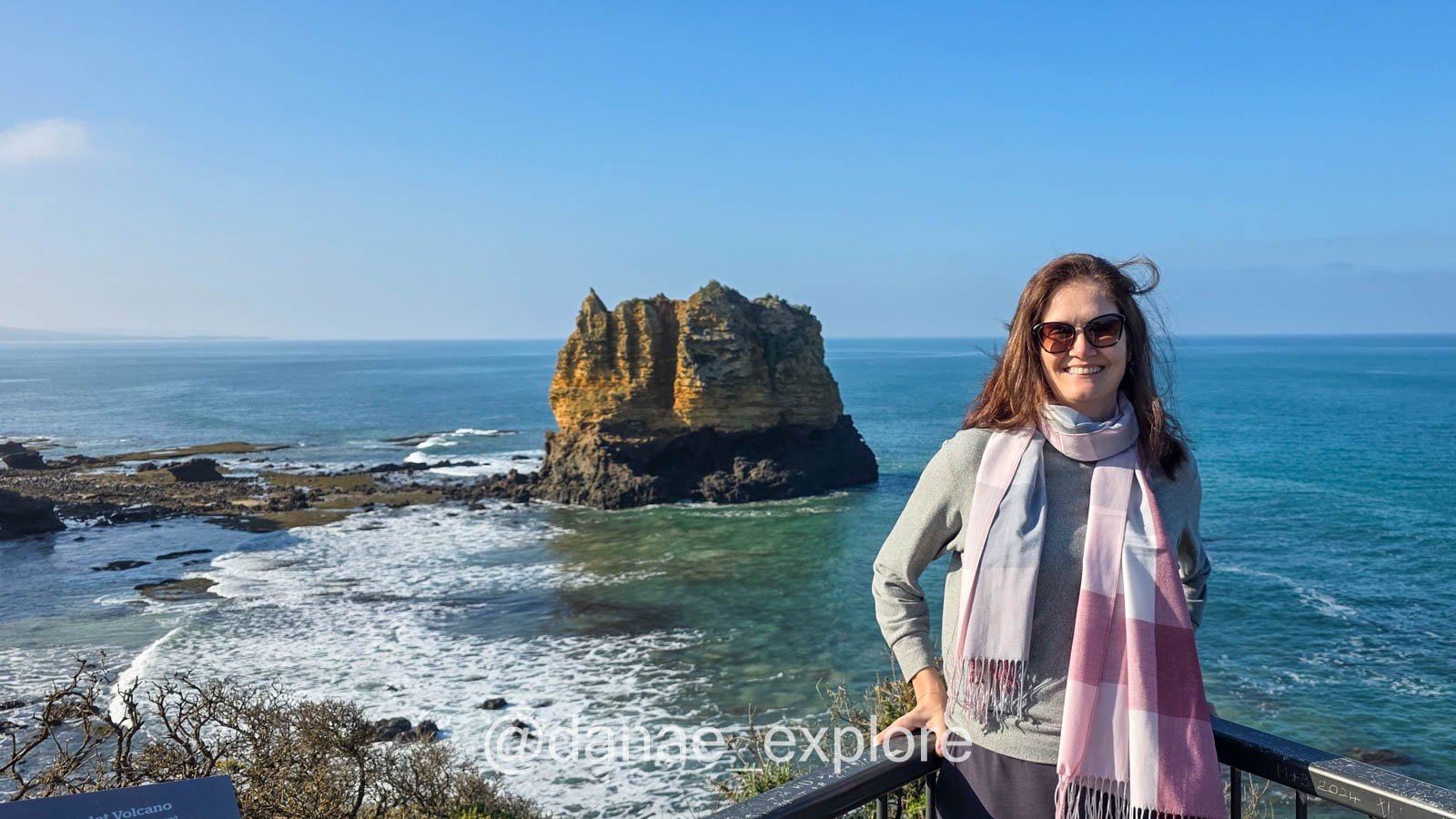
The Great Ocean Road is one of those roads that shows up on practically every list of the most beautiful road trips in the world. And here I am, someone who’s no fan of clichés and refuses to publish that kind of list on my Instagram @danae_explore, having to give in this time and put my name to it: the Great Ocean Road really is one of the most beautiful coastal roads on this planet!
At 243 km, between Torquay and Allansford, and relatively close to Melbourne, you might think it’s a short road. But boiling the trip down to the kilometers driven would mean missing exactly the best part: beaches, cliffs, small towns, forests, lookouts, and one-of-a-kind rock formations by the sea are what make the road so much more than the kilometers you clock, and earn it the status of memorable.
We drove the Great Ocean Road on our first trip to Australia. We spent a few days in Melbourne, rented a car, and had two days to drive it. Did it work? Yes, it was amazing, but it felt rushed. I’d recommend setting aside three days for the Great Ocean Road, spending one night in Apollo Bay and another near the Twelve Apostles.
Great Ocean Road
How many days: we did it in two and it felt rushed. I’d recommend three, with one night in Apollo Bay and another near the Twelve Apostles.
Direction: Melbourne, Torquay, Lorne, Apollo Bay and the Twelve Apostles, with the ocean and most lookouts on the left side of the road.
Where we stayed: Apollo Bay Waterfront Motor Inn and Cumberland Lorne Resort. To sleep near the Twelve Apostles, check places to stay in Port Campbell.
Favorite stop: Maits Rest Rainforest Walk, early in the morning, with mist still between the trees.
Car: pretty much essential. We picked up our rental car only when we left Melbourne. Without a car, there are two-day tours from Melbourne.
When we went: in winter (late June), with clear skies and pleasantly cool weather, but it gets dark early.
First of all, follow me on Instagram @danae_explore – that’s where you can keep up with my trips, find lots of travel tips, and send me a DM anytime. I love chatting about travel!
Where is the Great Ocean Road
The Great Ocean Road is a scenic route in southern Australia, in the state of Victoria, stretching roughly 243 km between Torquay and Allansford and following much of the country’s southern coast.
If you’re traveling in the region, Melbourne is the most practical base to start this road trip (and here on the blog you’ll find all our Melbourne recommendations in this post). Torquay, considered the gateway to the Great Ocean Road, is about 100 km from the city, and from there the road heads toward Lorne, Apollo Bay, and the Twelve Apostles area.
That’s exactly what we did: we spent a few days in Melbourne, picked up the rental car only when we left the city, and headed down the coast. The logistics worked really well, mainly because you don’t need a car to explore Melbourne, whereas on the Great Ocean Road it’s practically essential.
Read more: our Melbourne itinerary and what to do in the city
After Australia, we continued on to New Zealand, where we did a road trip across the North and South Islands. We wrapped up our nearly month-long trip through Oceania in Queenstown – here on the blog you’ll find our complete Queenstown guide, with itinerary, tours, and practical tips.
What’s the best direction to drive the Great Ocean Road?
If you’re leaving from Melbourne, my recommendation is to do exactly what we did: drive the Great Ocean Road going Melbourne → Torquay → Lorne → Apollo Bay → Twelve Apostles.
Besides being the most logical sequence for anyone starting the trip in Melbourne, there’s a practical advantage that makes quite a difference along the way: in Australia, you drive on the left. Doing the route in this direction, you’ll have the sea on the left side of the road, which makes it easier to stop at the lookouts, since most of them will be right on that same side.
In practice, that means less crossing over traffic and fewer maneuvers pulling in and out of parking lots. It might sound like a small thing, but on a road where you’ll want to stop several times throughout the day, it makes life a lot easier.
And that’s one of the big secrets of the Great Ocean Road: it’s no use thinking of it as just a way to get from A to B. The road is the attraction. You drive a little, spot a lookout, stop. Drive a few more kilometers, a beach appears, stop again. And so on.
TIP: drive the Great Ocean Road from Melbourne, stopping at the lookouts and attractions on the way there. In this direction, the ocean and most of the lookouts are on the same side of the road, which makes stopping much simpler along the way.
If you’re heading back to Melbourne and have the time, I think it’s worth driving back along the Great Ocean Road. Although it’s not the fastest way from Port Campbell to Melbourne, it’s the most beautiful, and you’ll get the chance to stop at the places you missed on the way out. Unfortunately, we didn’t have time – on the third day, we needed to be at the airport in Melbourne first thing in the morning, so we had no choice but to take the fastest route, the M1 highway.
To rent a car, I always use RentCars, where I usually find the best options, and with the code DANAE you get an extra 5% off. Ready to go?
How many days to spend on the Great Ocean Road?
Can you do the Great Ocean Road in one day?
Technically, there are day trips from Melbourne. But I’ll be totally honest: I don’t recommend doing the Great Ocean Road as a day trip from Melbourne. It’ll be exhausting (tours say they take 12 hours), and you’ll miss wonderful stops along the way.
There’s a lot more to the Great Ocean Road than the 12 Apostles. A big part of the experience is precisely being able to stop whenever a beautiful beach, a lookout, or a hike through the region’s unique vegetation shows up.
That said, if it really is your one and only option (yes, I know, I don’t have much time in this life either), between spending one more day exploring Melbourne and seeing the 12 Apostles in a whirlwind, I’d give my eyes the chance to take in this one-of-a-kind landscape. Here’s a highly rated Great Ocean Road day tour from Melbourne, or this small-group Great Ocean Road tour, or this one on Civitatis.
A worthwhile alternative is to pick a tour that does the route in reverse, starting with the farthest attractions, like the Twelve Apostles and Loch Ard Gorge, and getting there ahead of most of the groups that drive the road in the traditional direction. This helps you avoid the busiest hours and lets you see some of the most famous spots with a little more peace and quiet. Check out this reverse-direction Great Ocean Road tour.
Two days on the Great Ocean Road
That’s basically what we did: we enjoyed the road and the attractions along the way over two days.
We spent one night in Apollo Bay and, on the second day, after reaching the 12 Apostles area in the late afternoon, we drove back to stay overnight in Lorne, because the next morning we had to get to Melbourne airport early.
It worked really well and was one of my favorite parts of our trip through Australia and New Zealand, but it was rushed. I would have loved one more day to make the most of the region.
If you’d rather not drive yourself, there are two-day Great Ocean Road tours from Melbourne (which include a night of accommodation in Apollo Bay)

Three days on the Great Ocean Road
Now that I’ve been there, I think three days is ideal to really do the Great Ocean Road justice. Of course, if you have more time, go all in: taking your time in wonderful places is one of the best thing in this life!
With three days, my Great Ocean Road itinerary would look like this:
Day 1 — Melbourne to Apollo Bay, with all the stops along that stretch.
Day 2 — Apollo Bay to the Twelve Apostles area, stopping at Maits Rest Rainforest Walk, Cape Otway, Gibson Steps, the Twelve Apostles, and the other rock formations. I’d spend the night in Port Campbell or nearby.
Day 3 — the Twelve Apostles back to Melbourne, I’d drive back the same way and use the day to stop at the lookouts, beaches, and small towns I’d skipped on the way there.
I think that third day would solve exactly the problem we had: there were places we wanted to stop, but there simply wasn’t any time left.
Our Great Ocean Road itinerary
Day 1 — Melbourne → Torquay → Lorne → Apollo Bay
Torquay and Bells Beach
Torquay is the first stop and the gateway to the Great Ocean Road. The town is known as Australia’s surf capital and is where brands like Rip Curl and Quiksilver were born. One of the most famous surf beaches sits right by the little town center, and its name says it all: Torquay Surf Beach.
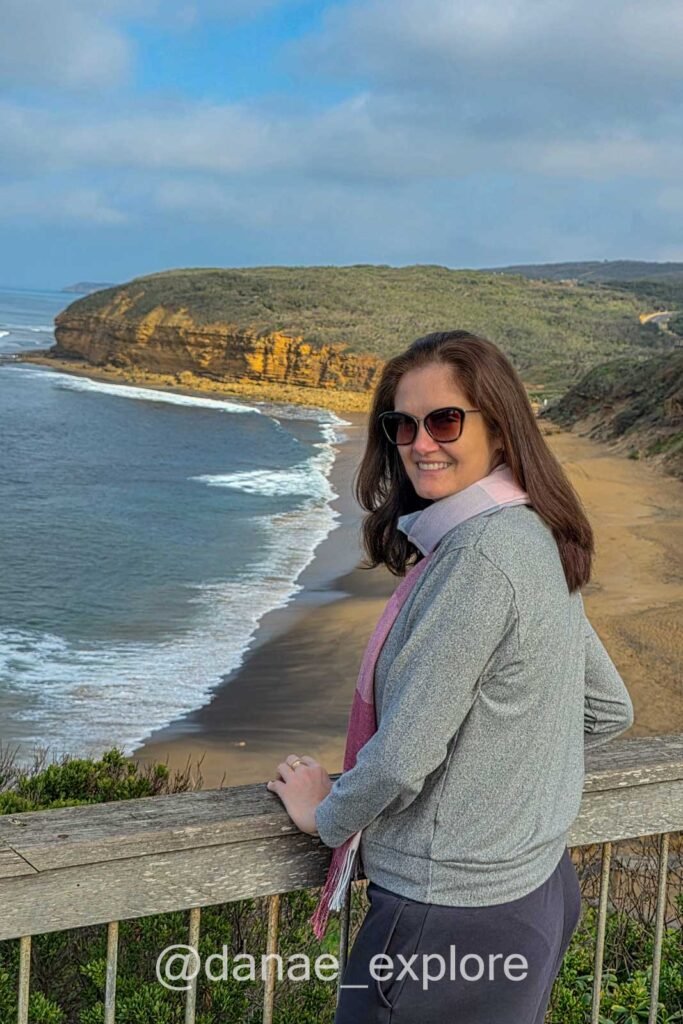
We went to the Bells Beach lookout and, even though it was winter, the water was full of surfers. I imagine it gets really lively during surf season, and that it’s a fun time to visit and take a few surf lessons. After a bit of a letdown at St. Kilda Beach in Melbourne (check it out at the link, or over on my Instagram @danae_explore), getting to Bells Beach had that feeling of “now these are Australian beaches!”
Other lookouts in the area are Bird Rock Lookout and Rock Point Lookout (both closer to Torquay), and, further down the road, Point Addis Beach Lookout.
We kept going and stopped for coffee in the little town of Anglesea, at Maids Anglesea General Store. Just ahead is another lookout, Loveridge Lookout, and a few kilometers later, Urquhart Bluff.
There are plenty of other lookouts along this stretch, but we ended up stopping at just a few, because we’d done the math and wanted to reach Apollo Bay while it was still light – since we were traveling in winter, it got dark early; if you go in summer, the days will be longer and you’ll probably be able to fit in a few more stops.
The next village on the road is Aireys Inlet, where we made a point of stopping at the Split Point Lighthouse and at the Eagle Rock Lookout and Split Point Lookout (right next to each other), one of the most beautiful rock formations on this stretch of the road.
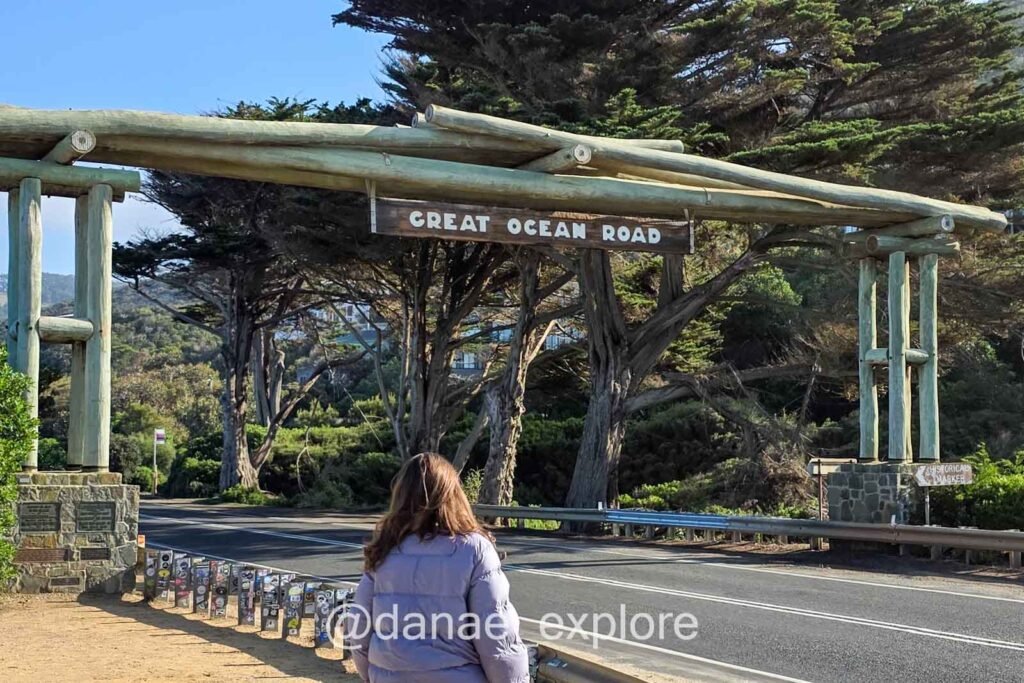
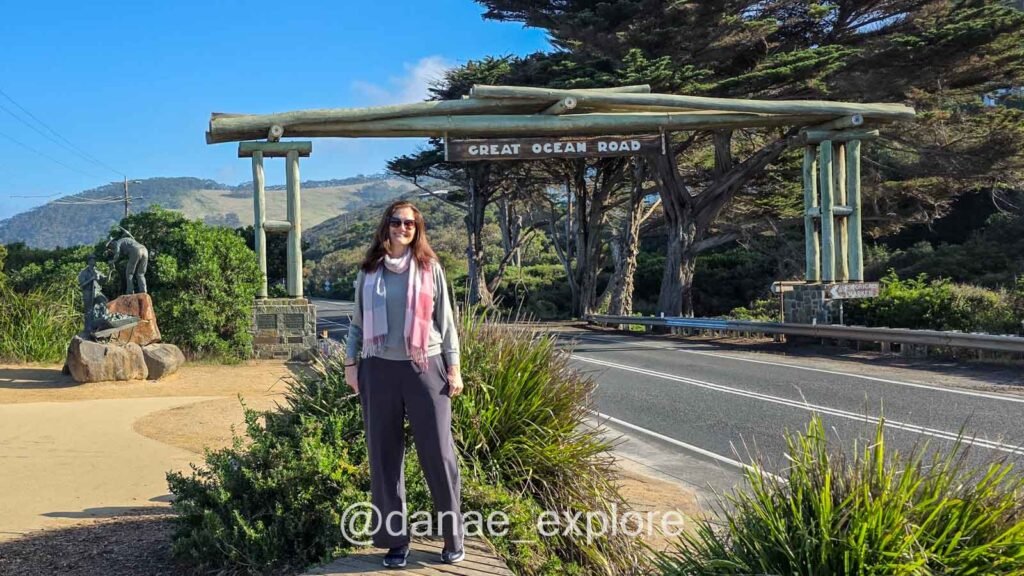
Great Ocean Road Memorial Arch
A symbol of the Great Ocean Road, the Memorial Arch at Eastern View is that classic stop for a photo under the sign, but it’s also worth spending a few minutes on the panels and the monument around it, which tell the story of the road.
Construction of the Great Ocean Road began in 1919 and was completed in 1932. More than 3,000 soldiers returning from World War I worked on it, carving much of the route along the cliffs with hand tools, explosives, and horse-drawn carts. The road was also conceived as a tribute to the soldiers killed in the war and is considered the world’s largest war memorial.
The first Memorial Arch was built on this spot in 1939, but the structure has had to be rebuilt a few times, whether because of changes to the road or the forces of nature. One of its versions was destroyed in the great bushfire known as Ash Wednesday, in 1983. The arch you see today was rebuilt in 1990, after a severe storm brought down the previous one.
Next to the arch stands The Diggers, a bronze sculpture unveiled in 2007, on the 75th anniversary of the road’s opening, depicting two of the veterans working with pickaxes. It’s a good reminder that the Great Ocean Road wasn’t born just as a pretty coastal drive: it’s also a memorial.
Lorne
Lorne is one of the main towns along the Great Ocean Road and a great option for a stop to eat and stretch your legs.
We had lunch at Totti’s Lorne, and it was a lovely surprise: I went to Australia expecting to eat burgers and fish & chips every day and ended up finding food far better than I’d imagined, and that lunch was one of the best of the whole trip.
Another, more laid-back option in town is HAH Lornebeach.
Near Lorne are some of the most beautiful waterfalls on the Great Ocean Road (or so we were told): Erskine Falls and Sheoak Falls. We couldn’t visit them because, after the rain in the days before our trip, the road was closed.
Kennett River
We carried on and stopped at the Kennett River Nature Walk, considered one of the best places along the road to spot koalas in the wild. We didn’t see a single one. On the bright side, we saw lots of birds, and it was nice to walk around for a bit – the short footpath follows the creek and is well signposted, with a few information panels about the local wildlife.
The road between Lorne and Apollo Bay is one of the most beautiful stretches of the trip. Get ready for the bends, because there are a lot of them, and if you’re the type who gets carsick easily, pack your motion sickness pills or break out your best trick to stay queasy-free.
Along the way, we stopped at Teddy’s Lookout (right near Lorne, it’s gorgeous, highly recommend!) and at Cape Patton Lookout.
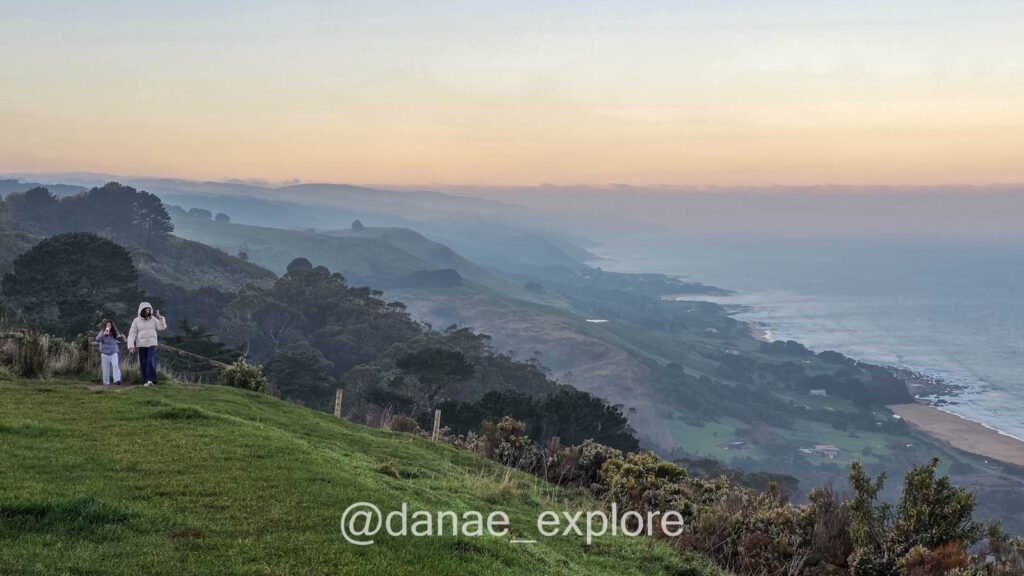
Apollo Bay
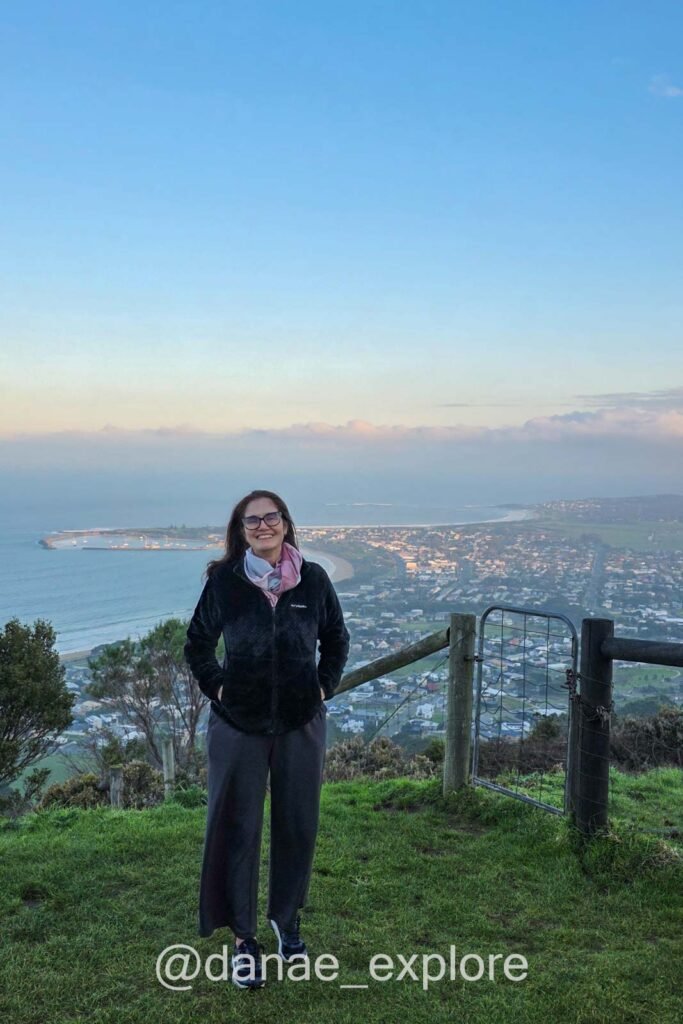
When we got to Apollo Bay, we checked in at the hotel and headed out to enjoy the sunset at Mariners Lookout.
Unlike the other lookouts, most of which sit on cliffs above the sea, Mariners Lookout is perched on top of a small hill, farther from the water, and treats you to one of the most beautiful views on the road: the greenery, the town of Apollo Bay, and the ocean beyond. It was the loveliest late afternoon of our whole trip through Australia. The climb is a bit steep, but it’s short and quick: it took us less than 15 minutes to get up, and the way down was a breeze.
After soaking up the sunset until the very last minute and taking a good shower, we had dinner at The Vault Chinese Restaurant, simply because it was the closest place to the hotel with reasonable prices and quick service, but there are other options in town. The next morning, we had breakfast at Shelter Cafe, and it was great, I recommend it.
We stayed at the Apollo Bay Waterfront Motor Inn, an American-style motel, simple but exactly what we needed. We booked the family apartment, with two bedrooms, a living room, and a compact kitchen, perfect now that we travel with two teenagers and they and the grown-ups alike need a bit of privacy.
Near Apollo Bay there are other waterfalls, like Beauchamp Falls, Hopetoun Falls, and Triplet Falls, but we didn’t have time to visit any of them. The area also offers walks through the Otways forests and wildlife-spotting tours.
Day 2 — Apollo Bay → Otways → Twelve Apostles
Maits Rest Rainforest Walk
Day two brought some of the most memorable stops on the Great Ocean Road, with scenery very different from what we’d seen on the first day.
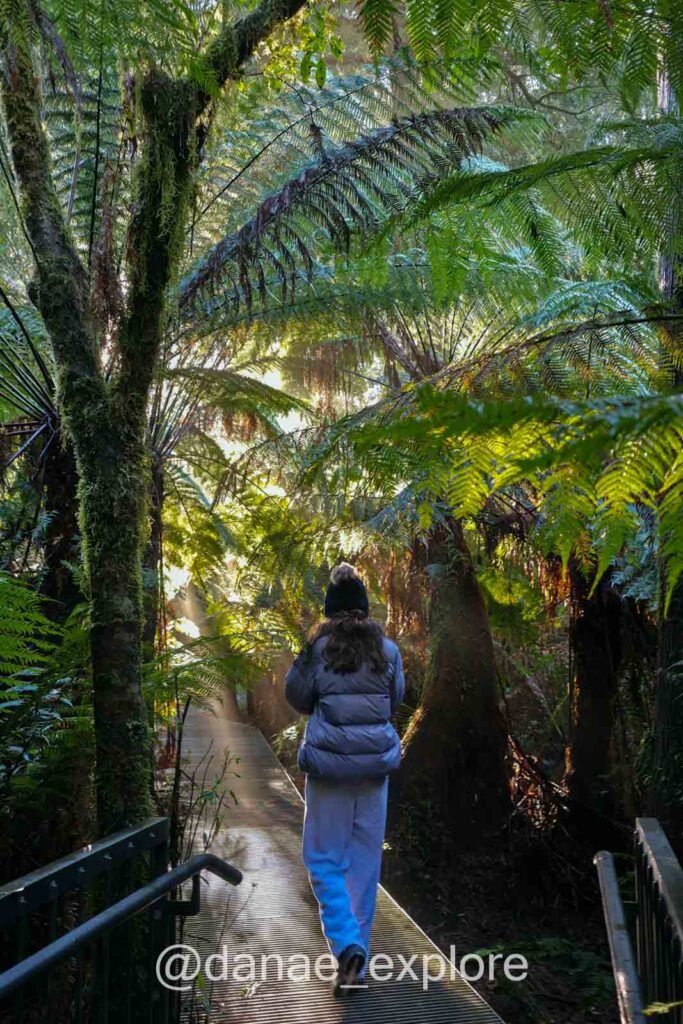
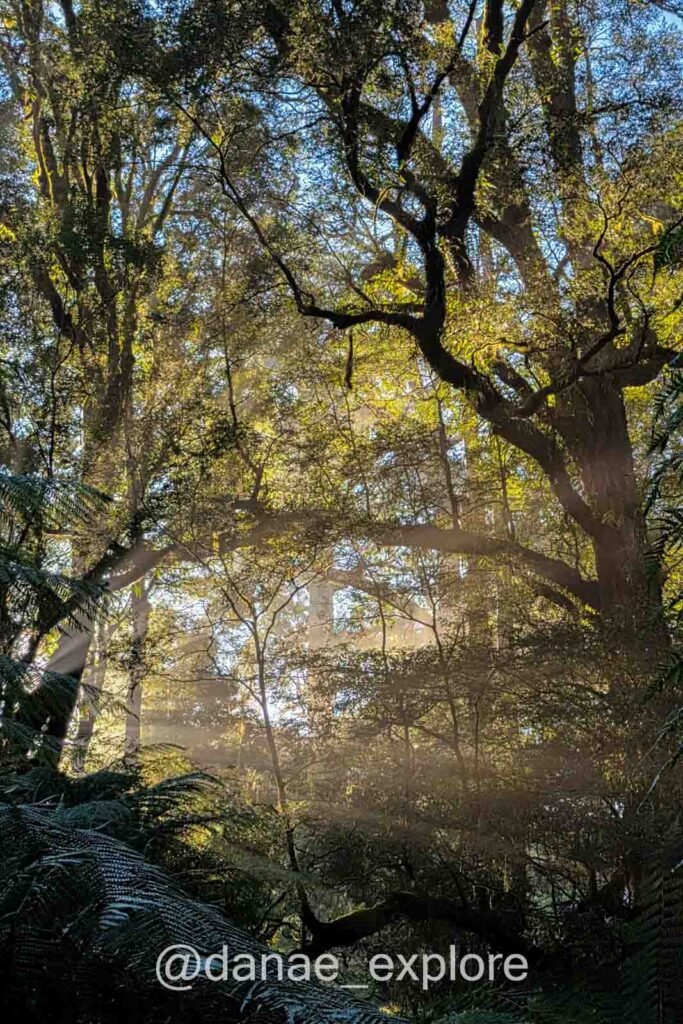
Heading out of Apollo Bay, after a few kilometers the road enters an area of temperate rainforest, and one of the first stops is the Maits Rest Rainforest Walk, part of Great Otway National Park. Hard to say, but I think this was my favorite spot on the whole Great Ocean Road.
It’s an easy walk, much of it on wooden or metal boardwalks, through a forest full of giant ferns, enormous trees, moss, and dense vegetation. The 800-meter loop takes about 30 minutes, depending on your pace, and it’s free.
We went first thing in the morning, when there was still a bit of mist among the trees. Little by little it cleared as the sunlight filtered through the foliage, and with the sound of water, birds, and the forest itself all around, the place took on an almost cinematic atmosphere. At times, the landscape even reminds you of New Zealand, but with an identity all its own.
Proof that the Great Ocean Road isn’t just sea and cliffs, and that it truly lives up to its title as “one of the most beautiful coastal roads on the planet”.
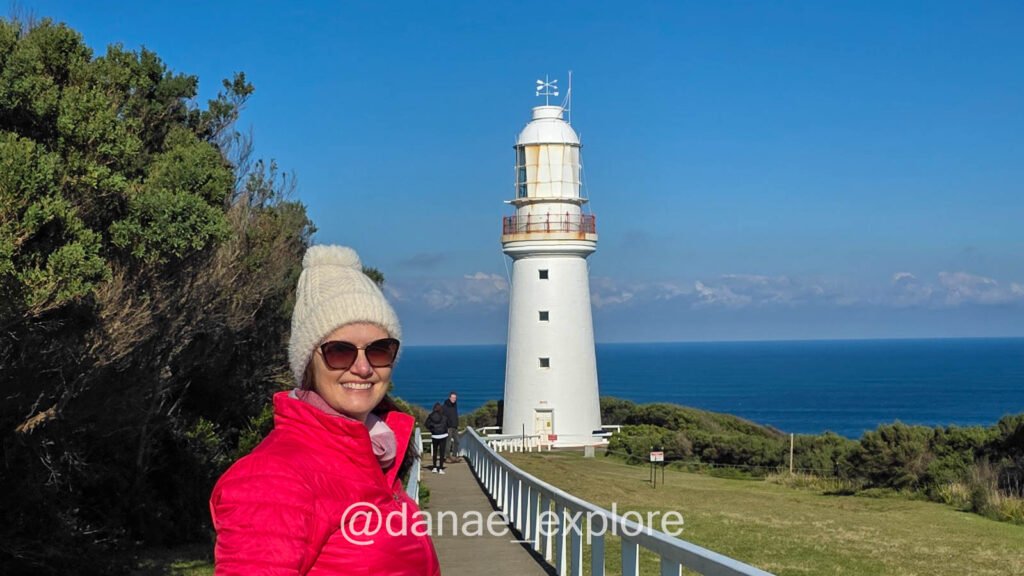
Cape Otway Lighthouse
A little past the Maits Rest Rainforest Walk, take the turnoff toward Cape Otway Lighthouse, the most important historic lighthouse in Australia, built in 1848. For thousands of immigrants arriving after weeks at sea, it was the first sign of land. In 1859, the site got a station for the first attempt at an undersea telegraph link between mainland Australia and Tasmania. The cable, however, ran into problems and was eventually abandoned.
Besides the lighthouse, the grounds include a few preserved historic houses, one of them turned into a museum about the families who lived there operating the telegraph.
It was the only paid attraction we visited on the Great Ocean Road, and it’s open Friday to Tuesday from 9:30 am to 4:30 pm (last entry at 4 pm – double-check, as opening hours may change throughout the year), with tickets sold at the door. There’s a café and accommodation on site. When we went, the climb up the lighthouse was closed for renovations, and tickets were discounted to AUD 11. The regular price, which lets you climb the lighthouse, is AUD 22. More information on the official website.
To rent a car, I always use RentCars, where I usually find the best options, and with the code DANAE you get an extra 5% off. Ready to go?
The Gables and the Great Ocean Walk
We made a quick detour along the way to The Gables lookout, with a gorgeous view of the cliffs toward Moonlight Head. From the parking lot it’s about 400 meters to the lookout, a flat and very easy walk. There’s also a more demanding hike from here that leads to Wreck Beach and other sights along the so-called Great Ocean Walk, but we only went to the lookout.
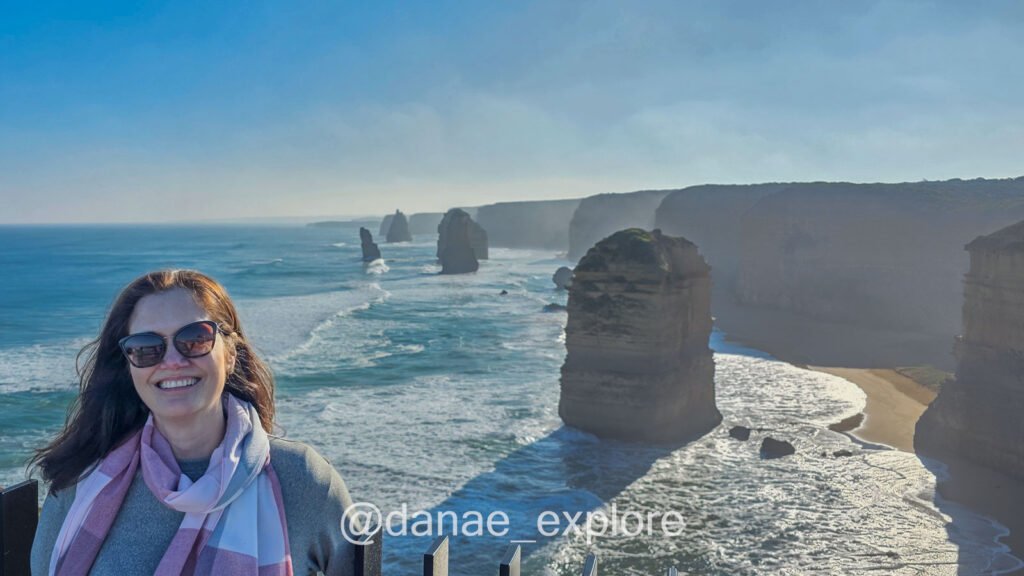
The Twelve Apostles
This is where the most famous part of the Great Ocean Road begins: those cliffs and rock formations rising from the waves that you’ve surely seen in photos while researching this trip.
Our first stop was Gibson Steps, which, as the name suggests, is a lookout with a staircase leading down to the beach of the same name, where you can see part of the Twelve Apostles. It looks like a lot of steps, but it’s pretty easy: even I, with my bad knee, managed just fine.
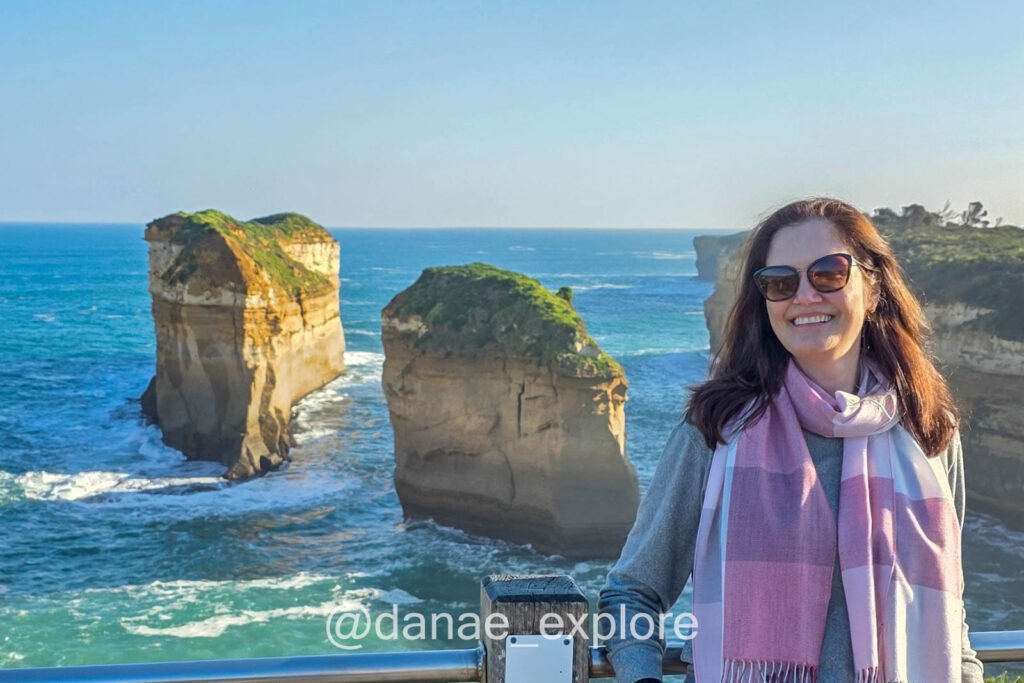
From there we headed to the Twelve Apostles lookout, the road’s postcard view: limestone rock formations shaped by a continuous process of weathering and marine erosion over thousands of years. Some of them stand up to 50 meters tall.
Despite the name, the Twelve Apostles aren’t twelve and never were — it’s just a marketing ploy. There were nine rock formations in the group; one collapsed in 2005 and another in 2009, leaving seven pillars. Erosion from wind and sea keeps reshaping the landscape.
We got to the Twelve Apostles in the late afternoon, and the classic photos all came out against the sun – yes, I admit it, terrible photo planning on my part, but since I’m not a professional influencer and don’t make a living from this, what matters is the thrill of being there and living the moment, not the quality of the pictures. Forgive me.
There’s a huge parking lot, a little shop, restrooms, and a raised platform that takes you practically out over the sea. Of all the stops we made along the Great Ocean Road, this one had the best facilities; Cape Otway also has great facilities, and everything else is zero facilities.
The area is still full of spectacular rock formations and lookouts, and it’s worth exploring a little more. I recommend Loch Ard Gorge, Tom and Eva, Island Arch, and the Razorback.
Further on, past the town of Port Campbell, are The Arch (we didn’t go because access was closed due to unstable cliffs, so check whether it has reopened), London Bridge and The Grotto. Further along, after the town of Peterborough, the recommended stops are Bay of Martyrs and Childers Cove, but we didn’t make it there.
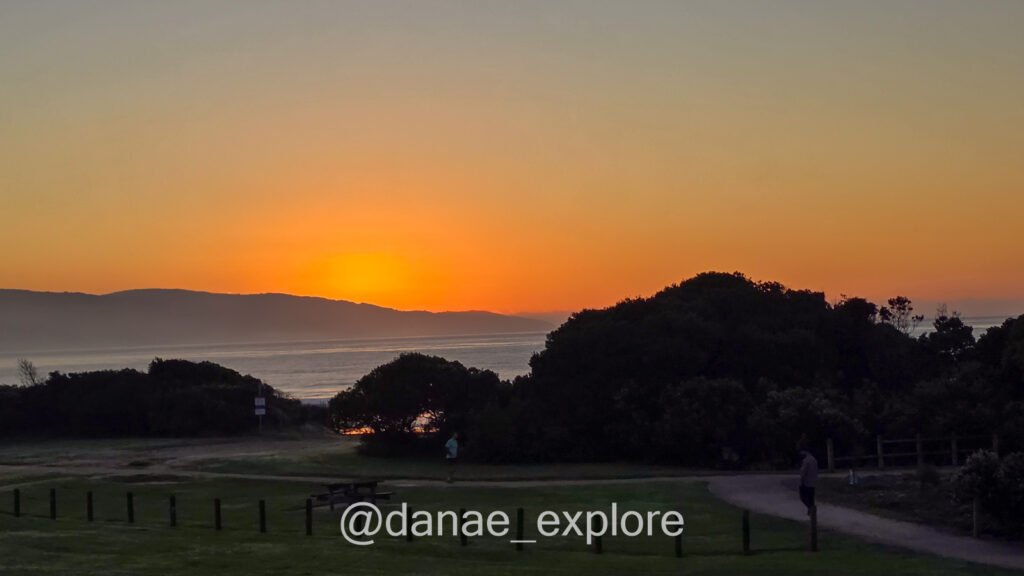
After this intense day, starving, we stopped for lunch at the Port Campbell Hotel and had coffee at 12 Rocks Beach Bar Café as the sun was setting, before heading on to our hotel in Lorne.
Where to stay on the Great Ocean Road
Where to stay in Apollo Bay
On our first night, we stayed in Apollo Bay, at the Apollo Bay Waterfront Motor Inn, an American-style motel, nothing fancy, but exactly what we needed. We booked the family apartment, with two bedrooms, a living room, and a compact kitchen, perfect now that we travel with two teenagers and they and the grown-ups alike need a bit of privacy.
Even if you’re doing the Great Ocean Road in three days, I think spending the first night in Apollo Bay is perfect: leaving Melbourne early, you can stop at all the lookouts and, if you’re quick, even visit some of the waterfalls we didn’t have time for.
Other highly rated, well-located options in town are Seaview Motel & Apartments and Coastal Motel, both right next to ours and in exactly the same style.
See all accommodation in Apollo Bay
Where to stay in Port Campbell – Twelve Apostles
If you’re doing the Great Ocean Road in three days, spend the second night in Port Campbell or nearby. A few options I had considered were Southern Ocean Villas, Sea Foam Villas, and Port Campbell Parkview Motel & Apartments.
See all accommodation in Port Campbell
Where to stay in Lorne
Our second night on the Great Ocean Road was in Lorne because, since we had to be at Melbourne airport early the next morning to catch our flight to New Zealand, I thought it wiser to drive a bit more on the second day and end up closer to the airport (though still not that close) than to wake up in the dark and drive almost three hours from Port Campbell to our destination.
We stayed at the Cumberland Lorne Resort, a complex of holiday apartments right in the heart of town. Ours was really big, with two bedrooms, a generous living room, and a bathroom, and there was a large leisure area with a pool and all, but we didn’t get to enjoy it because we arrived late at night, had a quick bite in the apartment, and went to bed early so we’d be more or less in one piece the next day.
If you’re staying in Lorne, it’s also worth considering the Lorne Hotel, which seems to be one of the best in the area, The Sandridge Motel, and Anchorage Motel & Villas Lorne.
When to visit the Great Ocean Road?
The usual advice is to do the Great Ocean Road in summer, to enjoy the long, warm days and go for a swim (at suitable beaches, since many of them have strong surf, so check the conditions before going in). Since it’s high season, the road gets busier and parking can be hard to find in some places.
The shoulder seasons, autumn and spring, are excellent, combining pleasant temperatures, the occasional warm day, and fewer tourists.
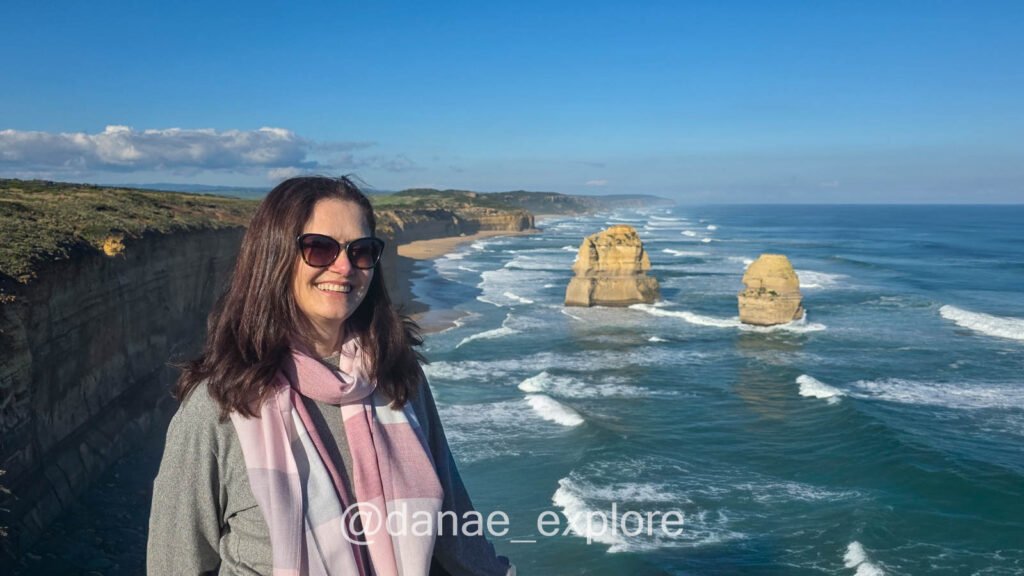
Going against all the advice, we went in winter and loved it.
We lucked out with gorgeous days, clear skies, and very pleasant temperatures for sightseeing. It was that cozy chill that reminds me of winter back home in São Paulo: you need a jacket, but nothing that got in the way of being outdoors or walking around the lookouts. It was sunny, with great weather the whole time, just perfect.
Obviously, swimming, enjoying the sea, or basking like a lizard on the sand aren’t happening (not that it’s my thing anyway, but it’s always good to mention).
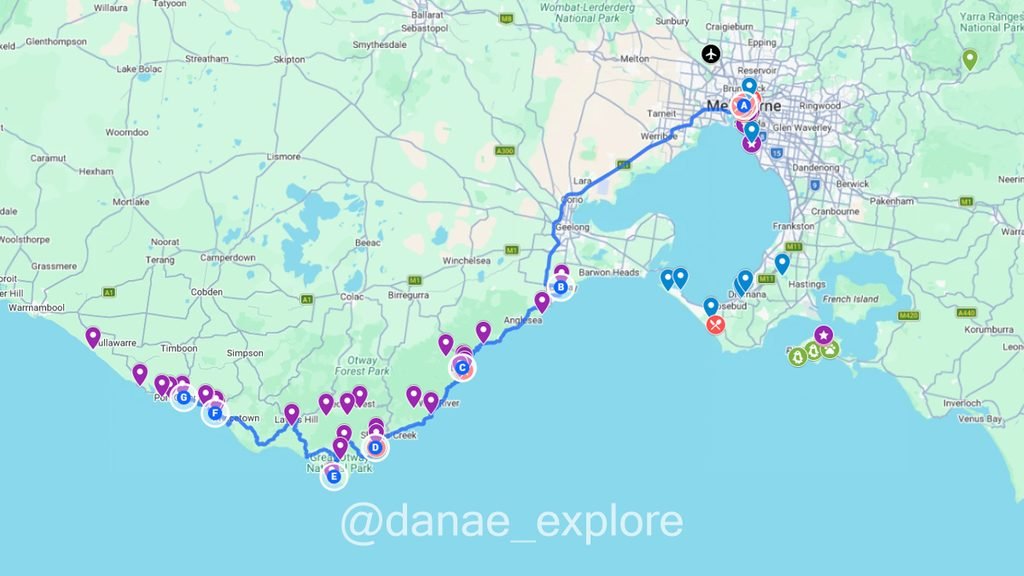
Map of our Australia trip
Our Melbourne and Great Ocean Road itinerary and tips are marked on the map below, with all the spots organized to make planning your trip easier. Just click, save it to your Google account, and pull it up when you’re mapping out your next Australian adventure.
How to use this map: Click the menu tab in the upper left corner of the map to access different layers, including points of interest and routes. You can toggle layers on and off by checking the corresponding boxes. To see details about specific locations, click on the icons on the map.
To save this map to your Google Maps account, just click the star icon next to the map title. To access it later on your phone or computer, open Google Maps, tap the menu button, go to “Your Places”, select “Maps”, and you’ll find this map saved there.
Frequently asked questions about the Great Ocean Road
How many days do you need for the Great Ocean Road?
Three days is the ideal amount of time to drive the road at a relaxed pace. In two days you can see the main attractions, but the itinerary gets more rushed.
Can you do the Great Ocean Road in one day?
Yes, there are day tours from Melbourne. However, they’re long excursions with limited time at each stop. If you can, set aside at least two days.
What’s the best direction to drive the Great Ocean Road?
Starting from Melbourne, the best direction is Torquay, Lorne, Apollo Bay, and the Twelve Apostles. That way, the ocean and most of the lookouts are on the same side of the road.
Do you need to rent a car?
A car gives you more freedom to stop for beaches, hikes, and lookouts. If you’d rather not drive, you can take a bus tour from Melbourne.
To rent a car, I always use RentCars, where I usually find the best options, and with the code DANAE you get an extra 5% off. Ready to go?
Where should you stay along the way?
Apollo Bay is a great base for the first night. For a three-day itinerary, it’s worth spending the second night in Port Campbell or near the Twelve Apostles.
Do you have to pay to visit the Twelve Apostles?
No. Access to the Twelve Apostles, Gibson Steps, and Loch Ard Gorge lookouts, and to most of the natural attractions along the road, is free. Cape Otway Lighthouse is one of the main paid attractions.
When is the best time to visit the Great Ocean Road?
Spring and autumn combine pleasant temperatures and fewer visitors. Summer offers longer days, while in winter the road tends to be quieter, but it gets dark earlier. We went in winter (late June), and it was great.