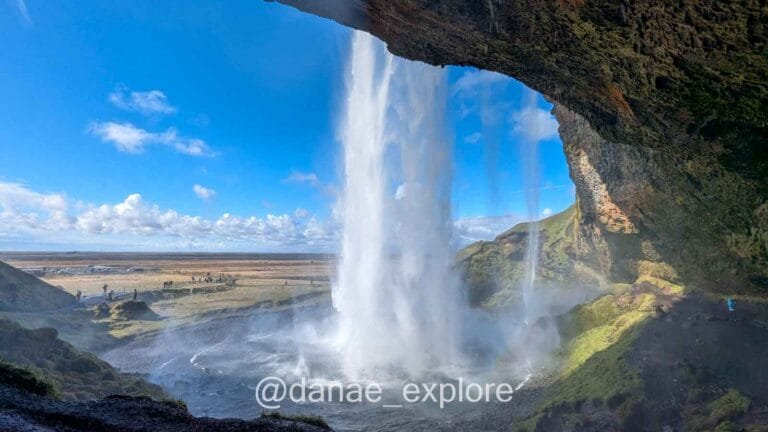
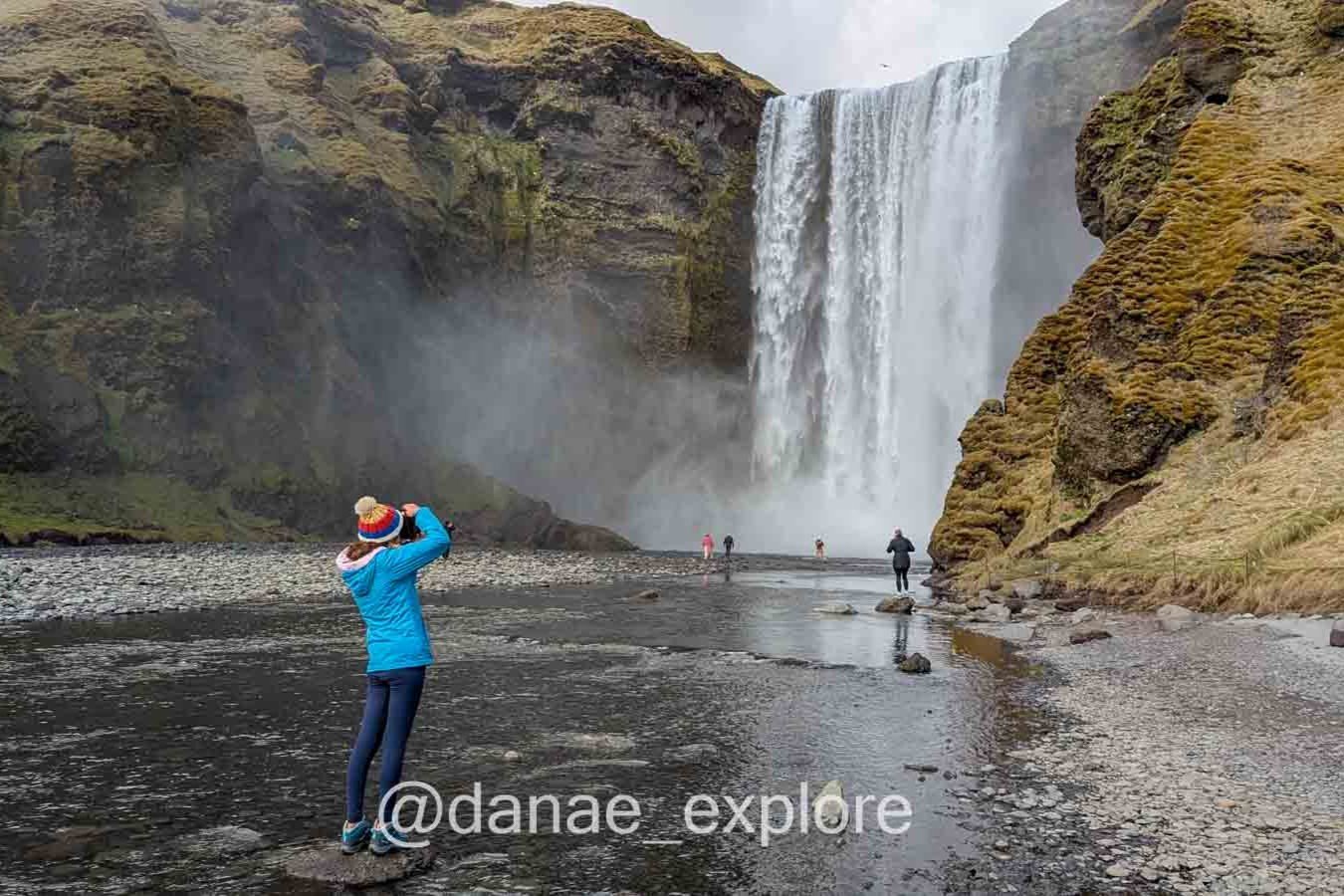
Iceland, the land of ice and fire. A country of untamed landscapes and breathtaking beauty. One of the trips I had been looking forward to the most!
I had already tried to visit Iceland twice (in 2006 and 2022), but for one reason or another (both because of money, of course), I had to postpone it. As time went by, my desire to finally visit only grew. Iceland felt like another world, with its surreal landscapes, Nordic culture, and striking contrasts. For anyone who loves dramatic landscapes, hiking, nature, and outdoor adventures, Iceland is pure paradise.
Iceland
How many days: we did it in eight, covering the south and southeast plus a day on the Snæfellsnes Peninsula. Further down you’ll find 5, 6, 7 and 9-day versions.
How we split the nights: one in Reykjavik, one in Vík, two near Jökulsárlón, one in Selfoss, one in Borgarnes, one on Snæfellsnes and the last one back in Reykjavik.
Where to stay: Hotel Odinsve in Reykjavik, Vík Apartments in Vík, Fosshotel Glacier Lagoon near Jökulsárlón, Hotel Selfoss, Hotel Hamar in Borgarnes and Hotel Snaefellsnes.
Getting around: by rental car, an SUV with full insurance, picked up and returned at Keflavík Airport. We drove 1,500 km, about 200 a day.
Don’t miss: the ice cave and glacier hike on Vatnajökull, which only runs from late autumn to early spring. We went with Glacier Adventure, and the same tour is on GetYourGuide.
When to go: we went in late April, in spring: long days, temperatures between 0 and 10°C, and just in time for the last day of the ice cave season.
Getting there: international flights land at Keflavík, about 50 km from Reykjavik.
First of all, follow me on Instagram @danae_explore – that’s where you can keep up with my trips, find lots of travel tips, and send me a DM anytime. I love chatting about travel!
This travel itinerary focuses on the south and east of Iceland, where many of the country’s most iconic attractions are located. You’ll find just about everything people dream of seeing in Iceland: waterfalls, volcanoes, glaciers, ice caves, black sand beaches, basalt columns, medieval wooden churches, and charming little towns, all set against a Nordic backdrop that feels straight out of a fairy tale.
To learn more about what to do in Iceland, we also have another post here on the blog covering all the attractions in detail. Click here to check it out!
Our Iceland itinerary
We managed to make this trip to Iceland during the kids’ school break. Since we didn’t have much time — if it were up to me, I could have easily spent fifteen days driving around the country — I tried to put together a fast-paced road trip covering the country’s main highlights in a logical way.
It was intense, but it worked perfectly: we finished the trip feeling like it had been completely worth it.
In 8 days, we went on an epic road trip through southern and eastern Iceland and even made it to the Snæfellsnes Peninsula, seeing so many places I had dreamed about for years. I’ve also included suggestions for 5, 6, 7, and 9-day itineraries below.
The itinerary is divided into four parts: Reykjavik (days 1 and 8), the south and east coast (days 2 to 5), the Golden Circle (day 6), and the Snæfellsnes Peninsula (day 7). We followed the order below, but you can easily rearrange it however you prefer.
Here’s our eight-day Iceland itinerary:
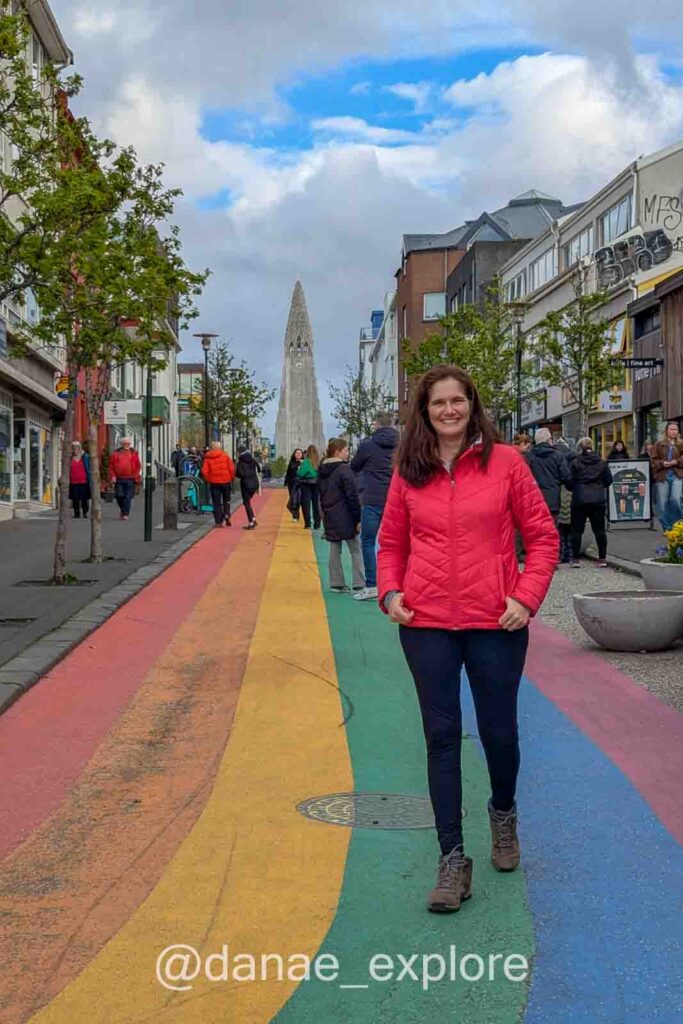
1️⃣ Arrival and Reykjavik: land in Keflavik, pick up the rental car and explore Reykjavik (you can also join a guided walking tour, but we skipped it because we arrived late); overnight at Hotel Odinsve.
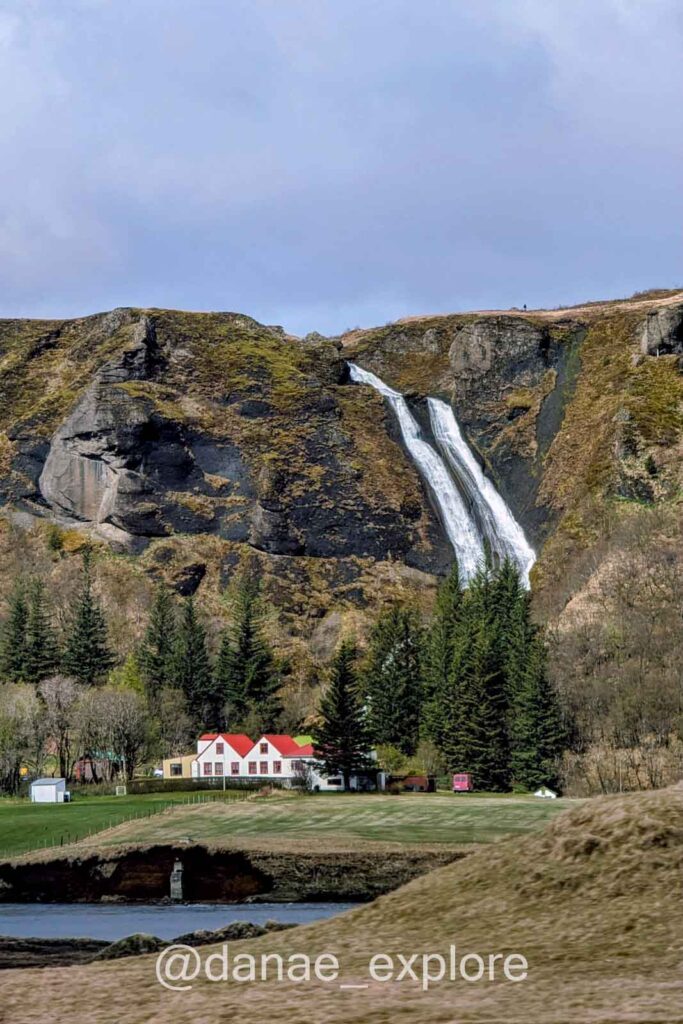
2️⃣ South coast of Iceland: Drive toward Vík í Mýrdal, stopping at Seljalandsfoss and Skógafoss Waterfalls and the Sólheimajökull Glacier; overnight at Vík Apartments, next to Hotel Vík í Mýrdal.
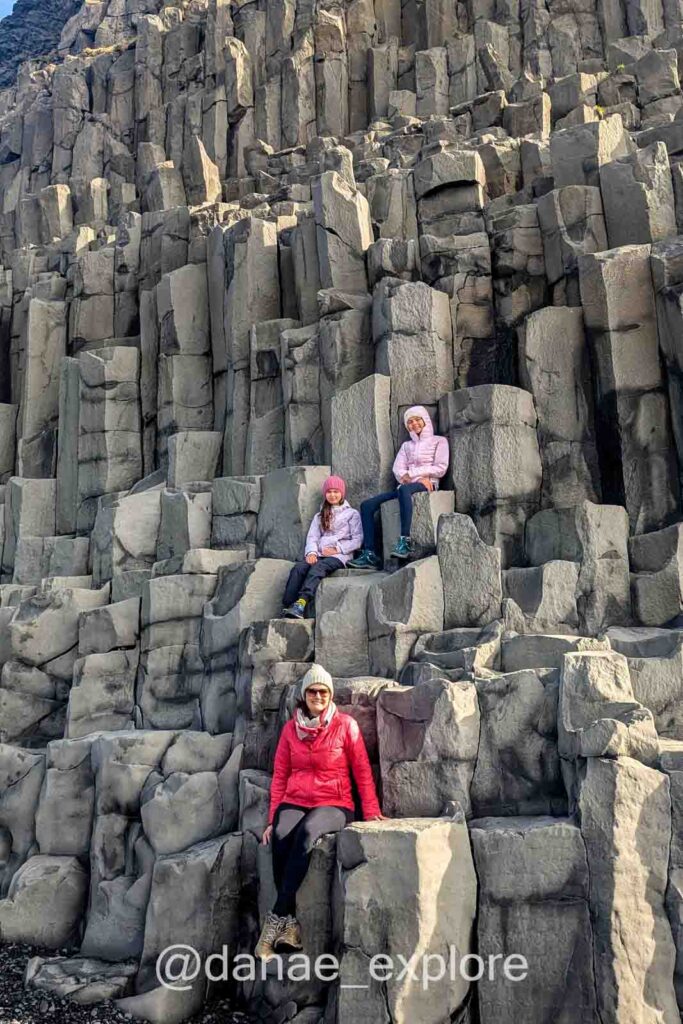
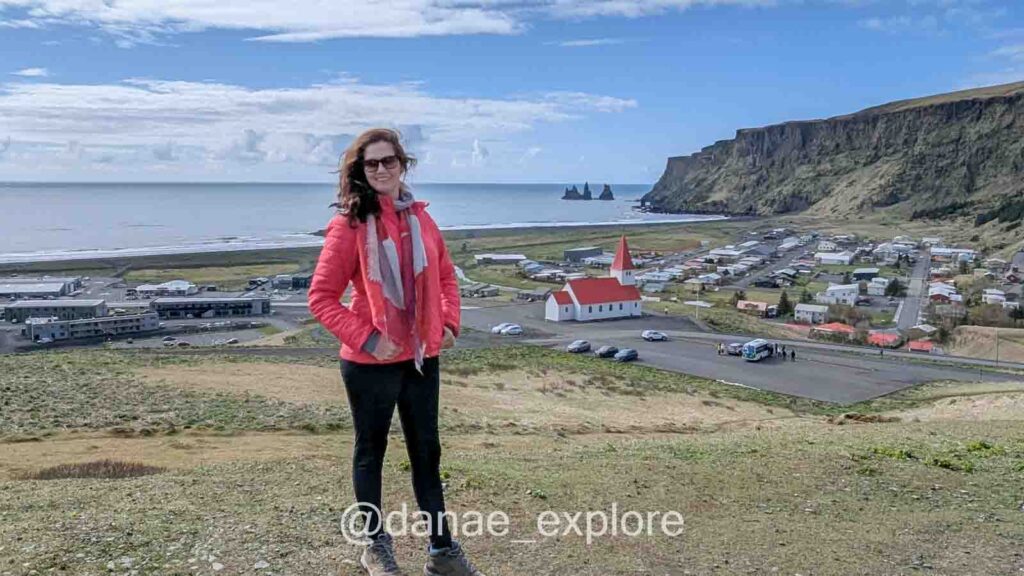
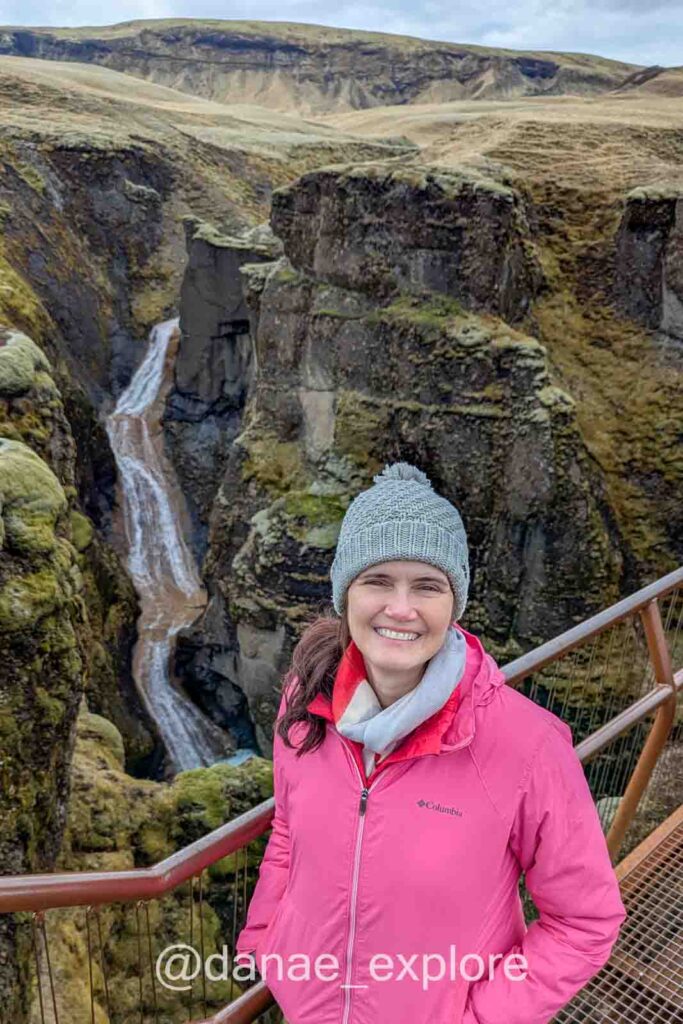
3️⃣ Vík í Mýrdal Region: Reynisfjara Beach, the viewpoint by Vík í Mýrdal Church, Fjaðrárgljúfur Canyon and Mögárfoss Waterfall, and Foss á Síðu Waterfall; overnight at Fosshotel Glacier Lagoon. Before visiting Reynisfjara, check the alerts on SafeTravel.is and follow the signs and barriers at the beach: access to the cave and the basalt columns may be closed depending on sea conditions. If you’d rather sleep before reaching Jökulsárlón, readers of this blog have picked Hotel Klaustur and Arctic Exclusive Ranch in Kirkjubæjarklaustur, about 70 km from Vík.
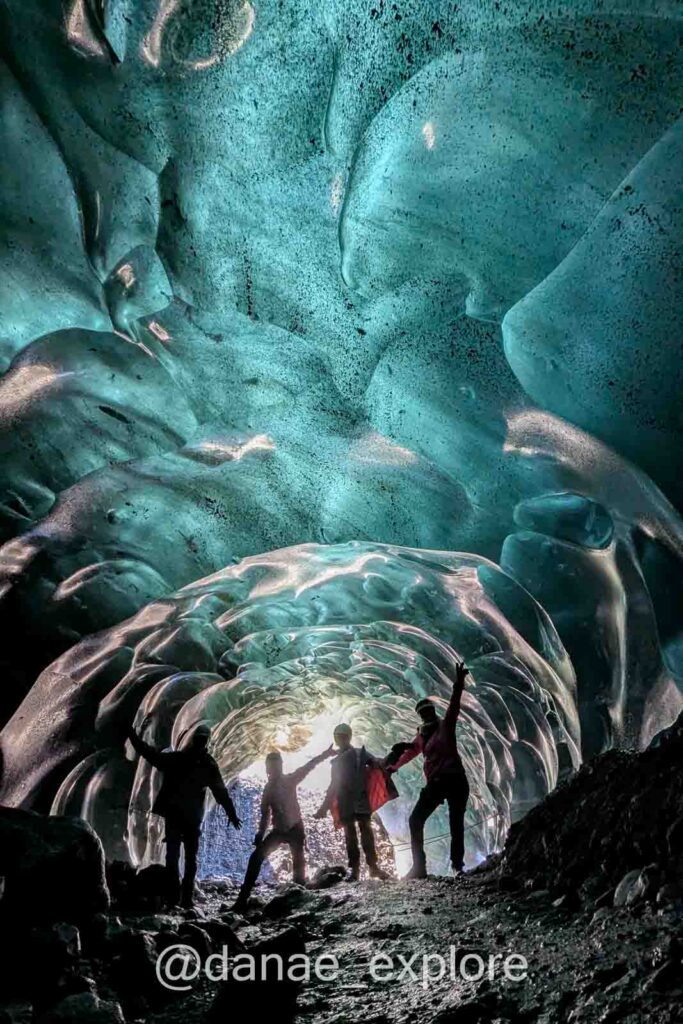
4️⃣ Vatnajökull Glacier and Ice Cave: We joined the Glacier Adventure tour, and it was amazing! (here’s another option of the same tour) Ice cave locations, shapes and access change from one season to the next, so check the tour conditions for your travel dates. Afterward, we visited Diamond Beach and Jökulsárlón Glacier Lagoon; overnight again at Fosshotel Glacier Lagoon.
5️⃣ Drive to Selfoss: Stop at any waterfalls and viewpoints you may have missed on the way east, then spend the afternoon in Selfoss; overnight at Hotel Selfoss.
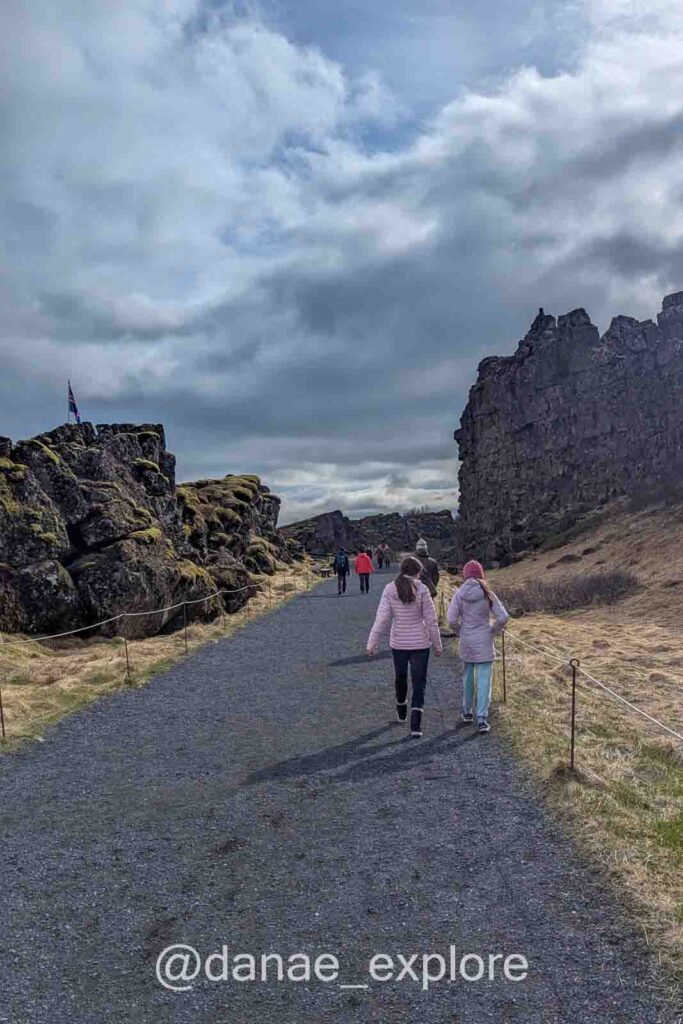
6️⃣ Golden Circle: Visit Kerið Crater, Strokkur Geyser, Gullfoss Waterfall, have lunch at Friðheimar Restaurant, and explore Þingvellir National Park (we didn’t do it, there wouldn’t have been time, but you can go snorkeling in the Silfra fissure inside the park). Then continue on to Borgarnes; overnight at Hotel Hamar.
7️⃣ Snæfellsnes Peninsula: Ytri Tunga beach, Bjarnarfoss Waterfall, Búðakirkja Church, Hellnar View Point, Snæfellsjökull National Park (Visitor Center in Malarrif), Djúpalónssandur beach, Saxhóll Crater, lunch in Ólafsvík, Kirkjufellsfoss; overnight at Hotel Snaefellsnes
8️⃣ Blue Lagoon and Reykjavik; overnight at Hotel Local 101
The next day, wake up early to return the rental car, since our flight departed at 10 a.m.
For more details about the activities and tours we did in Iceland, check out our post on what to do in Iceland.
All in all, we had seven full days and one half day in Iceland, and we really made the most of them. Even if it doesn’t sound too intense, the pace was actually pretty full-on. We drove around 1,500 km, averaging about 200 km per day! The longest stretches are day 5, from Jökulsárlón to Selfoss (292 km, about 3 hours 40 minutes at the wheel), and day 6, around the Golden Circle to Borgarnes (247 km, about 3 and a half hours not counting stops).
If you have a little more or less time, below are my suggestions for adapting the itinerary to fit seven, six, or five days, plus what we would add if we had one extra day on the island (a 9-day itinerary).
One-week Iceland itinerary
If you only have one week in Iceland, you can follow exactly the same itinerary we did by fitting Reykjavik into a single day. If your flight arrives early in the morning (ours landed at 3 p.m.), it’s very doable, especially during the summer months when the days are longer.
Blue Lagoon is just a short drive from the airport and can be visited either right after you land or before your flight home. The facilities are excellent, with great showers and changing rooms, so you can freshen up before heading to the airport. Here’s the link to the official website, I’d recommend booking your tickets in advance.
If you only have one week in Iceland but still want to spend two days in Reykjavik, check out the suggested 5-day itinerary below.
Reykjavik is lovely, but the real magic of Iceland starts once you hit the road. I personally wouldn’t hesitate to spend one less day in Reykjavik if it meant having more time to explore the rest of the country.
The nights stay the same as in our itinerary, just with one night fewer in Reykjavik.
To learn more about what to do in Iceland, we have another post here on the blog with all the attractions in detail. Click here to check it out!
6-day Iceland Itinerary
With six full days in Iceland, besides fitting Reykjavik into a single day, you’ll also have to make a difficult choice: either skip the Snæfellsnes Peninsula or leave out the Vatnajökull Glacier and ice cave tour.
If I had to choose, I’d skip the Snæfellsnes Peninsula. Not because I didn’t enjoy it — quite the opposite, it’s absolutely beautiful — but the ice cave was the highlight of our Iceland trip and one of the most impressive places I’ve ever visited.
Without Snæfellsnes, the nights at Hotel Hamar and Hotel Snaefellsnes become a single night back in Reykjavik.
5-day Iceland Itinerary
With five days in Iceland, the best option is to skip both the Vatnajökull Glacier tour and the Snæfellsnes Peninsula, keep your time in Reykjavik short, and be prepared for a lot of driving.
Here’s what the itinerary would look like:
1️⃣ Arrival at Keflavik Airport, pick up the rental car, Blue Lagoon and explore Reykjavik; overnight stay at Hotel Odinsve ou Hotel Local 101.
2️⃣ South coast of Iceland: Drive to Vík, stopping at Seljalandsfoss, Skógafoss and Sólheimajökull Glacier; overnight at Vík Apartments or Hotel Vík í Mýrdal.
3️⃣ Attractions around Vík í Mýrdal: Reynisfjara Beach, Vík í Mýrdal Church viewpoint, Fjaðrárgljúfur Canyon and Mögafoss Waterfall; overnight at Hotel Vík í Mýrdal.
4️⃣ Diamond Beach and Jökulsárlón Glacier Lagoon, then drive toward Selfoss; overnight at Hotel Selfoss. That day involves nearly 500 km of driving, so you may want to spend another night in Vík or in Hvolsvöllur, at Hotel Loa or Midgard Base Camp (we stopped there for lunch, and the place looked really nice).
5️⃣ Golden Circle: Kerið Crater, Strokkur Geyser, Gullfoss Waterfall, lunch at Friðheimar Restaurant and Þingvellir National Park; then head straight to the airport or return to Reykjavik for the night at Hotel Local 101 or Hotel Odinsve.
9-day Iceland Itinerary
With nine full days in Iceland, you can start considering driving the entire Ring Road, the highway that loops around the island and stretches for 1,322 km.
You might be thinking: if you drove more than that, couldn’t you have completed the Ring Road? Technically, yes. We drove more than 1,500 km, but that total includes several side trips and detours along the way, which means a full Ring Road itinerary can easily go beyond 2,000 km.
After spending eight days driving around Iceland, I’d say 10 days is the minimum ideal amount of time for the full Ring Road. If you also want to include the Snæfellsnes Peninsula, add another day. For the Westfjords, I’d recommend setting aside at least two extra days.
If you have nine days in Iceland but don’t want to rush through the Ring Road, I’d suggest following the same itinerary we did and adding the Höfn Peninsula. After the day on the Vatnajökull Glacier, this extra day would let you explore that eastern stretch of the country at a much more relaxed pace.
I would have loved to visit Höfn, but I quickly realized (and later confirmed) that we simply wouldn’t have enough time. The accommodation options I researched in the Höfn area were Fosshotel Vatnajökull and, for a more budget-friendly option, Apotek Guesthouse, with a great location in the village of Höfn.
Map with our complete Iceland itinerary
The map below shows our complete Iceland itinerary, covering more than 1,500 km over eight days on the road. Just save it to your Google account so you can use it later when planning your own trip to Iceland.
How to use this map: Click the menu tab in the upper left corner of the map to access different layers, including points of interest and routes. You can toggle layers on and off by checking the corresponding boxes. To see details about specific locations, click on the icons on the map.
To save this map to your Google Maps account, just click the star icon next to the map title. To access it later on your phone or computer, open Google Maps, tap the menu button, go to “Your Places”, select “Maps”, and you’ll find this map saved there.
How to get to Iceland
Sitting in the middle of the Atlantic Ocean, Iceland is surprisingly well connected to both Europe and North America.
If you’re lucky enough to live near an airport with direct flights to Reykjavik, even better. Otherwise, you’ll need a connecting flight, usually through either the United States or Europe. The main hubs — and the ones that usually offer the best flight options and prices — are New York and Boston in the US, and Frankfurt, London, Amsterdam, and Zurich in Europe.
In our case, we flew from São Paulo to Zurich with Swiss and then continued to Reykjavik on an Edelweiss flight. On the way back, we connected through Frankfurt, with both flights operated by Lufthansa.
You can also reach Iceland by ferry. Smyril Line operates routes connecting Seyðisfjörður, in eastern Iceland, to Hirtshals in Denmark, with a stop in the Faroe Islands. The Faroe Islands are still relatively under the radar, but they’re definitely high on my travel list.
Update, November 2026: from Keflavík Airport to central Reykjavik, the Flybus takes about 45 minutes and costs ISK 3,999 per adult (around USD 30); public bus 55 is cheaper but runs less often. Iceland is part of the Schengen Area: since April 2026, entry includes biometric registration (EES, with a photo and fingerprints on your first visit). ETIAS, the online travel authorization that travelers from visa-exempt countries such as the US, Canada, the UK and Brazil will need, has not started yet and has no start date.
When to go to Iceland
We visited Iceland in the middle of autumn and had beautiful sunny days with cool temperatures. Personally, I think autumn and spring are the best seasons to visit Iceland: the weather is pleasant, there are fewer tourists, and the landscapes are just as spectacular.
We didn’t see snow, but we still got to hike on Vatnajökull Glacier, visit an ice cave, and we definitely needed our hats, scarves, and gloves.
In summer, temperatures are mild, and the biggest highlight is the endless daylight. The sun barely sets, and the days feel incredibly long. I say this from experience: we’ve visited other high-latitude destinations in summer, including Norway and Alaska, and the days really do feel endless. It may not sound like a big deal, but those long summer days give you extra energy to keep exploring and always squeeze in one more beautiful stop along the way.
Winter is a completely different experience. The days are short, and the cold can be intense. On the other hand, that’s the best time to see the Northern Lights, not to mention the snowy landscapes, which always feel special for those of us from warmer countries.
Update, November 2026: the natural ice caves in Vatnajökull only open in winter, always with a guide: the season usually runs from October or November to March or April, depending on the operator and that year’s ice. We went on the last day of Glacier Adventure’s season, April 29.
How to get around Iceland
There’s no doubt about it: the best way to explore Iceland is by renting a car. Iceland is the kind of country that’s best experienced at your own pace, driving through the landscape without rushing, stopping whenever you feel like it, discovering random waterfalls along the way, pulling over for a viewpoint, or simply watching the sunset. Iceland was made for road trips.
Most travelers arrive in Iceland by plane through Keflavík Airport, about 50 km from Reykjavik. So pick up your rental car at the airport and start your trip right away, whether that means stopping at Blue Lagoon first or heading straight to Reykjavik or the Golden Circle.
To rent a car, I always use RentCars, where I usually find the best options, and with the DANAE promo code you still get an additional 5% off. Shall we go?
When renting a car, I usually use RentCars, since it tends to offer the best prices. After checking the available options there, I compare them with the rates on the rental companies’ own websites, but most of the time RentCars still ends up being the best deal.
That said, if you really don’t want to — or can’t — rent a car, it is possible to plan a trip around Iceland using tours departing from Reykjavik. You could combine different day trips, such as one for the South Coast, another for the Golden circle, one for the Snaefellsnes Peninsula, plus Blue Lagoon; or even choose a multi-day tour. Still, to be completely honest, I personally find this style of travel tiring, restrictive, and expensive. If you can, rent a car.
Is it better to rent a car or a motorhome in Iceland?
For this trip, we seriously considered renting a motorhome, which is extremely popular in Iceland. We had an amazing experience traveling by motorhome in Alaska, and I highly recommend it!
A motorhome gives you the flexibility to adjust your plans as you go. Want to stay longer somewhere? Easy. Not enjoying a place as much as expected? Just move on to the next stop.
Another huge advantage of traveling by motorhome — especially in Iceland — is being able to cook your own meals. Food in Iceland is incredibly expensive. Seriously, meal prices can be shocking: an average lunch can easily cost around USD 50 per person.
While planning this trip, most of the options I found were small campervans without bathrooms, which wouldn’t have worked well for us traveling with two teenagers. There are companies renting larger motorhomes with bathrooms, similar to the one we used in Alaska, but even after a lot of research and negotiation, we couldn’t find a setup that felt worth the cost.
On top of that, the pickup and return times didn’t work with our flights. We would have had to collect the motorhome the day after arriving and return it the day before leaving, and I didn’t want to lose those extra days. In the end, we decided to stick with a regular rental car.
If you enjoy RV travel, or have always wanted to try it, Iceland is one of the best places in the world for it.
.
What it’s like to drive in Iceland
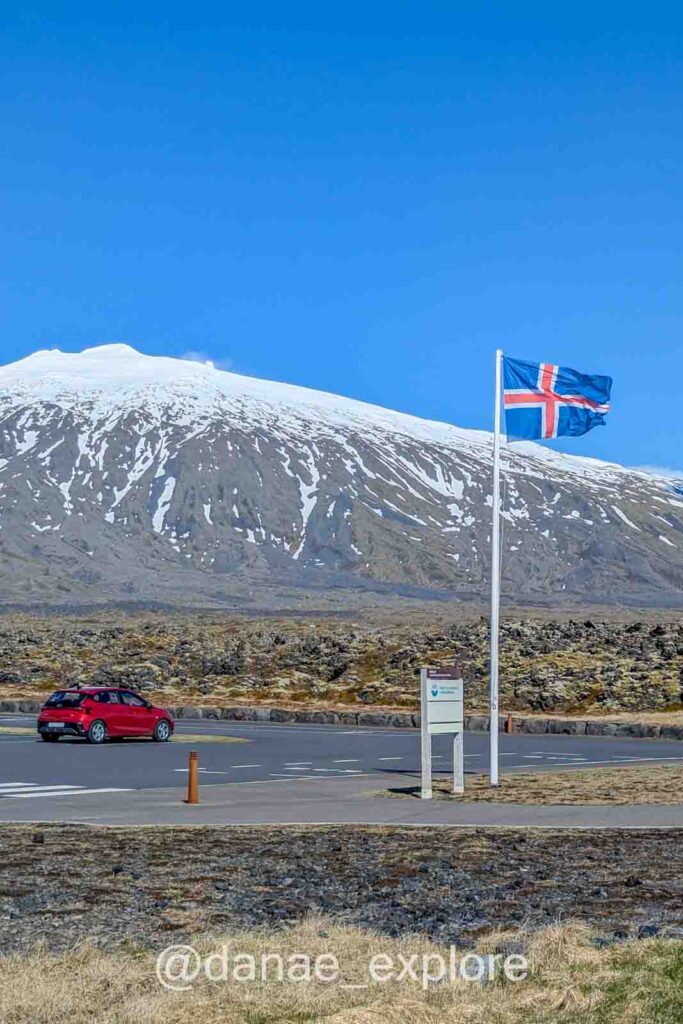
Driving in Iceland is surprisingly easy. Most roads have just one lane in each direction, but they’re in excellent condition. Road signs are clear, usually easy to understand, and traffic is minimal.
We visited during autumn, which is considered shoulder season, and there were moments when we drove for long stretches without seeing another car.
We barely saw any police or speed checks. Parking is paid in many parts of Reykjavik and at several major tourist attractions, including Seljalandsfoss, Skógafoss, Reynisfjara, and Kirkjufell. Download the Parka app, register your credit card and license plate, and you’ll be able to handle almost all parking payments directly through the app.
The biggest thing to pay attention to when driving in Iceland is planning ahead: fill up the tank whenever you can, estimate driving times carefully, plan your meal stops, and keep snacks and essentials in the car, especially if you’re traveling by motorhome.
In winter, planning becomes even more important. Daylight hours are much shorter, smaller roads may close, and snowstorms can happen unexpectedly, which means driving conditions can change very quickly.
If you’re renting a car during winter, make sure it comes with snow tires and chains, and make sure you know how to use them.
Update, November 2026: since January 2026, every car pays a per-kilometer road fee (ISK 6.95 per km); rental companies usually charge it as a daily amount in the contract. If you continue to Höfn, a new section of the Ring Road has had a toll since September 2026 (ISK 1,500 per crossing, paid online by license plate at spolur.is). Parking at the main sights usually costs ISK 1,000 (about USD 8). F-roads in the Highlands only open in summer (usually from mid-June to September) and legally require a 4×4. You won’t need one for this itinerary: we rented an SUV with full insurance.
What to pack for Iceland
Iceland is a destination built around the outdoors. Expect cold temperatures, wind, rain, and sometimes snow — but also the occasional beautiful sunny day with surprisingly mild weather. The key is packing comfortable layers suited for constantly changing conditions.
Warm days in Iceland are rare. Even in summer, temperatures usually stay cool, although you may get a surprisingly warm day here and there.
Wind is a constant in Iceland, no matter the season, and it can make temperatures feel much colder than they actually are. Even on relatively mild days, the weather can change very quickly.
If you’re visiting during winter, proper cold-weather clothing is essential.
Even during the shoulder seasons, temperatures remain low. We visited in the middle of autumn (late April and early May) and had beautiful, stable weather with very little wind, but it was still very cold, with temperatures ranging from 0°C to 10°C.
Checklist – what to pack for a trip to Iceland
For one week in Iceland, this is what I packed in my carry-on suitcase (I always travel with carry-on only):
– 1 pair of thermal leggings (to wear on their own or under hiking pants)
– 1 pair of hiking pants suitable for cold weather (mine are from Decathlon)
– 5 moisture-wicking T-shirts, which are my favorite for this kind of trip
– 1 fleece jacket (mine is from Columbia)
– 1 insulated winter jacket (mine is a Columbia jacket with Omni-Heat technology, designed for low temperatures)
– 1 waterproof jacket that also works as a windbreaker
– 2 pairs of thick wool socks (to wear over regular socks)
– 7 pairs of regular socks
– scarf, beanie, and gloves
– underwear for one week
– 1 set of pajamas
– 1 swimsuit and a quick-drying towel (essential for hot springs and thermal pools)
– 1 pair of flip-flops
– 1 pair of waterproof hiking shoes
– toiletries in containers up to 100 ml
Honestly, this is pretty much my standard packing list for any cold-weather trip.
I wear the bulkiest items on the flight (except for the thermal pants), and everything else fits into my carry-on suitcase. For longer trips, I simply pack a few extra T-shirts, leggings, socks, and underwear.
For more tips, check out my post about how to travel with only a carry-on.
Iceland itinerary FAQ
How many days do you need in Iceland?
With eight days, like us, you can cover the south, the southeast as far as Jökulsárlón and a day on Snæfellsnes, at a brisk pace. With five, stick to the south coast and the Golden Circle. To drive all the way around on the Ring Road, I’d plan at least ten.
Can you drive around Iceland in a week?
You can, but it will be absurdly rushed: the Ring Road alone is over 1,300 km, and with detours the total easily passes 2,000. With a week, I’d rather take the south and southeast slowly, like our itinerary.
Do you need a 4×4 in Iceland?
Not for this itinerary: we rented an SUV with full insurance and drove on paved roads in spring. The Highland F-roads only open in summer and legally require a 4×4. In winter, check the tires with your rental company and look up road conditions on road.is before setting off.
How much does it cost to drive in Iceland?
Since 2026, every car pays a per-kilometer road fee, which rental companies charge as a daily amount. Parking at the most famous sights usually costs ISK 1,000, paid through the Parka app, and if you go as far as Höfn there’s an ISK 1,500 toll on the new bridge. Fuel and food are expensive too.
When is the best time for an Iceland road trip?
We went in late April and loved it: cold but no snow, long days and still within the ice cave season. In summer the days barely end; in winter the days are short, but that’s when you have the best chance of seeing the northern lights and the ice caves are open.
Plan your trip
The websites I always use to plan my trips. Booking through these links costs you nothing extra and helps keep the blog going.